





The Great Monsoon Escape
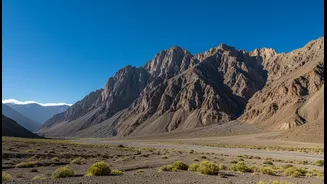
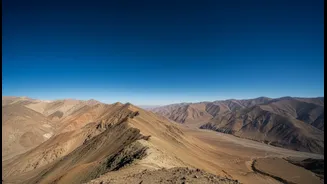
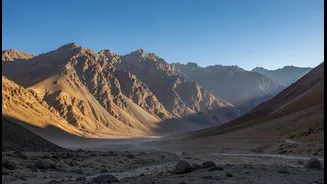
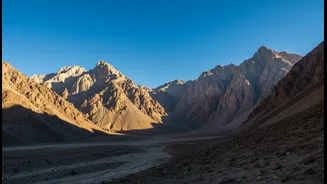
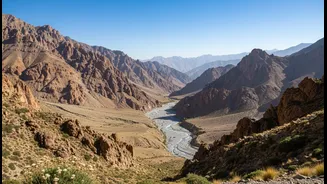
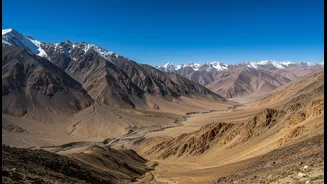
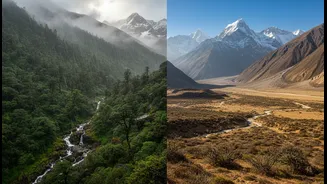
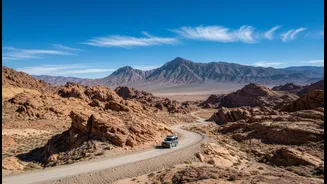
While destinations like Goa, Kerala, and the Western Ghats are experiencing peak monsoon, Ladakh and Spiti Valley remain remarkably dry. This is due to the rain-shadow effect, a geographical phenomenon where the towering Himalayas block rain-bearing clouds
from the south. The result is a cold desert climate with minimal rainfall, making July one of the best months to explore these regions. Instead of grey skies and downpours, travellers are greeted by brilliant sunshine and pleasant daytime temperatures, creating ideal conditions for road trips and sightseeing.
Ladakh: Land of High Passes and Blue Lakes
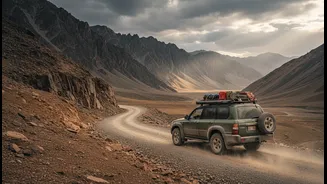
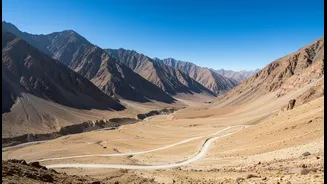
In July, Ladakh is in its prime. Daytime temperatures in Leh hover around a comfortable 21-25°C, though nights can drop to a chilly 7-10°C. This is the season when all major roads and passes within Ladakh are typically open, offering access to its most iconic sights. The Manali-Leh highway, a legendary route for road-trippers, is fully operational, with reports from mid-July 2026 confirming it is in its best condition of the season. This opens up the possibility of visiting the turquoise expanse of Pangong Tso, exploring the sand dunes of the Nubra Valley, and visiting ancient monasteries perched on stark mountainsides. While the occasional shower is possible at high altitudes, it rarely disrupts travel plans. However, it's crucial to pack in layers, including thermals, a fleece, and a windproof jacket, as the weather can change quickly.
Spiti: A World Within a World
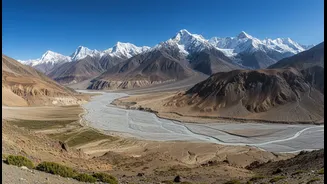
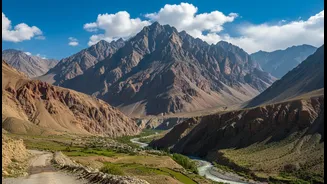
Spiti Valley offers a similar dry sanctuary, with its own unique, rugged charm. Daytime temperatures in Kaza, the main town, are pleasant, ranging from 20-25°C. Like Ladakh, Spiti sees very little rain in July, making it an ideal time to visit landmarks like the Key Monastery, Dhankar Gompa, and the picturesque villages of Komic and Langza. July is typically when the challenging Manali-Kaza route via Kunzum Pass is reliably open, allowing for a full circuit trip. The alternative route from Shimla via Kinnaur is also open, though travellers should expect some delays due to ongoing road repairs from previous monsoon damage. A trip to the stunning Chandratal Lake, the 'Moon Lake', is a highlight, but be prepared for freezing temperatures at night, which can drop close to 0°C.
Know Before You Go: Essential Tips
Travelling to these high-altitude regions requires some planning. Acclimatisation is critical to avoid altitude sickness; spend at least one full day resting in Leh or Kaza before ascending further. The sun's UV rays are incredibly strong at this altitude, so sunscreen, sunglasses, and a hat are non-negotiable. Road conditions, while generally good in July, can be unpredictable. The approach roads via Manali can be affected by monsoon-triggered landslides on the lower stretches before you enter the rain shadow. Always check the latest road status a few days before your trip. Carry sufficient cash, as ATMs are scarce and network connectivity for digital payments is unreliable in remote areas.