





The 'One Less Decision' Illusion
At its core, a subscription is designed to reduce your cognitive load. You make one decision—to get daily essentials delivered—and eliminate dozens of future choices and trips to the store. This is a powerful psychological relief. In a world filled with
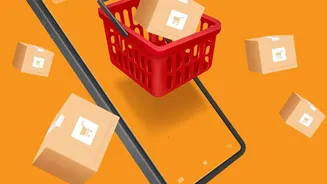
endless choices, automating a routine purchase feels like a smart life hack. However, this mental energy doesn't just disappear. Instead, it gets reallocated. By taking the main decision off your plate, these apps free up your mind to wander through their other offerings. You opened the app for a 'planned' purchase, but now you have the time and mental bandwidth to browse, discover, and ultimately, make unplanned additions to your cart.
Frictionless Shopping and Instant Gratification
Quick-commerce and subscription platforms are masters of the frictionless experience. Your address is saved, your payment details are stored, and checkout is often just a single tap. This design masterfully removes the 'pain of paying'. When you don't have to pull out your wallet or type in a card number, the transaction feels less real, making it easier to spend. Compounding this is the promise of instant gratification. Knowing that your impulse buy—be it a cold drink or a late-night snack—will arrive in minutes creates a powerful dopamine loop. The near-immediate reward reinforces the impulsive behaviour, making you more likely to do it again.
The 'Might As Well' Mentality
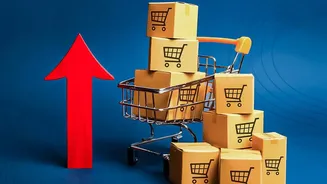
Once a delivery is already scheduled, a powerful thought takes over: 'I might as well add this'. The delivery fee is already covered, and the driver is coming anyway. This psychological framing makes additional purchases feel incredibly low-stakes. Each item added doesn't feel like a new shopping trip but a tiny, inconsequential addition to an existing one. Platforms encourage this by suggesting items based on your past orders or what's popular, making it even easier to find something tempting. This habit of 'micro-transactions' can quickly lead to a significant increase in overall spending, as many small, seemingly harmless additions accumulate over the month.
Gamification and Manufactured Urgency
Many e-commerce apps, including those with subscription models, use gamification to keep you engaged. Features like 'spin-the-wheel' for discounts, reward points for purchases, and loyalty tiers create a sense of achievement and make shopping feel like a game. Push notifications about flash sales or limited-time offers create a sense of urgency, or fear of missing out (FOMO). These tactics are not just about fun; they are designed to trigger emotional responses that can bypass rational decision-making. You might open the app to check on your subscription and find yourself buying something you never intended to, simply because a notification told you a special offer was about to expire.
Breaking the Habit Loop
Recognising these patterns is the first step towards more mindful spending. While these services offer undeniable convenience, their very design capitalises on psychological triggers that promote impulse buys. One effective strategy is to introduce a small amount of 'friction' back into the process. Instead of immediately adding an item to your cart, add it to a separate 'wishlist' or a note on your phone. Wait an hour or even a day before deciding if you truly need it. This simple pause can be enough to break the cycle of instant gratification and allow your more rational decision-making process to kick in. It helps you distinguish between a genuine need and a fleeting, app-induced want.