







More Than Just a Quiz
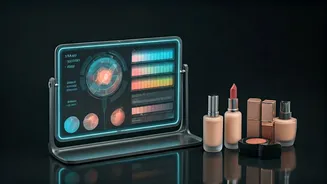
Personalisation in beauty has evolved far beyond simple online quizzes. Today, it’s a sophisticated ecosystem powered by artificial intelligence (AI) and machine learning (ML). When you upload a selfie for a skin analysis or use a virtual try-on tool
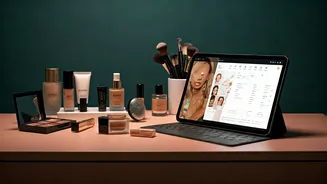
for makeup, you're engaging with complex algorithms. These systems analyse dozens of data points—from skin type and tone to specific concerns like pigmentation or hydration levels—to offer hyper-personalised recommendations. For instance, platforms like Haut.AI can assess skin health with clinical precision, while major brands like L'Oréal and Estée Lauder are investing heavily in AI to predict your needs and even visualise how products will affect your skin over time. This shift from generic advice to data-driven guidance aims to eliminate the frustrating trial-and-error process that many shoppers face.
The Data Behind the Delight
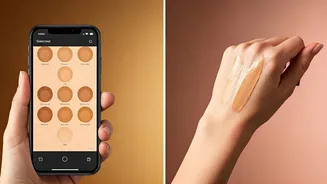
So, how does it all work? Beauty brands collect and analyse vast amounts of customer data to fuel these personalised experiences. This includes not only quiz answers and selfies but also your purchase history, browsing behaviour, and even real-time contextual information like your local weather. Companies that excel at this see significant rewards, with some reporting revenue growth of 10-40% higher than competitors using generic marketing. Beauty giants like Sephora use predictive models to remind you when you might be running out of a product and have built extensive systems to match products to over 100 different skin tones. Indian brand Lakme offers a similar experience with its Makeup Pro App, allowing users to experiment with hundreds of shades through augmented reality (AR). The goal is to create a seamless journey where every interaction, from a social media ad to an email offer, feels relevant to you.
Why We Love a Curated Cart
The appeal of personalisation is rooted in basic human psychology: we want to feel seen and understood. In a market saturated with choices, a curated selection of products feels like a solution tailored just for us, cutting through the noise. Studies show that the vast majority of consumers—as high as 80-90%—are more likely to shop with brands that provide these relevant, personalised experiences. It transforms the shopping journey from a chore into a form of self-care, where technology helps you make confident, informed decisions. Brands that successfully create this connection foster significant customer loyalty, as shoppers are more likely to return to a brand that “gets” them. This emotional connection is powerful, making personalisation not just a trend, but a fundamental shift in consumer expectations.
The Algorithm Isn't Always Right
While the benefits are clear, the rise of personalisation also brings challenges, most notably around data privacy. To offer truly bespoke recommendations, companies need access to sensitive information, including facial scans and detailed skin concerns, which may be classified as biometric or health data. This raises important questions about how this data is stored, used, and protected. Regulatory frameworks like the GDPR in Europe have set strict standards, and consumers are becoming more aware of the value of their personal information. A data breach can severely damage a brand's reputation and erode the very trust that personalisation aims to build. Furthermore, there's the risk that algorithms, trained on specific datasets, may not be equally effective for all skin tones and types, potentially reinforcing biases if not carefully managed.
How to Be a Smarter Shopper
This new era of beauty shopping empowers you, the consumer, but it pays to be savvy. First, be mindful of the data you share. Understand what a brand is asking for and why. Use virtual try-on tools and skin analysers, but be aware of the permissions you're granting. Second, don't take every recommendation as gospel. While AI is powerful, it's still a tool. Use personalised picks as a starting point, but trust your own judgement and experience. Read reviews from multiple sources, as AI models themselves often rely on popular editorial sites, retailers like Sephora, and forums like Reddit to determine which products to recommend. Finally, look for brands that are transparent about their data practices and committed to inclusivity, ensuring their technology serves a diverse customer base.