


The Great Indian Lunchbox Revival
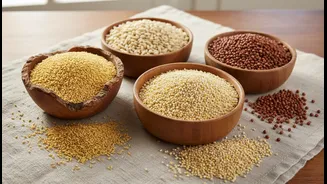
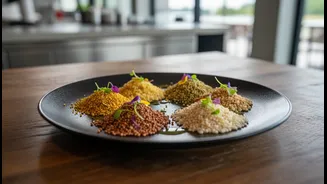
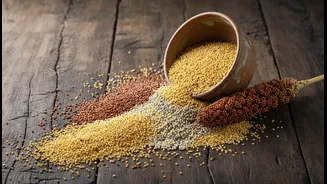
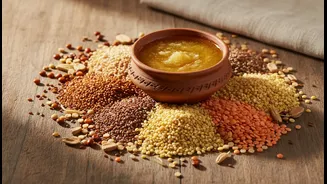
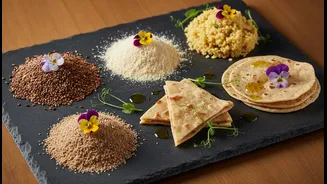
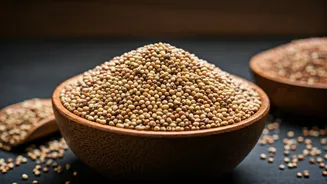
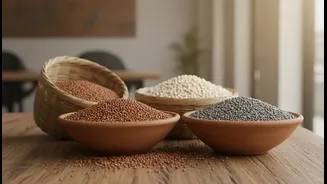
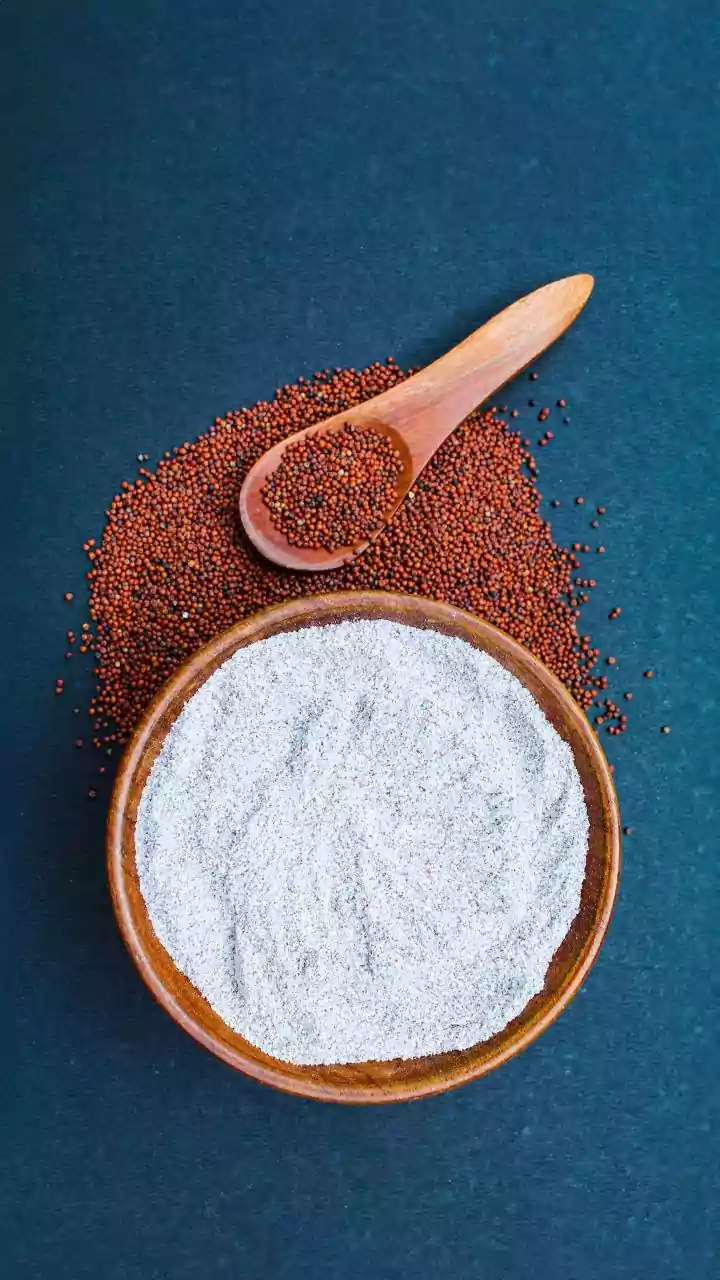
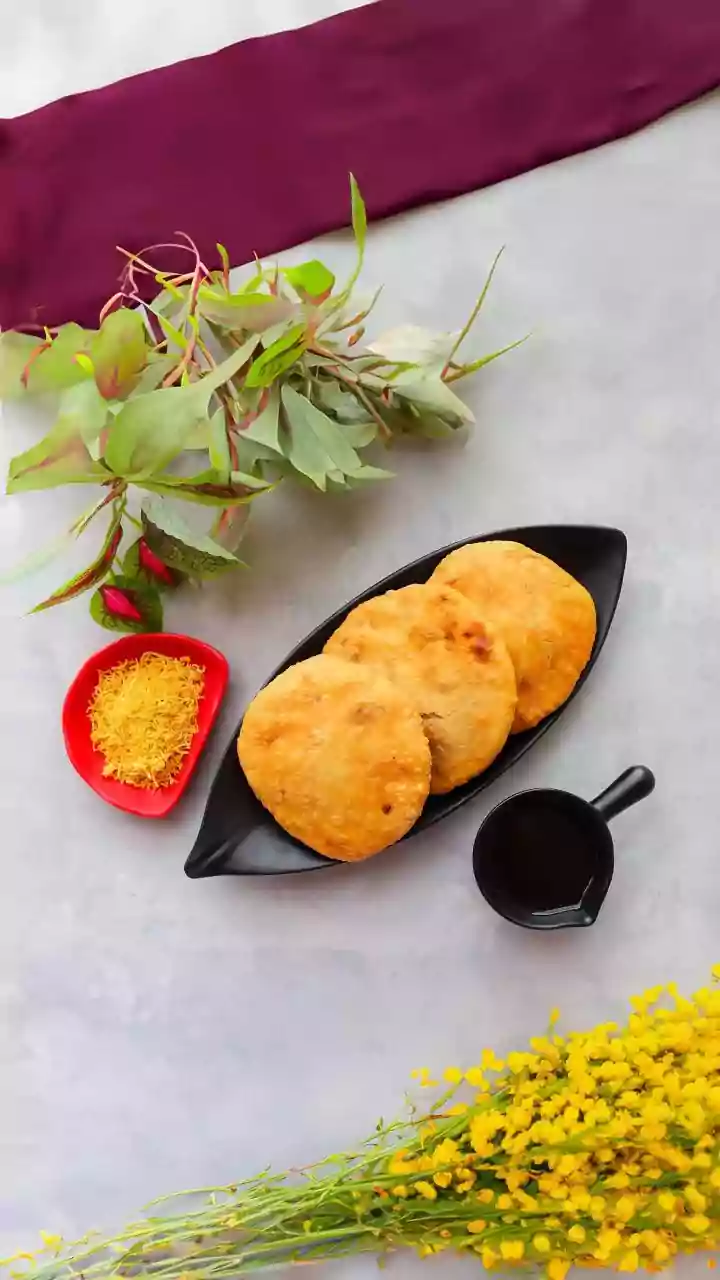
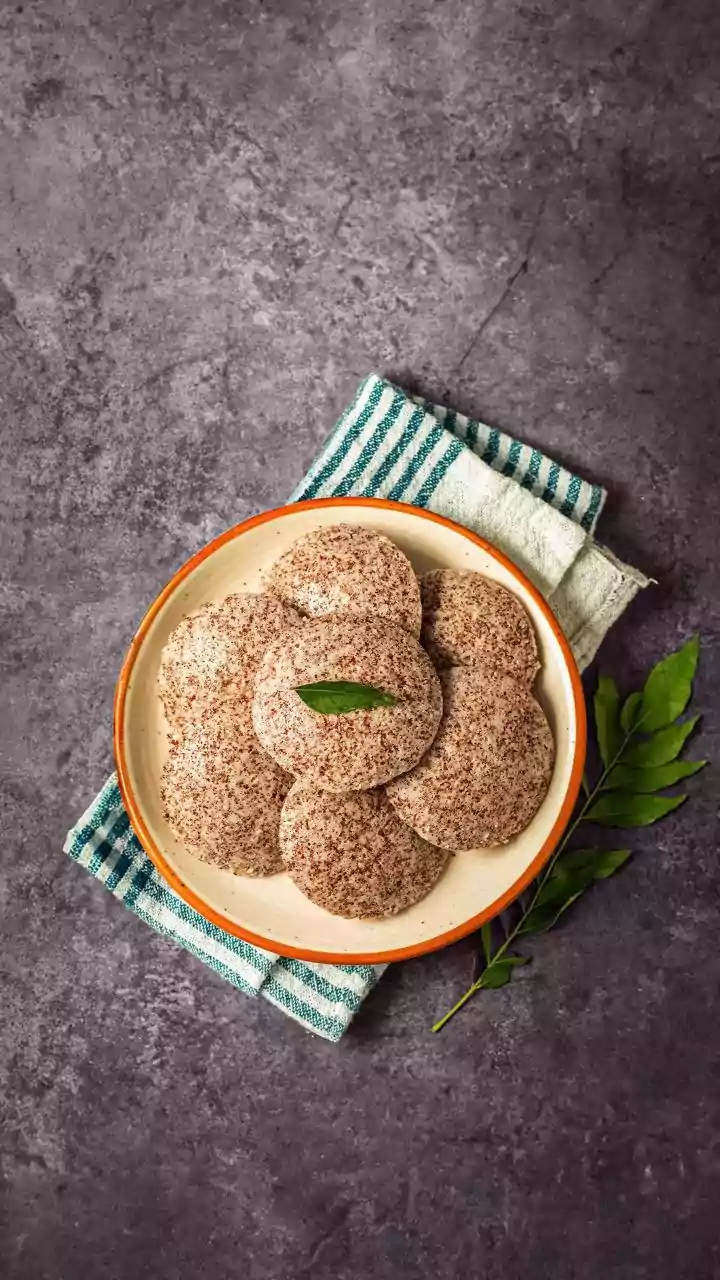
Step into any modern office pantry, and you might see something surprising tucked between the usual sandwiches and takeaway containers. You'll find bhakris made from jowar (sorghum), deep red ragi (finger millet) dosas, or fluffy bajra (pearl millet) rotis.
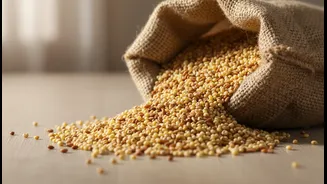
These are not new, trendy superfoods imported from afar; they are ancient Indian staples making a powerful comeback. For decades, these grains were often dismissed as rural or old-fashioned, overshadowed by the dominance of wheat and rice. But now, a new generation of urban professionals, many of whom are migrants in their own country, are rediscovering these grains. This revival isn't just about health; it's a conscious choice to reconnect with a culinary heritage that is both deeply personal and widely shared across India.
A Shared Taste of Childhood
The power of these grains lies in their ability to evoke powerful memories. For many, the nutty aroma of a jowar roti or the earthy taste of a ragi mudde is a direct link to childhood, to a grandmother’s kitchen, or to summer holidays in the village. In India, where culinary traditions are often passed down through generations orally and intuitively, food is memory. A single dish can tell a story of a specific place, a season, or a family. In a diverse office team with members from Maharashtra, Karnataka, Rajasthan, and Tamil Nadu, the specific preparations may differ, but the underlying grain is a common thread. The shared experience of eating these foods as children creates an instant, unspoken bond that transcends regional and linguistic differences.
More Than Just a Meal
When a colleague opens a container of bajra khichdi, it becomes more than just lunch; it becomes a conversation starter. Questions like “Oh, my mother makes it like that too!” or “How did you prepare this?” break down the formal barriers of the workplace. Sharing food is a fundamental act of community in Indian culture. It fosters dialogue, builds trust, and flattens hierarchies in a way few corporate team-building exercises can. In these moments, colleagues cease to be just their job titles; they become individuals with stories and a shared heritage. This communal experience around food can create a more collaborative and empathetic work environment, turning a group of employees into a genuine team.
When Tradition Meets Modern Wellness
This nostalgic trend is powerfully amplified by the modern wellness movement. Millets like ragi, jowar, and bajra are nutritional powerhouses. They are naturally gluten-free, rich in fibre, packed with essential minerals like calcium and iron, and have a low glycemic index, which helps maintain stable energy levels through long workdays. For the health-conscious urban professional navigating a sedentary desk job, these grains offer a perfect blend of tradition and scientifically-backed health benefits. This alignment makes embracing heritage foods feel not like a step back, but a smart, progressive choice for a healthier lifestyle. The fact that these crops are also drought-resistant and environmentally sustainable adds another layer of appeal for the conscious consumer.
From Cubicles to a Community Table
Ultimately, the resurgence of traditional grains in office lunchboxes is a microcosm of a larger story unfolding in modern India. It reflects a society that is looking to its roots to find solutions for the future. As diverse individuals come together in the melting pots of metropolitan cities, they seek anchors of identity and community. Food, in its most elemental form, provides that anchor. The humble bhakri or millet dosa does more than just satisfy hunger; it re-establishes a connection to home, to family, and to a collective past. It proves that sometimes, the most effective way to build a forward-looking, unified team is to gather around a table and share a taste of something timeless.