






The Gold Standard: Whole Fruit
When you eat a piece of whole fruit, like an apple or a pear, you're consuming more than just its natural sugars (fructose). You're also getting a full package of vitamins, minerals, antioxidants, and, most importantly, dietary fibre. The fibre is present
in the pulp, skin, and cellular structure of the fruit. This fibrous matrix is a game-changer for how your body handles sugar. It acts like a natural brake, slowing down digestion and the absorption of fructose into your bloodstream. This prevents the sharp spikes in blood sugar and insulin that are associated with other sweet foods. Furthermore, the act of chewing and the bulk from the fibre help you feel full and satisfied, which can prevent overeating. This combination of slow sugar release and increased satiety makes whole fruit the undisputed champion for nutritional value.
The Middle Ground: Fresh Fruit Juice
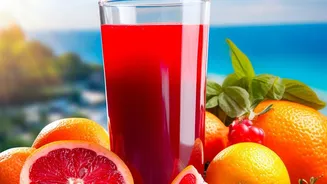
Juicing a fruit fundamentally changes its nutritional profile. The process extracts the liquid and leaves behind the pulp and skin, which contain the vast majority of the dietary fibre. While the juice still contains many of the vitamins and minerals, it is now a concentrated source of 'free sugars'. Without the fibre to slow things down, this liquid sugar is absorbed by your body almost immediately, causing a rapid increase in blood sugar levels, much like a sugary soda would. Think about how many oranges it takes to make one glass of juice — you might drink the sugar of four or five oranges in a minute, whereas you'd be unlikely to eat that many in one sitting. This concentrated dose of fructose without the balancing effect of fibre places more stress on your liver and pancreas. So, while 100% fresh fruit juice is better than a drink with added corn syrup, it should be considered a treat rather than a health drink.
The Red Flag: Drinks with Added Sugar
This category includes not just fruit 'drinks' or 'cocktails' that are only partially juice, but also any 100% juice to which sugar has been added. These added sugars—often in the form of high-fructose corn syrup, cane juice, or other sweeteners—provide what are known as 'empty calories'. They offer no nutritional benefits like vitamins or minerals. The World Health Organization classifies the natural sugars in 100% fruit juice and the sugars added to beverages as 'free sugars', recommending we limit their intake. Regularly consuming drinks with added sugar is linked to a higher risk of weight gain, Type 2 diabetes, and heart disease. Because they are in liquid form and lack fibre, these sugars are absorbed extremely quickly, contributing to metabolic strain. It's always best to read labels carefully and avoid beverages where sugar is listed as an added ingredient.
Why Fibre Is the Game-Changer
The critical difference between eating an apple and drinking its juice comes down to fibre. Dietary fibre is indigestible by our bodies but plays a crucial role in health. Soluble fibre, found in fruits like apples and oranges, forms a gel-like substance in your gut. This gel slows down gastric emptying, meaning the sugar from the fruit is released into your bloodstream much more gradually. This helps maintain stable blood sugar levels and improves insulin sensitivity. Fibre also promotes a feeling of fullness, which aids in weight management. Beyond that, fibre is essential for digestive health and feeds the beneficial bacteria in your gut. When you juice a fruit, you lose nearly all of this vital component, turning a nutritious, slow-release food into a fast-acting sugar delivery system.
Making the Healthiest Choice
The hierarchy is clear. Whole fruit is always the best option, providing a balanced source of nutrients and fibre that supports overall health. When you're looking for a convenient way to get your fruit intake, a smoothie made in a blender is a better choice than juice, as blending retains most of the fruit's fibre, even if it's broken down. If you do choose to drink juice, opt for 100% fresh-pressed juice with no added sugars and consume it in small quantities—think of it as a small part of a balanced diet, not a replacement for whole fruit. Always be wary of 'fruit drinks', 'nectars', or 'cocktails', as these almost always contain added sugars and very little real fruit. By prioritizing whole foods, you give your body the tools it needs to manage sugar effectively and reap all the benefits fruit has to offer.