





The Reality of Monsoon Mountain Travel
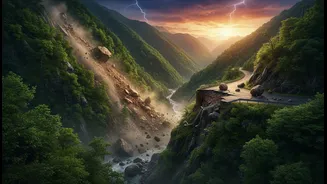
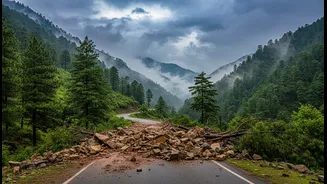
Driving in the mountains is an adventure, but the monsoon season adds a layer of serious risk. Heavy rainfall saturates the soil on steep slopes, leading to landslides and flash floods that can block major highways for hours or even days. In early July
2026, heavy monsoon rains have already caused significant disruptions across India’s Himalayan states. In Uttarakhand, vital pilgrimage routes to Badrinath and Kedarnath have faced temporary closures due to falling debris and landslides. Similarly, dozens of roads in Himachal Pradesh, including key routes in Kullu and Kinnaur districts, have been blocked, leaving travelers stranded. Even the iconic Manali-Leh highway, while a bucket-list journey, is not immune, with flash floods capable of shutting down sections without warning. These are not rare occurrences; they are a predictable feature of mountain travel this time of year, making a ‘Plan B’ not just a suggestion, but a necessity.
Your Pre-Trip Planning Checklist
A safe mountain journey begins long before you turn the ignition key. The first step is to thoroughly research your primary route and potential alternates. Check official sources for the latest advisories. The India Meteorological Department (IMD) regularly issues weather warnings, such as orange or yellow alerts, for districts prone to heavy rainfall. State police traffic pages and disaster management authorities often post real-time updates on road closures. Before leaving, give your vehicle a comprehensive check. Ensure your tires have adequate tread, your brakes are in perfect condition, and your wipers can handle a downpour. Pack an emergency kit containing extra food, water, a first-aid box, a powerful torch, a fully charged power bank, and warm clothing. Getting stuck is an inconvenience; getting stuck unprepared can be dangerous.
Mapping Your Alternatives
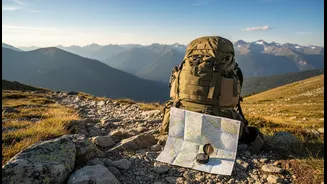
Don’t rely solely on a single GPS route. Popular navigation apps are great for traffic, but they may not have the latest information on a landslide in a remote area and can sometimes suggest unsafe “shortcuts.” Before your trip, use a combination of digital maps and local knowledge. Download offline maps for your entire planned area, as mobile connectivity is often patchy in the mountains. Identify major towns or junctions along your route and see if there are other state highways or district roads connecting them. These will be your backup options. When you’re in the region, talk to local taxi drivers, hotel staff, or shopkeepers. They possess invaluable, up-to-the-minute knowledge about which roads are safe and which are best avoided. They’ll know which small bridge is prone to flooding or which stretch is notorious for rockfalls.
On-the-Road Smarts and Safe Driving
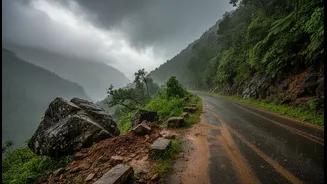
Once you are on your way, stay vigilant. Driving in the rain, especially on winding mountain roads, demands your full attention. Reduce your speed significantly, as wet roads increase braking distances. Maintain a greater distance from the vehicle in front of you. Use your headlights on a low beam, even during the day, to improve your visibility to other drivers. Avoid overtaking on blind curves and be prepared for sudden hazards like potholes hidden by puddles or small streams of water flowing across the road. If you encounter a road blocked by a landslide, do not attempt to cross it, no matter how minor it looks. Local authorities will be working to clear it; find a safe place to wait or turn back to your last major junction to activate your backup plan. Never drive through fast-flowing water, as it is impossible to judge the depth or the strength of the current.