



Moving Beyond the Usual Suspects
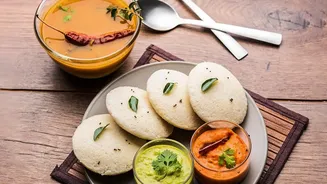
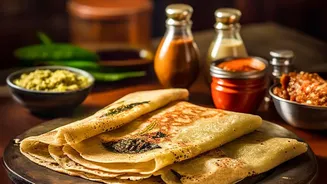
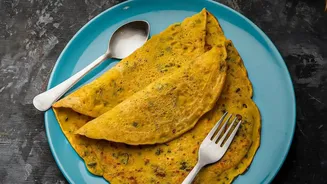
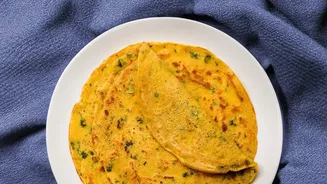
For years, the idea of an Indian breakfast for many was a fairly standard affair, often limited to a handful of popular dishes like dosa, idli, poha, and parathas. While these staples are beloved for their comfort and familiarity, they represent just
a fraction of India’s vast culinary heritage. A shift is now underway. Before packaged bread and instant cereals became defaults, mornings across the country began with foods that were hyperlocal, seasonal, and deeply traditional. Now, a growing movement is seeing people consciously turn away from generic convenience foods and back towards these forgotten recipes.
A Quest for Authenticity and Identity
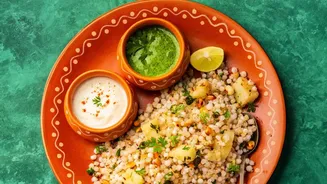
This revival is about more than just food; it's a cultural phenomenon. In a fast-paced, globalised world, there is a growing desire to connect with one's roots, and food is one of the most powerful ways to do so. Exploring regional breakfasts is a way of exploring one's own identity and heritage. The trend is also fueled by a renewed appreciation for dishes that were once confined to home kitchens, rarely seen on restaurant menus. As people move to new cities for work and study, they carry their food traditions with them, introducing regional specialities to a wider audience. This slow, organic spread is how dishes like Bihar's Dahi Chura or Maharashtra's Sabudana Khichdi are finding new fans far from their origins.
A Taste of India's Diverse Mornings
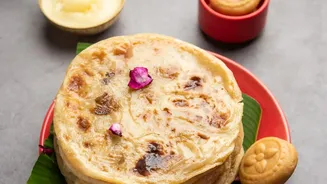
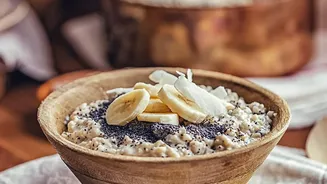
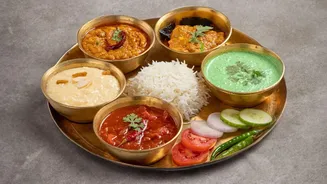
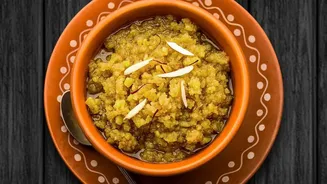
The sheer variety of regional breakfasts is staggering. In the east, Bengal and Assam offer dishes like Pitha, made from rice flour and often stuffed with coconut and jaggery, or Khar, an alkaline dish great for digestion. In the west, Gujarat's Handvo, a savoury cake made from fermented rice and lentil batter, provides a nutritious start. Head south, and you find Kerala's popular Puttu, a steamed cylinder of ground rice and coconut, often served with Kadala Curry. In central India, the combination of Poha with Jalebi is a beloved breakfast in many parts of Madhya Pradesh. These dishes showcase local ingredients and cooking methods passed down through generations.
The Health and Wellness Angle
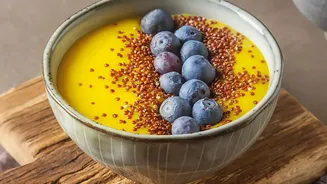
The return to traditional breakfasts is also driven by a growing focus on health. Many of these age-old recipes are naturally nutritious, balanced, and prepared with fresh, whole ingredients. Fermented dishes like idli and dosa are rich in probiotics and easy to digest. Meals featuring millets like ragi, which have been a staple for centuries, are high in calcium and fiber, providing sustained energy. Traditional breakfasts often incorporate a mix of carbohydrates, proteins, and healthy fats, keeping you full and focused without the energy crash associated with sugary, processed options. The use of spices like turmeric, cumin, and ginger not only adds flavour but also offers medicinal benefits, aiding digestion and boosting immunity.
The New Custodians of Tradition
This revival is being championed by a new generation of home cooks, food bloggers, and restaurateurs. Social media platforms have become a space for sharing family recipes and discovering forgotten dishes, turning regional favourites into pan-Indian trends. At the same time, new restaurants and cafes are proudly putting regional specialities on their menus, moving beyond the standard fare. They are proving that traditional food can be both authentic and adapted for modern lifestyles, without compromising on flavour or quality. By celebrating this culinary diversity, they are ensuring that India's rich breakfast traditions continue to thrive.