






From Backpacker Trail to Remote Work Hub
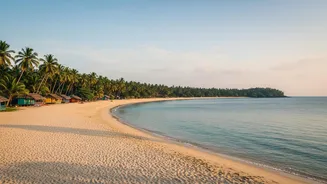
For years, Palolem was known for its crescent-shaped beach, calm waters perfect for kayaking, and a laid-back vibe that stood in stark contrast to the party-centric beaches of North Goa. It was a place to unplug and unwind. Today, however, a new generation
is arriving with laptops in tow, seeking not to disconnect, but to find a better way to stay connected. This shift from a tourist stop to a long-stay hub for remote workers has been driven by the area's affordability and growing infrastructure catering specifically to their needs. Unlike major cities, Palolem offers a blend of reliable connectivity and a relaxed lifestyle that is hard to find elsewhere, making it an ideal base for professionals working online.
The 'Monthly Pass' Philosophy
The term 'monthly pass' in Palolem doesn't refer to a single, official card. Instead, it describes a widespread local practice of offering significant discounts for long-term stays. Guesthouses, homestays, and even beach hut operators are increasingly providing all-inclusive monthly rates that bundle accommodation, utilities, and sometimes even meals at a fraction of the daily tourist price. This informal system benefits both parties: local businesses secure stable income, especially outside the peak tourist season, while digital nomads get a predictable, low-cost living arrangement. Platforms like Airbnb and local rental sites now prominently feature monthly stay options, making it easier than ever for remote workers to find furnished, work-ready homes for extended periods.
The Evolving Workspace
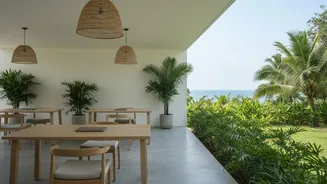
A critical factor in Palolem's rise is the availability of reliable workspaces. While spotty internet and power cuts were once a major concern in Goa, the situation has improved dramatically. Many guesthouses and apartments now offer dedicated workstations and high-speed Wi-Fi as standard amenities. Furthermore, a new ecosystem of co-working cafes and dedicated spaces has emerged. Venues like Kanvas Palolem and The Palm House Goa offer not just high-speed internet and power outlets, but also a professional environment and a community of like-minded individuals. Some, like Jungle by Sturmfrei, are hostels with dedicated, air-conditioned coworking zones, providing a bundled solution for living and working. This blend of options allows nomads to choose between a quiet home office or a collaborative community space.
The True Cost of Paradise
The primary appeal of Palolem is its remarkable affordability. For a digital nomad, monthly expenses can be managed effectively. Furnished one-bedroom apartments or guesthouse rooms can be found for around ₹20,000-₹40,000 per month. Daily expenses for food, which can range from local eateries to beachside cafes, can be budgeted at around ₹10,000-₹15,000 monthly. While coworking spaces might add another ₹8,000-₹15,000, many nomads work from their accommodations or Wi-Fi-enabled cafes, keeping costs down. Renting a scooter, the preferred mode of transport, is also economical with monthly deals available. A comfortable lifestyle, including accommodation, food, transport, and internet, can be sustained for approximately ₹60,000-₹90,000 (around $720–$1,080) per month.
A Lifestyle Beyond Work
What truly cements Palolem's status as a top hub is the quality of life it offers. The town's relaxed pace is a world away from the hustle of urban centres. The work day can be punctuated by a swim in the sea, a yoga session on the beach, or kayaking in the backwaters. South Goa's calmer atmosphere fosters a strong sense of community among remote workers, who often connect through coworking spaces and local cafes. This balance of productivity, wellness, and social connection is the ultimate value proposition for many digital nomads who choose to make this serene corner of Goa their temporary home.