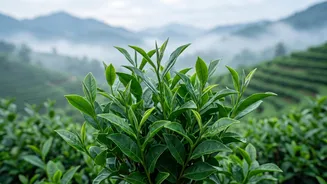







India's iconic tea industry is at a crossroads. The government is evaluating stringent new guidelines for pesticide use, a move that aims to make your daily cup safer and boost exports, but one that also poses significant challenges for growers.
A Push for Purer Tea
The conversation
around the quality of Indian tea is intensifying. At the heart of the debate is a proposal by the Food Safety and Standards Authority of India (FSSAI) to revise the Maximum Residue Limits (MRLs) for pesticides in tea. MRLs are the highest legally tolerated level of a pesticide residue in a food product. The proposed changes would significantly lower the acceptable limits for several chemicals currently used in tea cultivation. This move is driven by a dual objective: to safeguard the health of domestic consumers and to align Indian tea with the rigorous safety standards of major international markets, ensuring that the country's most famous beverage remains competitive on the global stage.
Health Concerns and Global Markets
So, why the sudden urgency? The push for stricter norms comes from growing health consciousness at home and immense pressure from abroad. Several developed nations, particularly those in the European Union, have some of the world's most stringent regulations on pesticide residues. In recent years, some Indian tea consignments have faced rejection or scrutiny in these markets for exceeding their MRLs. By harmonising its own standards with these global benchmarks, India aims to prevent such trade disruptions and bolster its reputation as a supplier of high-quality, safe tea. Furthermore, with increasing awareness among Indian consumers about food safety, ensuring a 'cleaner' cup of tea has become a priority for regulators.
The View from the Tea Gardens
While the goals are laudable, the proposal has sent ripples of anxiety through India's vast tea-growing community. For many planters, especially the millions of small tea growers who account for a significant portion of production, the proposed changes are a source of major concern. They argue that certain pesticides targeted by the new regulations are crucial for managing pests and diseases prevalent in India's specific agro-climatic conditions. A sudden ban or severe restriction without readily available and affordable alternatives could lead to crop losses and a drop in income. Growers' associations have been vocal, calling for a more phased approach and greater support from the government to make the transition.
The Challenge of Transition
The core of the challenge lies in the transition. Shifting away from conventional pesticides requires investment in new technologies and practices, such as Integrated Pest Management (IPM), which focuses on sustainable and biological solutions. For smallholders, the cost and knowledge required to adopt these methods can be prohibitive. Industry bodies are urging the Tea Board of India and the government to provide financial assistance, training, and support for research and development of viable alternatives. They argue that a blanket rule change, without an ecosystem to support it, could inadvertently harm the very people who form the backbone of the industry. The success of these new guidelines will depend heavily on how well this transition is managed.