




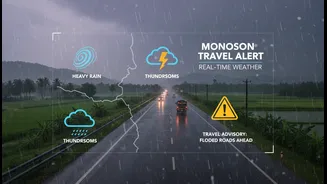




Monitor Weather Forecasts Religiously
The single most important step before and during your July trip is to keep a close eye on the weather. India’s monsoon is dynamic, with conditions varying dramatically by region. While some areas might experience light showers, others could face intense
downpours leading to waterlogging and travel disruptions. Use reliable weather apps and websites of the India Meteorological Department (IMD) to check forecasts not just for your primary destination, but also for key transit points. Checking the forecast 4-5 days before your trip and daily while you are there can help you anticipate heavy rainfall and adjust your plans accordingly, turning a potential disaster into a minor inconvenience. This allows you to schedule indoor activities on days with predicted heavy rain and save sunny spells for exploring.
Tap Into Real-Time Local Updates
A weather forecast gives you the big picture, but local, on-the-ground information is crucial for navigating daily challenges. Monsoon rains can lead to sudden road closures, landslides in hilly regions, and train or flight delays. Before heading out, especially on a road trip, check for real-time traffic and road condition updates. Apps like Google Maps or the home-grown Mappls can provide live traffic data and alerts for hazards like potholes or waterlogged streets. Following social media accounts of local police, municipal corporations, or regional news outlets can also provide timely warnings about disruptions. This hyper-local awareness is vital, as a scenic drive can quickly become hazardous without the latest information. Driving speeds should be reduced on wet roads, and it's best to avoid waterlogged areas entirely.
Embrace Flexibility in Your Itinerary
The most resilient travel plan for the monsoon season is a flexible one. An overly packed, rigid schedule is a recipe for stress when faced with weather-related delays. Instead, build buffer time into your itinerary. Opt for 'flexi fare' options when booking flights, which many airlines like Air India, IndiGo, and Air India Express now offer. These tickets allow you to change your travel dates with minimal or no penalty, a valuable safeguard when your plans are at the mercy of the weather. Similarly, look for hotels that offer free cancellation or flexible booking policies. Having a 'Plan B' for activities and even destinations can make all the difference. If a planned trek is cancelled due to landslides, a flexible itinerary allows you to pivot to a local museum or a cooking class without feeling like your day is ruined.
Pack Smart for Unpredictable Conditions
Your packing list for a July trip should be strategic. Prioritize items that can handle damp and humid conditions. Pack lightweight, quick-drying clothes made from synthetic fabrics rather than cotton or jeans, which take a long time to dry. A reliable waterproof jacket and a sturdy umbrella are non-negotiable. Waterproof footwear with good grip is essential to prevent slips on wet surfaces. Protect your electronics and important documents by storing them in waterproof bags or zip-lock pouches. It's also wise to carry a power bank, as power cuts can sometimes occur during heavy storms. Finally, include a basic first-aid kit and mosquito repellent, as the monsoon season sees an increase in waterborne diseases and insects.