



Power Up Your Protein
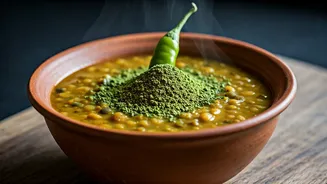
Protein is the building block of our bodies, yet it’s a common concern in vegetarian diets. The key isn't just to eat protein, but to eat complete protein. The good news? Indian cuisine has a built-in hack: combining dals with rice or roti. This pairing
creates a complete amino acid profile. To level up, make paneer, tofu, or soya chunks a regular feature in your curries. Snack smart on roasted chana, a handful of peanuts, or add a spoonful of pumpkin or sunflower seeds to your breakfast. These small additions ensure your muscles, hair, and skin get the support they need to thrive.
Master Your Iron Intake
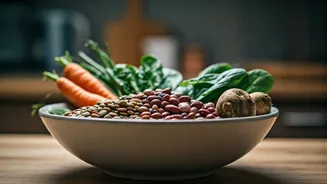
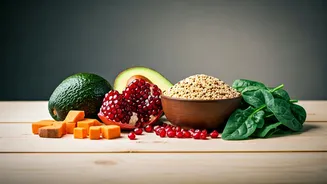
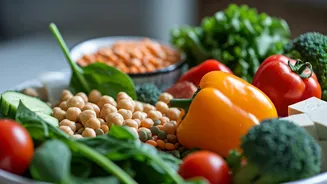
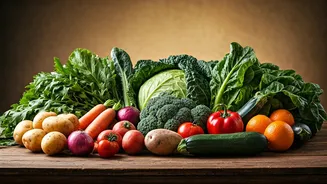
Feeling tired all the time? You might be low on iron. Plant-based (non-heme) iron, found in abundance in lentils, spinach, and beans, is harder for the body to absorb than the iron from meat. The solution is simple and delicious: Vitamin C. This powerful nutrient can dramatically increase non-heme iron absorption. So, squeeze a generous amount of lemon juice over your dal and sabzi. Have a small amla on the side. Incorporating iron-rich foods like beetroot, pomegranate, and dark leafy greens (like methi and palak) consistently will help keep your energy levels stable and prevent anemia.
Address the B12 Blind Spot
Vitamin B12 is crucial for nerve function and red blood cell formation, and it's the one nutrient that is almost exclusively found in animal products. This makes it the biggest nutritional challenge for vegetarians. While dairy products and cheese provide some B12, it's often not enough. This is where fortified foods become your best friend. Look for breakfast cereals, plant-based milks, or nutritional yeast (which has a cheesy, nutty flavour perfect for sprinkling on dishes) that are fortified with B12. For many long-term vegetarians, a doctor-recommended supplement might be the most reliable way to prevent a deficiency.
Build Stronger Bones with Calcium
When we think of calcium, we think of milk. While dairy is an excellent source, don't overlook the plant kingdom's contributions to bone health. Ragi (finger millet) is a calcium powerhouse and can be easily made into dosas, rotis, or porridge. Other fantastic sources include sesame seeds (til)—think til ladoos or adding tahini to dressings—chia seeds, almonds, and dark leafy greens like amaranth leaves and moringa. Diversifying your calcium sources ensures you're not just getting calcium but also other bone-supporting minerals like magnesium and phosphorus.
Don't Forget Good Fats
Fats are not the enemy! Healthy fats, especially Omega-3 fatty acids, are vital for brain health, reducing inflammation, and maintaining a healthy heart. A vegetarian diet can sometimes be low in these essential fats. The easiest way to boost your intake is by incorporating seeds and nuts. Just one tablespoon of ground flaxseed (alsi) in your morning smoothie or oatmeal can make a huge difference. Walnuts are another excellent source, perfect for a midday snack. Using cold-pressed mustard oil or groundnut oil for cooking, in moderation, also contributes healthy fats to your diet.