






What is This 10-Minute Magic?
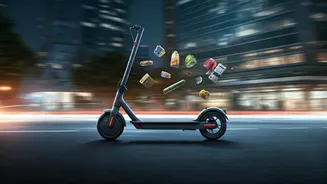
Quick commerce, or q-commerce, is the next evolution of online shopping, built on one promise: ultra-fast delivery. We're not talking same-day or next-day, but delivery within 10 to 30 minutes. This model has exploded in urban India, transforming how
people shop for daily essentials. Unlike traditional e-commerce that relies on large, centralized warehouses, quick commerce operates on a hyperlocal model. Driven by changing consumer habits after the pandemic, busy lifestyles, and the simple desire for instant gratification, q-commerce has shifted from a niche service to a mainstream expectation for millions. In 2026, the Indian quick commerce market is valued at over $5 billion, a testament to its rapid adoption.
The Race for Your Doorstep
The battle for India's quick commerce crown is fierce. The market is currently dominated by a few major players: Zomato-owned Blinkit, Swiggy's Instamart, and the disruptive entrant Zepto. Together, they command a significant majority of the market share. However, the giants of traditional e-commerce are not sitting idle. Walmart's Flipkart is aggressively expanding its 'Flipkart Minutes' service, while Amazon is scaling up 'Amazon Now' to compete directly. These companies are rapidly expanding their footprint, moving beyond metros into Tier-II and Tier-III cities like Jaipur and Lucknow, which are showing massive growth. The product range is also widening dramatically from groceries to electronics, cosmetics, and even fashion, signaling a much broader ambition than just delivering milk and bread.
Behind the Scenes: The 'Dark Store' Economy
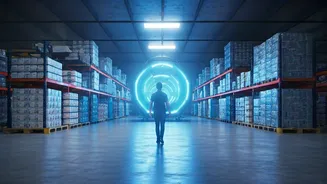
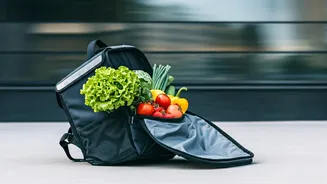
The secret to 10-minute delivery lies in a network of 'dark stores'. These are not spooky warehouses but small, strategically located fulfillment centers that are closed to the public. Think of them as mini-supermarkets designed exclusively for online orders. Each dark store serves a tight radius of just 2-3 kilometers and stocks a curated inventory of 3,000 to 5,000 high-demand products. When you place an order, an optimized system assigns it to the nearest dark store. Inside, a 'picker' gathers the items, often in under 90 seconds, thanks to layouts designed for maximum speed. The packed order is then handed to a delivery rider waiting nearby. This entire process, powered by technology and dense logistics, is how your order arrives in minutes. As of 2026, India has over 5,000 dark stores, with players like Blinkit planning to operate thousands more.
Why It's the Ultimate 'Flex'
In the fast-paced life of urban India, time is the ultimate luxury. Using a quick commerce app to summon snacks for an impromptu movie night or rescue a dinner party with a missing ingredient has become a modern-day status symbol. It signals a lifestyle of convenience and efficiency, where your time is too valuable to be spent on a trip to the local shop. This 'flex' is about outsourcing errands and reclaiming time. Platforms are catering to this by expanding into premium and lifestyle categories; Flipkart, for instance, now offers five types of avocados in Bengaluru to cater to evolving urban tastes. For many young, high-income professionals in metropolitan cities, quick commerce isn't just a utility; it’s an integrated part of their daily life, used for both planned top-ups and impulsive buys.
The Hidden Costs of Convenience
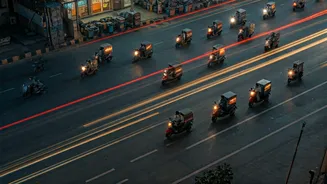
While 10-minute delivery is a marvel of modern logistics, it comes with significant social and economic questions. The model places immense pressure on a vast network of gig workers—the delivery riders who make the magic happen. These workers often face low pay, long hours, and a lack of job security or benefits, as they typically bear the cost of fuel and vehicle maintenance themselves. Seasonal worker shortages can disrupt the entire system, highlighting the fragility of a model reliant on a strained workforce. Furthermore, the rise of dark stores and the aggressive pricing strategies of q-commerce giants pose a threat to local kirana stores, which have been the backbone of Indian retail for generations. As the industry matures, questions around its long-term sustainability, environmental impact, and ethical responsibilities are becoming more urgent.