


A High-Stakes Spacewalk
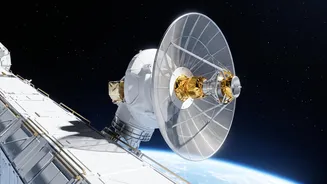
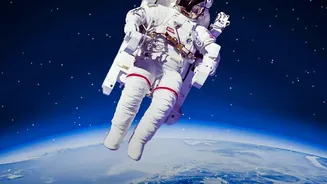
On Tuesday, August 25, NASA astronaut Anil Menon and European Space Agency (ESA) astronaut Sophie Adenot completed a demanding 6.5-hour spacewalk to install a new Space-to-Ground Antenna (SGANT). This extravehicular activity (EVA) was the culmination
of a two-part effort. During a prior spacewalk on August 18, the pair successfully removed the faulty antenna but ran out of time to install its replacement due to unforeseen difficulties with cables and bolts. The second spacewalk saw them retrieve the spare antenna, manoeuvre it into position using the Canadarm2 robotic arm, and successfully connect it to the station's power and data systems. The mission marked the 283rd spacewalk in support of station maintenance and was Menon's third EVA and Adenot's second.
The Station’s Communication Lifeline
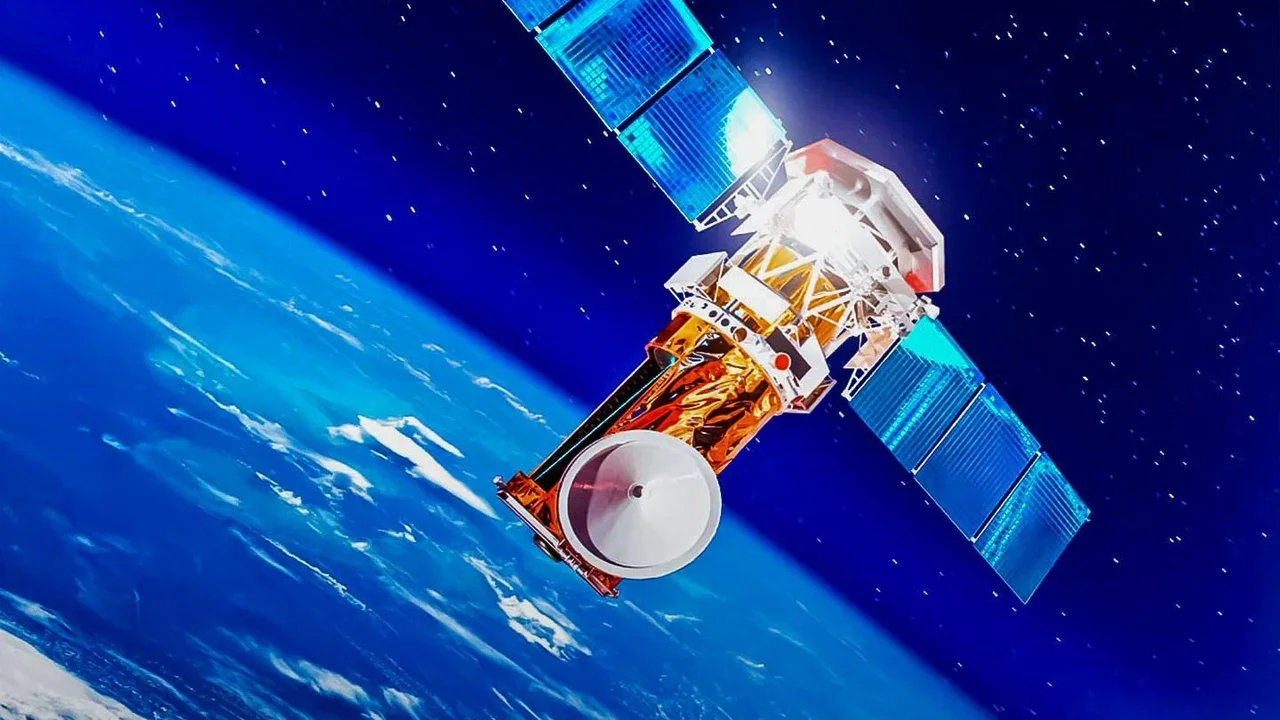
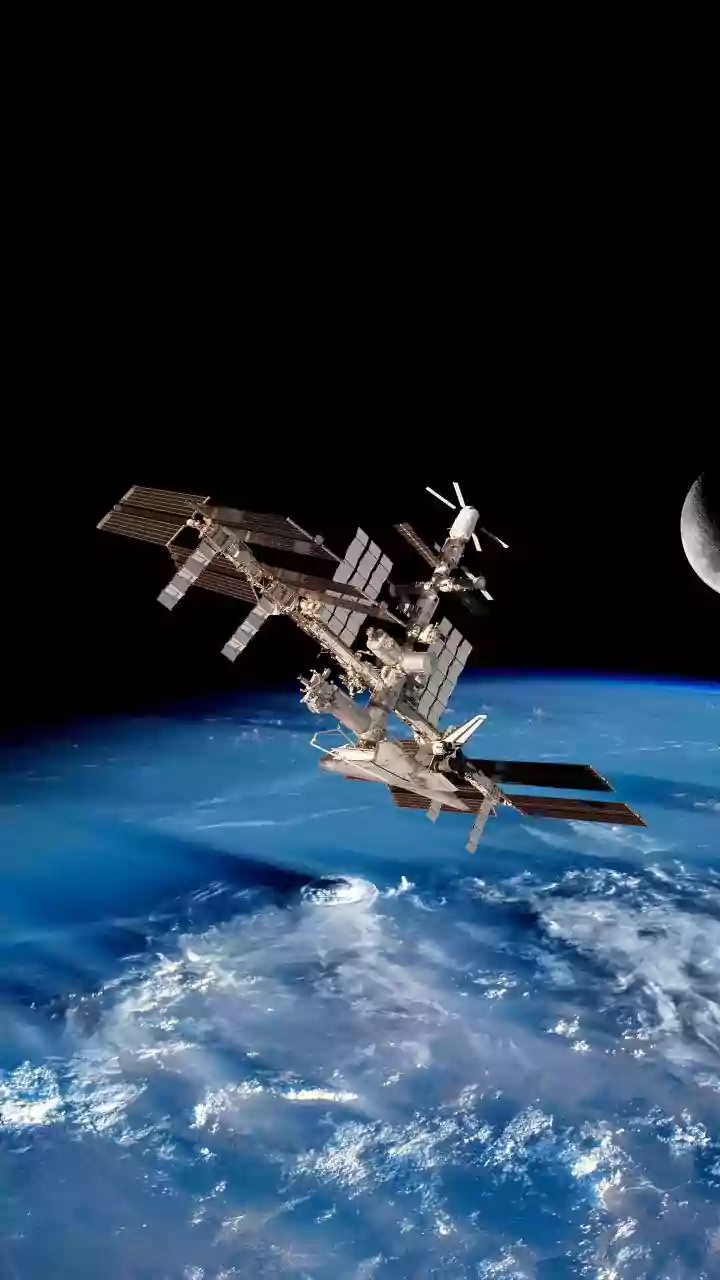
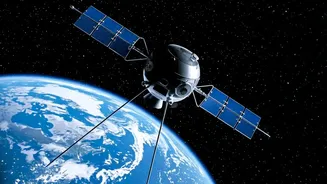
The ISS uses a multi-layered communication system to stay connected with Mission Control in Houston and scientists around the world. This is handled primarily through the Space Network, a system of Tracking and Data Relay Satellites (TDRS) in high orbit. The SGANT assemblies on the station are critical for this link, transmitting and receiving everything from astronaut voice calls and high-definition video to the vast streams of scientific data generated by onboard experiments. The antennas operate on the S-band frequency, a reliable workhorse for telemetry, tracking, and command (TT&C) communications that is resilient to weather interference. When one of the main antennas failed last November, the station had to rely on its backup, losing crucial system redundancy. This repair was essential to restore the system's robustness.
The Dangers of Working in a Vacuum
Performing intricate repairs outside the space station is one of the most dangerous tasks an astronaut can undertake. Spacewalks, or EVAs, expose crew members to the vacuum of space, where they are protected only by their specialized suits. The risks are numerous: extreme temperature swings from over 120°C in sunlight to below -100°C in shadow, the threat of micrometeoroids traveling at immense speeds, and constant exposure to cosmic radiation. The suits themselves are complex life-support systems, and any malfunction can be catastrophic. Physical and cognitive fatigue are also significant factors during long, complex EVAs, where a single mistake can have dire consequences for both the astronaut and the station itself. Every move is carefully choreographed with ground control, highlighting the need for a stable communication link—the very system Menon and Adenot were there to repair.
Restoring Redundancy, Enhancing Science
With the new antenna successfully installed and tested, the ISS has its full communications capability restored. This not only re-establishes the critical redundancy needed for safety and mission assurance but also supports the ever-increasing demand for data bandwidth from the orbiting laboratory. Modern experiments on the ISS generate massive amounts of high-resolution data, from studies on human biology in microgravity to Earth observation and technology demonstrations. A robust, high-rate communications system is essential to get this information to researchers on the ground quickly and efficiently. While this repair was about replacing a failed part, it underscores a broader theme: the ongoing maintenance required to keep the multi-billion dollar station operational and scientifically productive as it continues its mission.