


Often hiding in plain sight in our kitchen pantries, arrowroot flour is a gluten-free wonder that’s as versatile as it is healthy. This fine, silky powder is more than just a thickener; it's a key to lighter bakes and crispier snacks.
What is Arrowroot Flour?
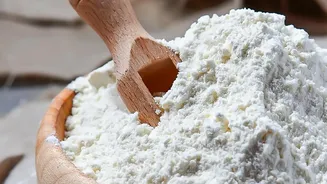
Arrowroot flour,
also known as arrowroot starch or 'ararot' in Hindi, is a powder extracted from the rhizomes of the Maranta arundinacea plant, a tropical tuber. Unlike cornstarch, which can be heavily processed, arrowroot is typically extracted using simpler methods without high heat or harsh chemicals. This results in a flavourless, odourless powder that is naturally gluten-free, grain-free, and easy to digest. Its easy digestibility makes it a suitable food for infants and those with sensitive stomachs. Rich in nutrients like potassium, iron, and B vitamins, it has a higher protein content than other tubers like yams. It's a staple in many Indian households, especially during fasting periods ('vrat' or 'upwas'), where it's used in dishes like halwa and papad.
1. Fluffy Arrowroot Pancakes
The perfect weekend breakfast, these pancakes are light, fluffy, and completely gluten-free. To make a simple batch, whisk together two large eggs, 100 ml of milk (or a non-dairy alternative like almond milk), and six tablespoons of arrowroot powder until you have a smooth, slightly runny batter. Heat a lightly oiled pan over a medium flame. Pour a ladleful of batter into the pan, tilting it to spread the mixture evenly. Cook for about a minute, or until bubbles appear on the surface and the edges are set. Flip and cook the other side until lightly golden. Serve immediately with a generous topping of fresh fruits like chopped strawberries and blueberries, a drizzle of maple syrup, or a dollop of whipped cream.
2. A Silky Thickener for Curries and Soups
One of arrowroot's most common uses is as a thickening agent. It has roughly twice the thickening power of wheat flour and, unlike cornstarch, it creates a clear, glossy finish without any chalky taste. This makes it perfect for giving your homemade curries, soups, and gravies a beautiful, silky consistency. The key is to create a 'slurry' first. For every cup of liquid you want to thicken, mix one to two teaspoons of arrowroot powder with a tablespoon of cold water until it forms a smooth, lump-free paste. Add this slurry to your hot curry or soup at the very end of the cooking process, stirring continuously until it thickens, which usually only takes a few seconds. Avoid boiling it for too long, as excessive heat can cause it to lose its thickening properties.
3. The Secret to a Crispier Fry
Want to achieve a perfectly light and crispy coating on your fried snacks? Arrowroot is the answer. A light dusting of arrowroot powder on vegetables, paneer, tofu, or even chicken before frying creates a wonderfully crisp exterior. Simply pat your main ingredient dry, toss it in a bowl with a few tablespoons of arrowroot powder seasoned with salt and spices, and shake to coat evenly. Fry as you normally would. The arrowroot helps to draw out moisture, resulting in a superior crunch that isn't heavy or greasy. It's an excellent technique for making everything from crispy bhindi to restaurant-style chilli chicken.
4. Delicate Arrowroot Biscuits
Because it’s gluten-free, arrowroot flour creates baked goods with a tender, crumbly texture. These simple biscuits are a perfect example. Preheat your oven to 175°C. In a bowl, cream together 200g of softened butter and one cup of sugar. Beat in two eggs, one at a time. In a separate bowl, sift together three cups of arrowroot flour and two teaspoons of baking powder. Gradually add the dry ingredients to the wet mixture, combining until a soft dough forms. Roll small portions of the dough into balls, place them on a baking sheet, and press gently with a fork. Bake for about 10 minutes, or until the edges are lightly golden. Let them cool completely on a wire rack. These delicate, melt-in-your-mouth biscuits are perfect with a cup of chai.
5. Creamy Coconut and Arrowroot Pudding
Arrowroot's ability to create a smooth, glossy texture at low temperatures makes it ideal for custards and puddings. For a simple and soothing dessert, try a coconut and arrowroot pudding, reminiscent of a Malabar-style 'koova kurukiyathu'. In a saucepan, bring three cups of coconut milk to a gentle boil. In a small bowl, make a slurry by mixing three teaspoons of arrowroot powder with a few tablespoons of cool coconut milk until completely smooth. Whisk the slurry into the hot coconut milk and continue stirring over a low flame until the mixture thickens. Sweeten to taste with jaggery or sugar and flavour with a pinch of cardamom powder. Serve warm for a comforting treat.