




The Unboxing Ritual: Triage Your Produce
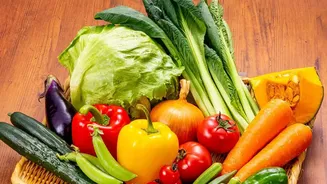
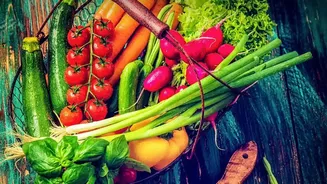
The moment your produce box arrives, the clock starts ticking. Don't just shove it in the fridge. Instead, establish an unboxing ritual. Lay everything out on your counter to see what you have. Group items by type: leafy greens, root vegetables, fruits,
and herbs. This initial sort helps you take inventory. Immediately address items that need special care. For root vegetables like carrots or beets that come with their tops, remove the greens right away. The leaves draw moisture from the root, causing them to go soft. This quick triage is the first step in deciding what needs to be eaten first.
Create a 'Use-First' Zone
The key to this system is visibility. Designate a specific, highly visible area in your refrigerator as the 'Use-First' or 'Eat Me Now' zone. This is where you’ll put the most perishable items from your box—think delicate salad greens, berries, or that half-used bell pepper. The principle is simple: what you see is what you eat. By keeping these items at eye level instead of hidden in opaque crisper drawers, you are constantly reminded to use them before they spoil. Consider using a clear, open bin for this purpose. It contains the items neatly while keeping them front and center in your line of sight. This strategy borrows from professional kitchens' 'First In, Last Out' (FIFO) principle, adapted for home use to focus on what will expire first.
Prep for Success: Wash, Chop, and Store
A little prep work after unboxing makes it much easier to use your produce throughout the week. While some experts advise washing produce just before use, others find that pre-washing and prepping makes healthy eating more convenient. For sturdy items like bell peppers, carrots, and celery, go ahead and wash, slice, and store them in clear, airtight containers. This makes them ready for quick snacks or easy additions to meals. For delicate leafy greens, proper storage is crucial. Wash and thoroughly dry them—a salad spinner is excellent for this—then store them in a container lined with a paper towel to absorb excess moisture, which helps prevent sliminess. Removing produce from bulky packaging not only saves space but allows you to store it properly for maximum freshness.
Visibility is Key: An Organized Fridge
Your 'Use-First' zone is just one part of a larger strategy for an organized, efficient refrigerator. Embrace clear storage containers for everything. When you can see your food, you're more likely to use it. Group similar items together—all the cheeses in one bin, yogurts in another. Understand your fridge's different temperature zones: lower shelves are often colder and ideal for raw meat and dairy, while upper shelves are great for leftovers and ready-to-eat foods. Many modern fridges have humidity-controlled crisper drawers; as a general rule, store things that wilt (like greens) in high humidity, and things that rot (like many fruits) in low humidity.
The Pre-Grocery Audit
The final step in the weekly cycle happens just before your next grocery run or produce delivery. Take a moment to audit your fridge, especially your 'Use-First' zone. What needs to be used up today or tomorrow? This is your opportunity to get creative. That handful of spinach, half an onion, and those slightly soft tomatoes are the perfect start for an omelet, soup, or pasta sauce. By checking what you already have, you can plan your next meals to incorporate those items and adjust your shopping list accordingly. This prevents you from buying duplicates and ensures that the last of your previous box is enjoyed, not wasted, making space for the new bounty to come.