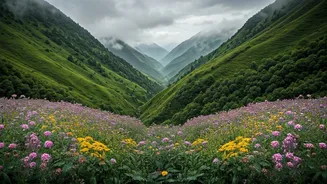



Valley of Flowers, Uttarakhand: A Floral Paradise
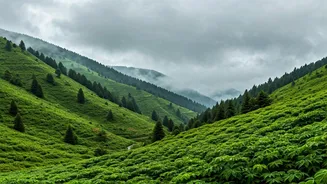
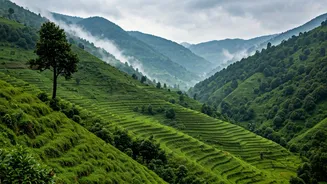
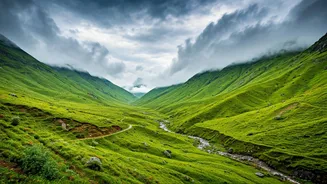
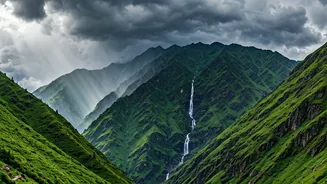
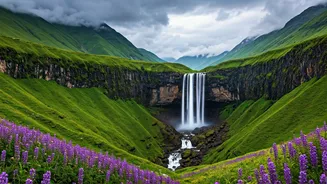
A UNESCO World Heritage Site, the Valley of Flowers in Uttarakhand is a destination that truly comes alive during the monsoon. [18] From July to September, the valley transforms into a vibrant carpet of over 600 species of wildflowers, including the elusive
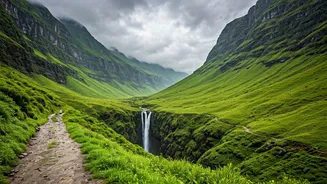
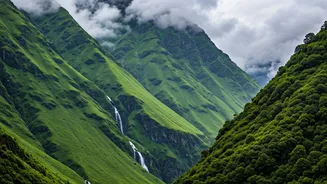
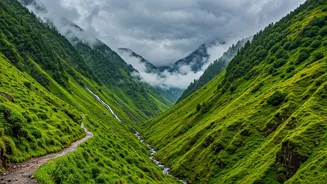
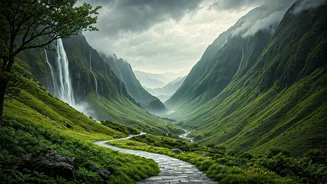
blue poppy, cobra lilies, and Brahma Kamal. [18, 19] The trek to this high-altitude meadow is an experience in itself, with rain-fed waterfalls gushing down the mountainsides and clouds floating gently across the trails. [18] While most Himalayan treks close during the rains, this one is designed for it, offering a unique spectacle where the landscape is painted in breathtaking colours. [13, 18] The best time to witness the full bloom is between mid-July and mid-August, when the floral display is at its absolute peak. [19]
Spiti Valley, Himachal Pradesh: The Rain-Shadow Wonder
For those wary of heavy rainfall, Spiti Valley offers a unique and compelling alternative. Situated in a rain-shadow region, the towering Himalayan ranges block most monsoon clouds, resulting in minimal rainfall and dry, sunny days perfect for exploration. [7] This makes July and August an ideal time to visit, when other mountain destinations are grappling with continuous showers. [14] The route from Shimla via Kinnaur is generally more reliable during this season. [7] The stark, dramatic landscapes of this cold desert are mesmerizing, with ancient monasteries like Key and Tabo perched precariously on cliffs, and villages like Langza and Komic offering a glimpse into a timeless way of life. [7, 23] The clear skies also make for phenomenal stargazing opportunities. [14]
Udaipur, Rajasthan: The Rejuvenated City of Lakes
While geographically in the west, Udaipur is a jewel of North Indian travel circuits that gains a magical quality in the monsoon. The 'City of Lakes' sees its water bodies, including the iconic Lake Pichola and Fateh Sagar Lake, replenished by the rains. [9, 22] The surrounding Aravalli Hills, barren in the summer, turn a lush, verdant green, providing a stunning backdrop to the city's white marble palaces. [11] The temperature drops to a comfortable 25-30°C, making it pleasant for sightseeing. [9, 11] A boat ride on a full Lake Pichola, with views of the glistening City Palace and the romantic Monsoon Palace (Sajjangarh) shrouded in mist, is an unforgettable experience. [9, 22] The season also brings fewer crowds, allowing for a more relaxed and intimate exploration. [11, 25]
Kasauli, Himachal Pradesh: A Misty Colonial Retreat
This quaint colonial-era hill station becomes exceptionally atmospheric during the monsoon. [21] From July to September, Kasauli is draped in a perpetual mist, with pine forests becoming intensely fragrant and vibrant. [6] The rainy season transforms the landscape into a living postcard, perfect for those seeking peace and quietude. [6] Take a misty morning walk along the Gilbert Trail, where the clouds seem to descend to meet you, or simply relax and enjoy the sound of rain on a tin roof. [21, 29] While heavy rain can restrict some activities, the charm of Kasauli in the monsoon lies in this very slowness, offering a deeply restorative escape from city life. [6, 16]
Dharamshala, Himachal Pradesh: A Walk in the Clouds
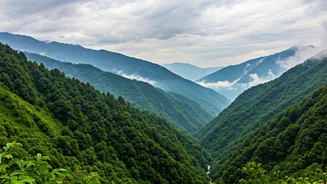
The home of the Dalai Lama, Dharamshala, along with McLeod Ganj, turns into a lush green paradise from July to September. The Dhauladhar range provides a dramatic, cloud-kissed backdrop, and the Kangra Valley is at its most verdant. [26] The air carries the fresh scent of wet earth and pine, creating a tranquil, spiritual atmosphere. [24] The rainfall, though frequent, often comes in sudden bursts followed by clear spells, revealing rainbows and stunning sky hues. [26] It's a time for unhurried walks, exploring peaceful monasteries, and enjoying cozy cafes while watching the rain. [31] With fewer crowds and a more serene vibe, the monsoon offers a chance to experience the soulful side of this Himalayan town. [24, 31]