
The Golden Rule of Sikkim Travel
Before we dive into the day-by-day plan, it's crucial to understand one thing: Google Maps lies. Or rather, it can't comprehend the reality of Himalayan roads. A 120-kilometre journey is not a 90-minute highway drive; it’s a 5-to-6-hour commitment. Roads
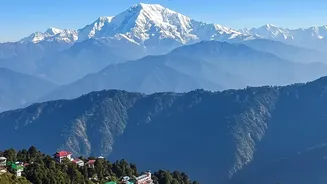
twist and turn, climb steep gradients, and are often subject to weather delays and maintenance work. Travel in Sikkim is part of the adventure, not just a means to an end. This itinerary embraces that, focusing on a deep dive into Gangtok and the surreal landscapes of North Sikkim. Trying to squeeze in West Sikkim (Pelling) would mean spending most of your holiday in a car, which is exactly what we want to avoid. Remember that for certain areas, like North Sikkim and Tsomgo Lake, you will need a Protected Area Permit (PAP), which is typically arranged by your tour operator or taxi service a day in advance.
Day 1: Arrival and Acclimatisation in Gangtok
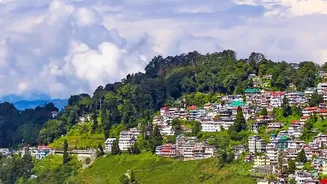
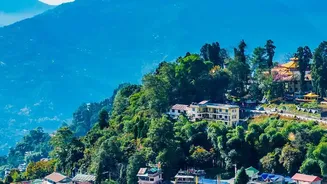
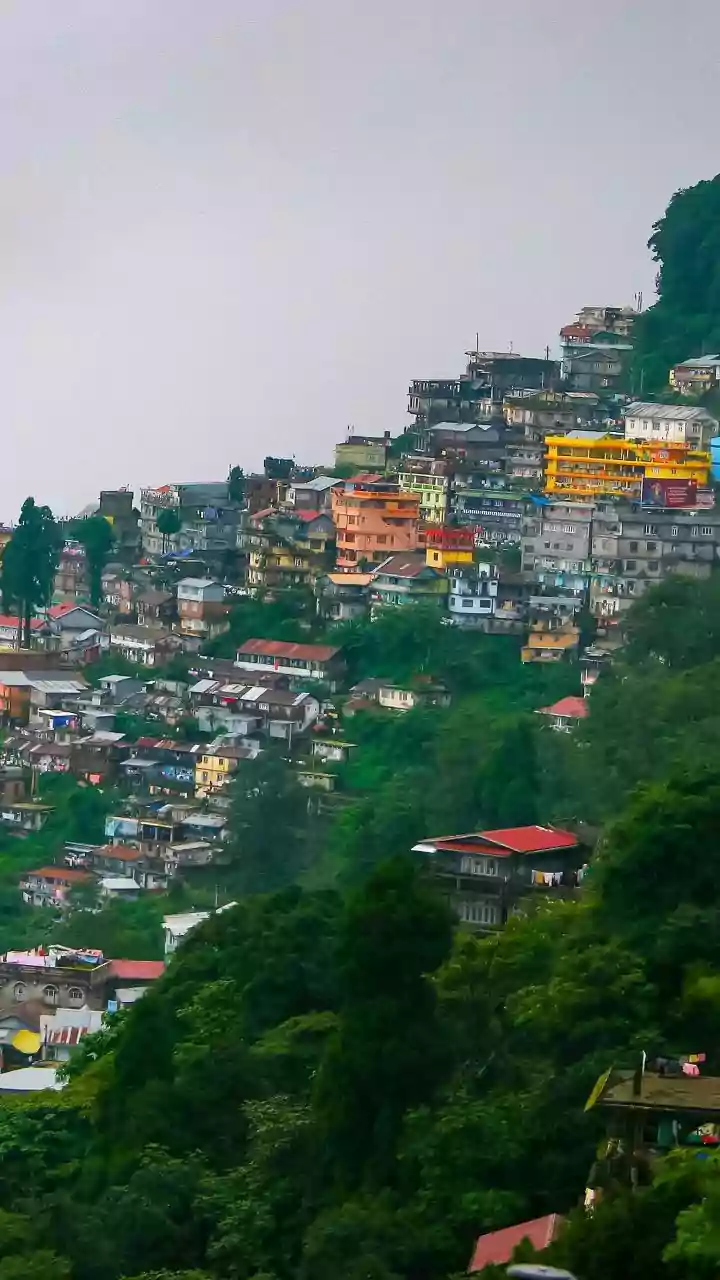
Your journey begins at Bagdogra Airport (IXB) in West Bengal, the primary gateway to Sikkim. From here, the drive to Gangtok, Sikkim's capital, is approximately 125 kilometres. This is your first lesson in mountain time, as the trip will take about 4.5 to 5 hours, and can stretch to 7 if there's traffic or rain. The route itself is scenic, following the Teesta River as it carves its way through the hills. Upon arrival in Gangtok (altitude: approx. 5,410 ft), check into your hotel and take it easy. The evening is best spent strolling down the vehicle-free MG Marg, a lively hub of cafes, shops, and restaurants. Avoid planning any major sightseeing today; your body needs time to acclimatise to the altitude.
Day 2: Glacial Lakes and High-Altitude Passes
Today is for exploring the stunning high-altitude wonders near Gangtok. The main attraction is Tsomgo Lake, also known as Changu Lake, a glacial lake situated at about 12,310 feet. The 40 km drive from Gangtok takes about two hours. The journey is as spectacular as the destination, with the road climbing sharply into the alpine zone. Depending on permit availability (and nationality, as it's closed to foreigners), you can continue to Nathu La Pass on the India-China border. Indian nationals also typically visit Baba Mandir, a shrine dedicated to a soldier. This full-day excursion involves significant time on the road, so start early. You'll return to Gangtok in the evening, tired but thrilled.
Day 3: The Epic Journey to North Sikkim
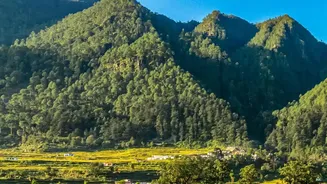
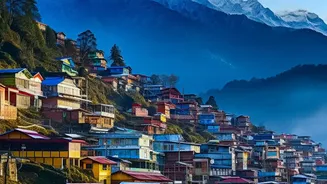
Prepare for a long and rewarding travel day. You're heading to Lachung, a picturesque village in North Sikkim that serves as the base for Yumthang Valley. The distance is only about 118 kilometres, but the drive takes a full 5 to 7 hours. The road, while scenic, is challenging and winds through deep valleys and past countless waterfalls like the Seven Sisters Waterfall. You’ll leave Gangtok after breakfast to ensure you reach Lachung (altitude: approx. 8,600 ft) before dark. This journey requires a special permit, which your driver or tour operator will have arranged. Settle into your hotel in this remote mountain village; all meals are typically included here as dining options are limited.
Day 4: The Valley of Flowers and Return Journey
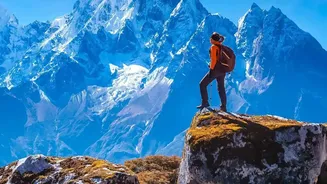
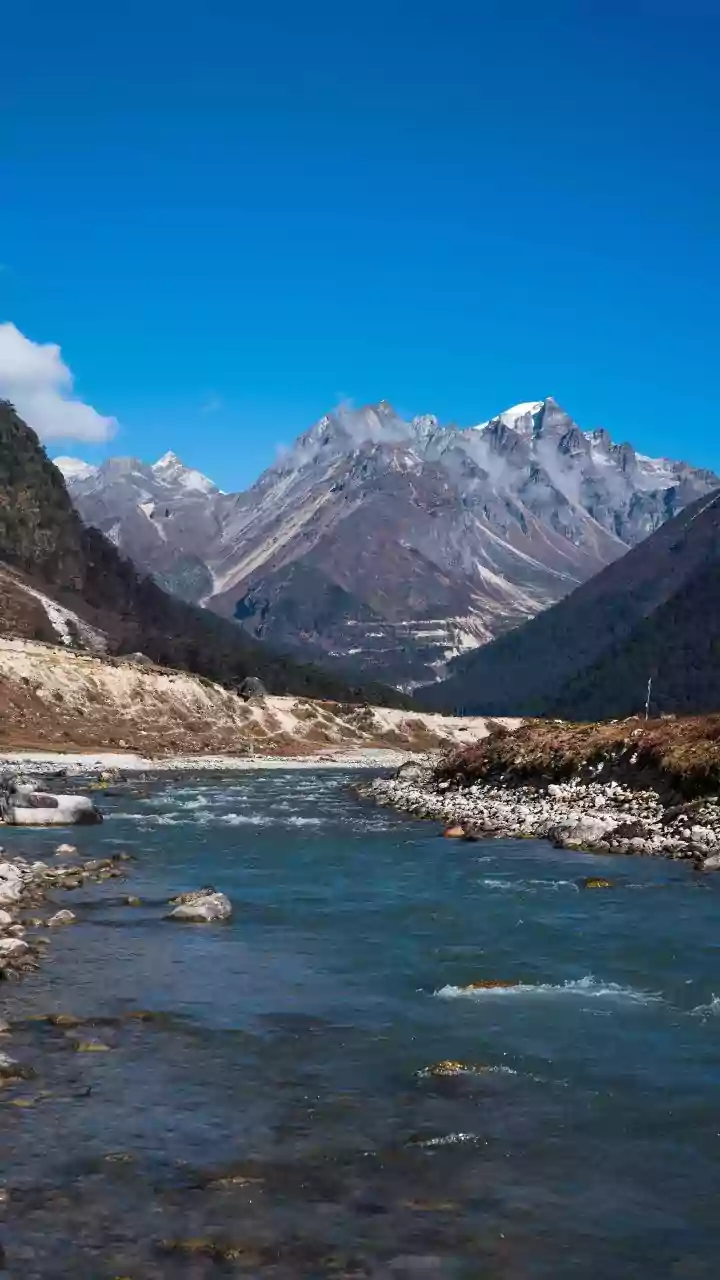
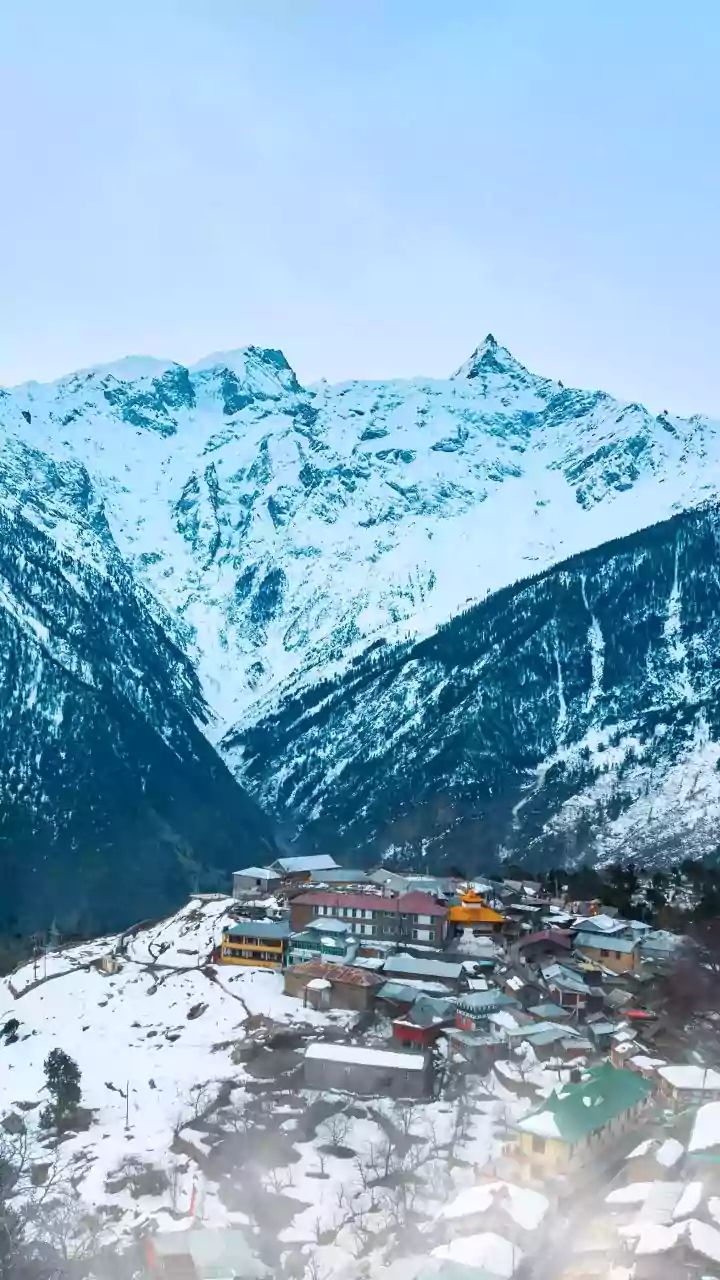
An early start is essential to witness the magic of Yumthang Valley, the 'Valley of Flowers'. Located about 25 km from Lachung, the drive takes around 1.5 hours. If you visit in spring (April-May), the valley floor is a carpet of colourful rhododendrons. At other times, it's a stunning alpine meadow with a river flowing through it. Many tours offer an optional, extra-cost extension to Zero Point (Yumesamdong), which takes you to the snowline at over 15,000 feet, but this is subject to road and weather conditions. After spending the morning amidst the peaks, you will begin the long 5-6 hour drive back to Gangtok. This allows for a more relaxed departure the next day.
Day 5: Leisure and Local Exploration in Gangtok
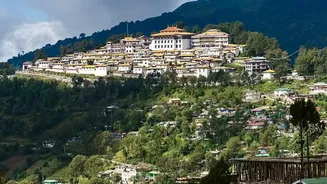
After two intense days of high-altitude travel, today is about enjoying Gangtok at a relaxed pace. You can visit some of the local sights you missed on Day 1. Consider a trip to the Rumtek Monastery, one of Sikkim's largest and most significant monasteries. Alternatively, you can explore the Namgyal Institute of Tibetology to learn about Buddhist culture, visit the Do-Drul Chorten stupa, or take the cable car for panoramic views of the city. Spend the afternoon souvenir shopping on MG Marg or simply relaxing in a cafe, soaking in the mountain atmosphere. This day acts as a crucial buffer, ensuring you are not rushing from a long journey directly to your departure.