




The Quest for Flawless Rice
In kitchens across India, rice is more than just a side dish; it's the foundation of countless meals. From a simple dal and rice to an elaborate biryani, the quality of the rice can make or break the dish. Yet, achieving that restaurant-quality texture—where
each grain is perfectly cooked, tender, and separate—can feel like an elusive art. Too often, the result is clumpy, sticky, or unevenly cooked, with some parts mushy and others hard. It’s a common frustration that leads many home cooks to believe they’re just not good at making rice. But the secret isn’t necessarily in a complicated new technique or an expensive gadget. It’s about understanding what happens in the pot after the heat is turned off.
The Power of Patience: Let It Rest
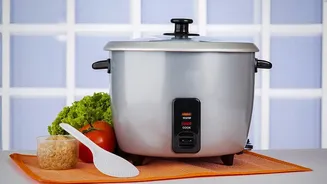
The single most transformative step you can take for better rice is to let it rest. After the cooking time is complete, whether on a stovetop or in a rice cooker, resist the urge to immediately lift the lid and fluff it. Instead, remove the pot from the heat, keep it tightly covered, and let it stand undisturbed for about 10 to 15 minutes. This resting period is not passive; it’s an essential final stage of cooking. During these crucial minutes, the magic happens. The residual heat and trapped steam continue to work, ensuring the rice finishes cooking gently and evenly without any additional heat from the burner.
The Science of Steam and Starch
So, what’s actually happening inside that pot? Two key processes are at play. First is moisture redistribution. When rice is freshly cooked, the moisture is often unevenly distributed; grains at the bottom might be wetter, while those at the top are drier. The resting period allows this moisture to balance out as steam circulates and is reabsorbed by the grains. This prevents the rice from being clumpy and ensures a consistent texture throughout the pot. Second, the starches need time to set. During cooking, starch molecules absorb water and swell, a process called gelatinization. If you stir the rice immediately, these fragile, swollen grains can break and release excess starch, leading to a gluey texture. Allowing the rice to rest lets the starches firm up, so the grains hold their shape when you eventually fluff them.
Your Step-by-Step Guide to Rested Rice
Incorporating this technique into your routine is simple. 1. Cook your rice as you normally would, using your preferred method—stovetop, pressure cooker, or rice cooker. 2. Once the cooking cycle is complete, turn off the heat and move the pot to a cool burner to prevent the bottom from overcooking. 3. Keep the lid on tight. Do not peek! Lifting the lid releases the precious steam needed for this final step. For an even better result, some cooks place a clean, folded dish towel between the pot and the lid to absorb any excess condensation that could make the rice soggy. 4. Let the rice rest for 10 to 15 minutes. For larger batches, you might extend this to 20 minutes. 5. After resting, gently fluff the rice with a fork or a rice paddle to separate the grains before serving. Using a fork is preferable to a spoon, as it is less likely to mash the delicate grains.
Does This Work for All Types of Rice?
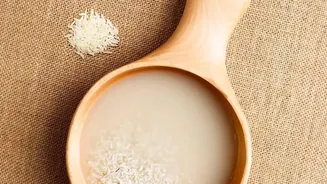
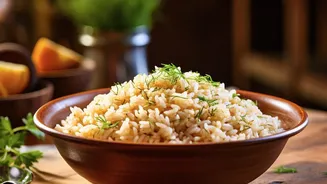
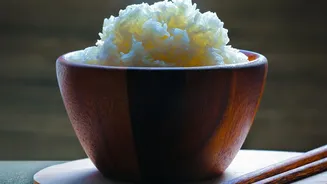
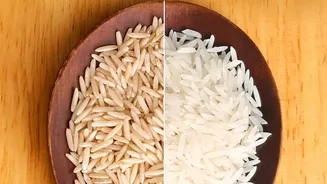
This resting technique is especially effective for long-grain varieties like Basmati and Jasmine rice, which are prized for their light, fluffy texture. Soaking Basmati for about 30 minutes before cooking can further enhance its length and separateness, and the post-cooking rest is critical to achieving that signature fluffiness. Most modern rice cookers are designed with this principle in mind; their automatic 'Keep Warm' cycle is essentially a built-in resting period. For short-grain rice, like that used for sushi or risotto, some stickiness is often desired, but even these varieties can benefit from a short rest to ensure even cooking. Ultimately, whether you're making a simple side or the star of the meal, giving your rice a few minutes to itself after cooking is a simple, no-cost trick that delivers consistently superior results.