






Pune's Booming Property Landscape
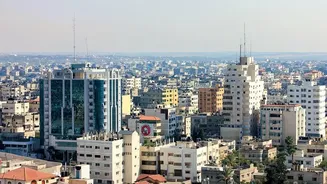
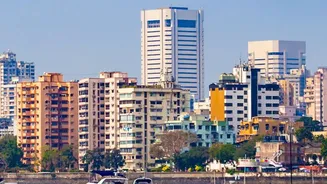
Pune has solidified its position as one of India's top housing markets, with significant sales figures recorded in the first half of 2026. This growth is not just speculative; it's powered by a strong employment ecosystem, particularly in the IT and manufacturing
sectors, and substantial infrastructure upgrades like the expanding Metro network. As a result, property values have seen steady appreciation. The average price for a home in Pune has climbed, with key IT hubs like Kharadi, Hinjewadi, and Baner seeing consistent demand. This environment of high demand and rising prices forms the crucial backdrop for anyone weighing their housing options.
The Case for Renting: Flexibility First
For many, especially the large population of professionals who have relocated to Pune for work, renting offers undeniable advantages. The most significant is flexibility. Renting allows you to live in prime, well-connected localities that might be prohibitively expensive to buy into. It also means you can easily relocate for a new job or lifestyle change without the lengthy process of selling a property. Financially, the upfront costs are drastically lower. Instead of a massive down payment, you're looking at a security deposit, which keeps your capital free for other investments. With rents in some areas being considerably lower than what an equivalent home loan EMI would be, it can lead to better monthly cash flow.
The Case for Buying: Building Future Wealth
Despite the high entry costs, buying a home remains a cornerstone of long-term financial planning for many. Homeownership is about building equity—turning your monthly payments into a tangible asset. Pune's property market has a track record of appreciation, meaning a well-chosen property can grow into a significant nest egg over time. Beyond the investment aspect, there's the stability and emotional security of owning your own space, with complete freedom to customize it. Furthermore, homeowners can avail tax deductions on both the principal and interest components of their home loans, a financial benefit that renters do not have.
Don't Forget the Hidden Costs of Ownership
The advertised price of a property is just the beginning. The total cost of buying a home can be 10-20% higher once you factor in additional expenses. These include substantial government charges like stamp duty and registration fees, which can amount to 5-7% of the property's value. If you're buying an under-construction property, a 5% GST is also applicable. Then come the home loan processing fees, legal charges, and costs for interior work like modular kitchens, wardrobes, and painting, which can easily run into several lakhs. Ongoing expenses such as property tax, society maintenance charges, and insurance premiums are also part of the long-term financial commitment.
So, When Does Renting Win?
Renting makes the most financial and practical sense in several key scenarios. If your career is dynamic and you might need to relocate within the next two to three years, renting is the smarter call. The high transaction costs of buying and selling a home can erode any potential gains over a short period. Renting is also preferable if you haven't saved enough for a substantial down payment without completely draining your emergency funds. For those who prioritize liquidity and want to invest the difference between their rent and a potential EMI into other high-growth assets like mutual funds, renting can be a strategic financial choice. Finally, if you're new to the city, renting for a year allows you to experience different neighborhoods before making a long-term commitment to one.