
The Double Trouble of August Weather
August presents a unique and difficult challenge for balcony plants. It’s not just the heat, which can bake the soil in pots and scorch delicate leaves. It’s the high humidity that accompanies it, especially during the monsoon season. This combination
creates an environment where plants struggle to cool themselves through transpiration (the plant equivalent of sweating). The air is already so saturated with moisture that water can't evaporate efficiently from the leaves. This can lead to stress, fungal diseases, and root rot if the soil stays perpetually damp, a common issue in container gardening. Many plants that are heat-tolerant are adapted for dry conditions, and many that love humidity prefer shade. Finding plants that can withstand both full sun and damp air is the key to a thriving August balcony.
Decoding Plant Resilience
So, what makes a plant a survivor? Certain features are clues to a plant's toughness. Plants with thick, waxy, or fleshy leaves, like succulents, are experts at storing water and reducing moisture loss. Many hardy tropical plants have evolved to handle high heat and humidity simultaneously. Look for plants that are described as 'drought-tolerant' or 'hardy', as this often indicates a robust root system and an ability to bounce back from stress. These are the champions that will pass August's demanding balcony test with flying colours.
The Unbeatable Bougainvillea
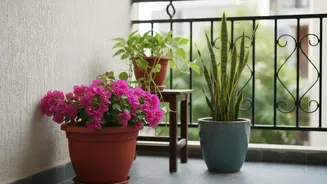
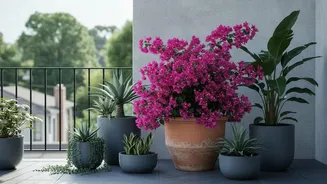
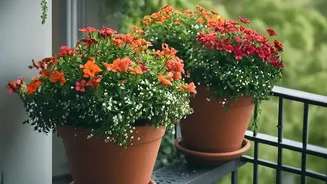
Known as the 'paper flower' in India, Bougainvillea is the undisputed king of sunny, hot balconies. It thrives in extreme heat and full sun, and its vibrant, papery bracts come in dazzling shades of pink, purple, orange, and white. Bougainvillea is remarkably drought-tolerant once established, making it perfect for containers where soil can dry out quickly. It prefers its soil to dry out between waterings, which helps it avoid the root rot that can plague other plants in humid weather. For a balcony, dwarf varieties are an excellent choice, providing a spectacular colour show without taking over the entire space.
The Hardy Hibiscus
A beloved flower across India, the Hibiscus is a fantastic choice for adding a tropical touch to your balcony. These plants love the sun and produce large, stunning blooms throughout the summer and monsoon seasons. While they appreciate regular watering, they are well-adapted to the heat and humidity of the Indian climate. To keep them happy in a pot, ensure the soil is well-draining and deadhead spent flowers to encourage a continuous supply of new buds. They come in a vast array of colours and are known to attract pollinators like butterflies.
The Persistent Portulaca (Moss Rose)
Often called Moss Rose or the 'Office Time Flower', Portulaca is a low-growing succulent that is built for heat and sun. Its fleshy leaves help it conserve water, and it produces a carpet of colourful, delicate flowers that open in the morning sun. This plant is exceptionally low-maintenance and is an ideal candidate for beginners or anyone with a very hot, sun-drenched balcony. It requires very little water and is perfect for hanging baskets or as a trailing plant in railing planters, adding a splash of cheer with minimal effort.
The Adaptable Adenium (Desert Rose)
As its name suggests, the Desert Rose is a succulent that is exceptionally good at handling heat and surviving with minimal water. It has a unique, swollen trunk called a caudex which stores water, making it incredibly resilient to drought. Adeniums produce beautiful, trumpet-shaped flowers in shades of pink and red and thrive in containers placed in direct sunlight. This plant demands well-draining soil and should be watered sparingly, especially during humid spells, to prevent its roots from rotting. Its sculptural form adds a dramatic architectural element to any balcony garden.
Essential Care Beyond Plant Choice
Choosing the right plant is half the battle; the other half is proper care. The biggest danger during a humid August is overwatering. Always check the soil before adding more water; push your finger an inch or two into the pot, and if it feels damp, wait another day. Ensure every pot has functional drainage holes to let excess water escape. Elevating pots on stands can improve air circulation and prevent them from sitting in stagnant water. A well-aerated potting mix, often combining soil with cocopeat and sand or perlite, will also help prevent the soil from becoming a waterlogged brick.