









Let Technology Be Your Co-Pilot
Before you even step out, your smartphone can be your most powerful tool. Don't just check the weather; use apps that provide real-time information on traffic and waterlogging. Apps from local municipal corporations, like the BMC's disaster management
tool in Mumbai, can offer specific alerts on traffic diversions and flooded spots. Similarly, apps like FloodWatch India provide forecasts for flood-prone areas across the country, giving you up to a seven-day heads-up. Using navigation apps with live traffic updates can help you identify and avoid choked routes, saving you precious time and stress. Some even allow users to report hazards, creating a crowd-sourced map of the chaos.
Assemble Your Monsoon Survival Kit
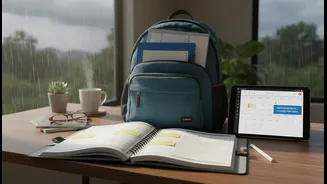
A well-packed bag is your first line of defence. Start with a waterproof backpack or a reliable rain cover to protect your electronics and documents. Inside, create a 'monsoon kit': a compact umbrella, a lightweight raincoat, and waterproof pouches or ziplock bags for your phone and wallet. One of the most common workday miseries is spending hours in damp shoes. Pack an extra pair of dry socks; it's a small item that makes a huge difference to your comfort. A small microfibre towel, a hand sanitiser, and a fully charged power bank are also non-negotiables, especially since heavy rains can cause unexpected delays and drain your battery as you navigate.
Rethink Your Route and Ride
Your usual route might not be the best one during a downpour. Waterlogged underpasses and overflowing drains can bring traffic to a standstill. If possible, identify two or three alternative routes to your workplace before the season begins. This might also be the time to switch your mode of transport. Metro and local train networks are often more reliable than roads during heavy rain. Apps like m-Indicator provide live updates on local trains, including delays and platform changes, which is invaluable for city commuters. If driving, ensure your vehicle is monsoon-ready with good tyre tread, working wipers, and effective brakes. Always slow down, increase the distance from the vehicle ahead, and never drive into deep, standing water where hidden potholes could cause serious damage.
Dress for Success, Not for Stress
Choosing the right attire can significantly impact your post-commute state. Opt for quick-drying fabrics and avoid materials like heavy denim or suede that absorb water and take forever to dry. Wearing waterproof, slip-resistant footwear is crucial for safety on slick pavements and in flooded areas. Many professionals find it useful to keep a complete spare set of clothes, including footwear, at the office. This allows you to change out of damp clothes as soon as you arrive, preventing you from shivering in an air-conditioned office and reducing the risk of catching a cold.
Master the Post-Commute Reset
You've made it to the office, but you're drenched and flustered. What you do in the next 15 minutes can determine your productivity for the rest of the day. Instead of heading straight to your desk, find a space to execute a quick 'arrival ritual'. Dry off properly, change into your spare clothes, and wipe down your wet belongings. Take a few deep breaths to calm your nerves after a stressful journey. Grab a warm drink, like tea or coffee, to help regulate your body temperature and provide a moment of comfort. This simple routine creates a mental boundary, allowing you to leave the commuting stress behind and transition into a focused and productive mindset for the workday ahead.