


1. The Headboard Wall
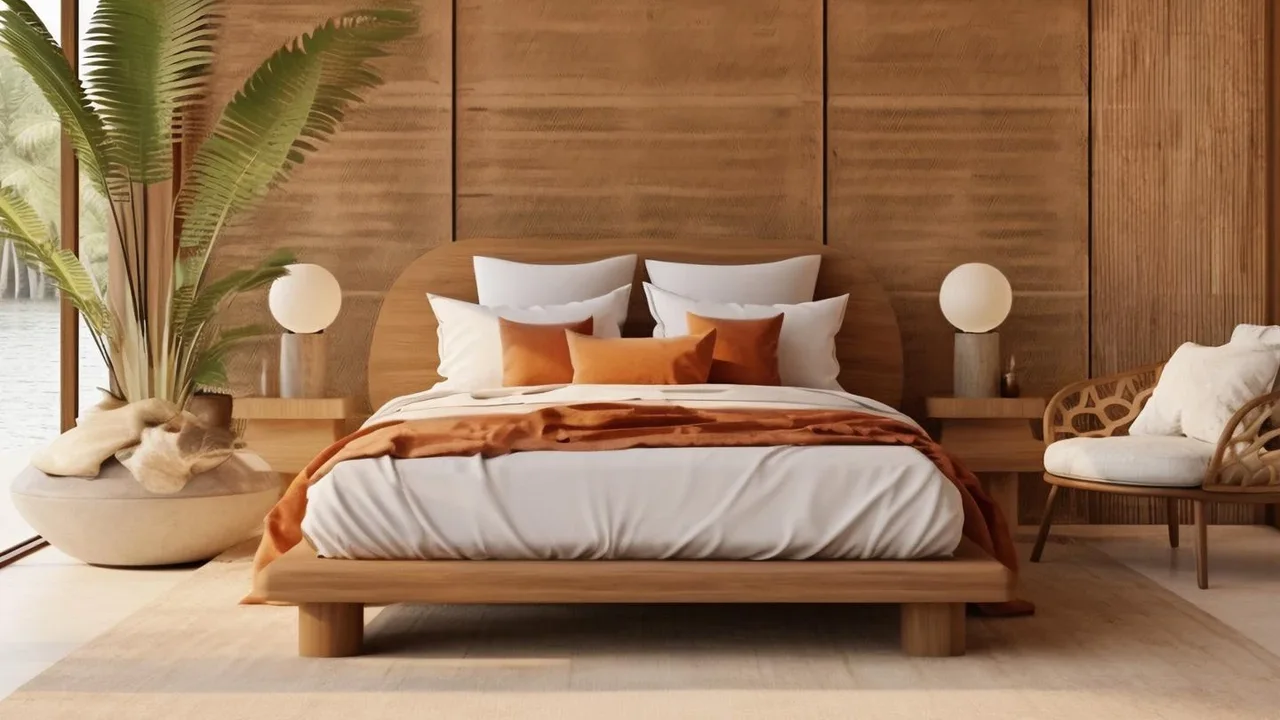
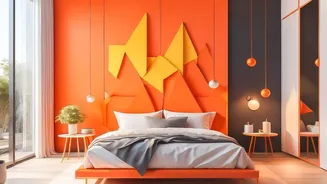
The most common and effective place for an accent wall is behind the bed. It instantly anchors the room's primary piece of furniture and creates a dramatic backdrop that frames your headboard and bedside tables. A bold colour here makes a statement without
overwhelming the space, as you don't face it directly when resting. For context, a deep, moody colour like charcoal, navy, or forest green can create a cosy, cocoon-like feeling ideal for a bedroom. This approach works especially well in rooms with neutral furniture, allowing the wall to serve as the main source of colour and personality.
2. The Fireplace Surround
If your living room has a fireplace, you already have a natural focal point. Painting the wall surrounding it in a bold, contrasting colour is a powerful way to enhance this architectural feature. A dark, dramatic shade can make the fireplace itself pop, lending a sense of grandeur and sophistication to the space. When choosing a colour, consider the materials of your fireplace. A warm, earthy tone can complement a traditional brick or stone surround, while a cool, deep jewel tone might contrast beautifully with a modern, minimalist mantelpiece. This classic move draws the eye, adds depth, and creates an inviting atmosphere perfect for gathering.
3. The Longest Unbroken Wall
In a living or dining room, the longest wall without doors or windows offers a perfect canvas for an accent colour. This is particularly effective in long, narrow rooms, as a dark or vibrant colour on the far wall can actually make the space feel wider by drawing the eye and foreshortening the perspective. It's a classic technique for adding visual interest to an otherwise plain room. A bold shade on this wall can serve as a backdrop for a large piece of art, a gallery wall, or a statement piece of furniture like a console or sideboard. The key is to ensure the wall is a natural focal point when you enter the room.
4. The 'Fifth Wall' Ceiling
Often overlooked, the ceiling provides a fantastic opportunity for a bold design statement. Painting the 'fifth wall' in a contrasting colour is an unexpected and sophisticated move that can dramatically alter the feel of a room. In a room with high ceilings, a dark colour can create a more intimate and cosy atmosphere. Conversely, in a room with standard or low ceilings, a vibrant, bright colour can draw the eye upward and add a playful, energetic touch without closing in the space. This works well in bedrooms, dining rooms, or even powder rooms where you want to add a dose of drama.
5. A Wall with Architectural Interest
Use a bold colour to highlight a wall that already possesses unique architectural details, such as built-in bookcases, wainscoting, or intricate moulding. By painting the entire feature—wall, shelves, and trim—in a single, saturated hue, you create a cohesive and high-impact look that feels custom and intentional. This technique transforms the architectural elements from a simple background feature into a deliberate and stylish focal point. A deep blue on a library wall or a rich green on a wall with board and batten can add a layer of texture and sophistication that elevates the entire room's design.