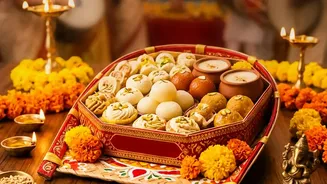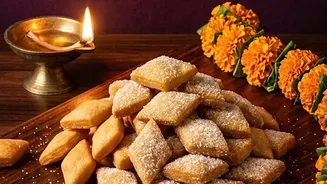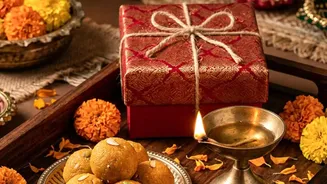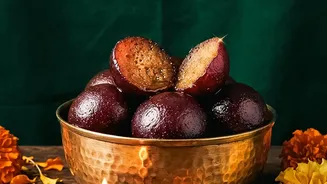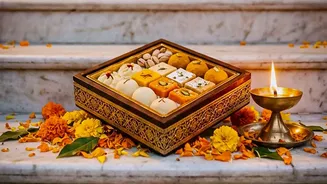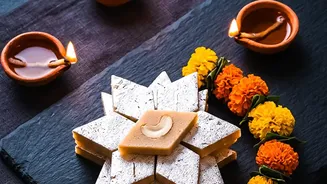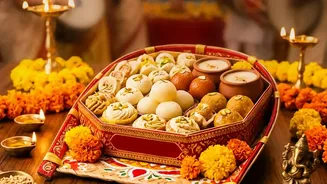



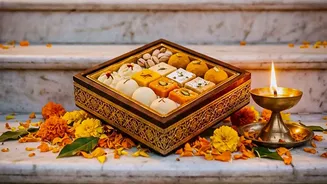
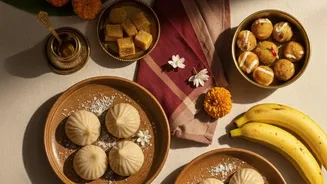
As Diwali 2026 approaches, so does the sweet dilemma: how to embrace the joy of mithai without the guilt. This year, let's reframe the conversation from restriction to mindful indulgence, celebrating tradition without making food a moral test.
Embrace Joy, Not Guilt
Diwali and
mithai are inseparable. These sweets are not just food; they are tradition, love, and celebration rolled into one. Yet, for the health-conscious, this time of year can feel like a battle between cultural joy and personal wellness goals. The key is to shift our mindset. Enjoying a ladoo is not a failure, and refusing one is not a virtue. The goal is balance, not perfection. Health is built on consistent habits, not on what you do over a few festive days. This Diwali, let's savour our favourite treats without guilt, focusing on connection and celebration.
The 'Healthier' Mithai Decoder
Making smarter choices starts with knowing what to look for. When preparing sweets at home or selecting them from a shop, a few ingredient swaps can make a significant difference. Opt for whole-grain flours like millet (ragi) or whole wheat instead of refined maida. For sweetness, move beyond refined sugar and explore natural alternatives like dates, anjeer (figs), jaggery, or honey. These not only sweeten but also add fibre and minerals. However, it's important to remember that even natural sweeteners are still sugar and should be consumed in moderation. Healthy fats from nuts, seeds, and desi ghee are far better than hydrogenated oils often found in commercial sweets.
Smart Swaps and Homemade Delights
Homemade sweets put you in complete control of the ingredients. Instead of a sugar-heavy kheer, try one made with foxtail millet and sweetened with date syrup. Dry fruit ladoos, bound together with dates and packed with nuts like almonds and walnuts, are a fantastic option that requires no added sugar. You can also make baked versions of traditionally fried items, such as gujiya or chakli, using an oven or air fryer to cut down on excess oil. Even classics like Gajar ka Halwa can be made healthier by reducing the ghee and using a natural sweetener like stevia. Other popular ideas include coconut burfi made with honey and cashews, or makhana kheer.
Mindful Indulgence Is The Real Secret
How you eat is just as important as what you eat. Instead of skipping meals to 'save calories' for a party—a strategy that often backfires and leads to overeating—have a small, protein-rich snack before you go. At gatherings, don't feel pressured to try everything on the table. Choose one or two sweets you genuinely love and savour them slowly. Pay attention to the flavours and textures. Eating slowly gives your brain time to register fullness, helping prevent overconsumption. Also, stay hydrated with water throughout the day.
Navigating Gifting and Social Pressure
Diwali involves a lot of social eating and gifting. If you're visiting friends and family, you don't have to refuse every treat offered. Accept a small portion graciously, or simply hold a piece without feeling obligated to finish it. When hosting, you can lead by example. Offer a mix of traditional and healthier options. A beautiful box of assorted nuts and dates, or a platter of homemade date and nut ladoos, makes a thoughtful and health-conscious gift. Ultimately, the focus of the festival is connection, not just the food.