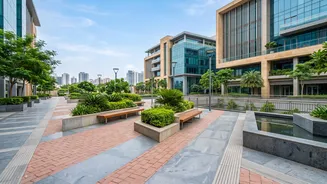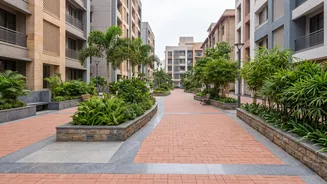






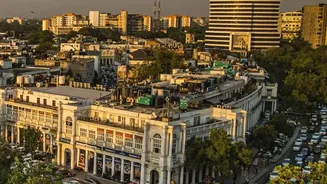


For decades, the Indian pavement has been an afterthought—a narrow, broken, and often encroached-upon strip of concrete. Now, a shift in urban planning is reimagining these spaces not just for walking, but for living.
A Philosophical Shift in Urban Design
Across a growing number of Indian
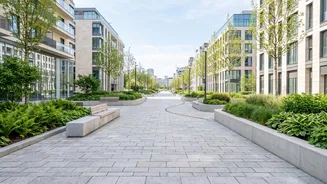
cities, authorities are looking at pavements with a new vision. The traditional view of a footpath as merely a corridor to get from one point to another is being replaced by the concept of 'placemaking'. This urban design philosophy prioritises people over infrastructure, aiming to create public spaces that are more than just functional. The goal is to transform neglected pavements into vibrant community hubs that encourage social interaction, cultural exchange, and a sense of local identity. This represents a fundamental move away from a car-centric development model, which has long dominated urban planning, towards a more holistic, pedestrian-friendly approach. Initiatives like the Ministry of Housing and Urban Affairs' 'Streets for People Challenge' are actively encouraging cities to test and adopt these new designs, signalling a nationwide push towards more liveable urban environments.
The Tangible Benefits of Walkable Spaces
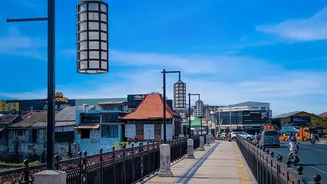
Reclaiming pavements for people yields significant social and economic returns. Well-designed, walkable public spaces are inherently safer, especially for women, children, and the elderly. The principle of 'eyes on the street', where active and engaged communities provide natural surveillance, helps deter crime and creates a more secure environment. Economically, the benefits are compelling. Pedestrian-friendly commercial streets attract more footfall, which can boost sales for local businesses. In Chennai, the transformation of Pondy Bazaar from a congested, car-centric road into a pedestrian plaza initially faced scepticism from shopkeepers. However, after the revamp, businesses saw sales pick up as the area became a destination for shoppers and tourists, proving that people-centric design can be good for the bottom line.
Pioneering Projects in Chennai and Bengaluru
Several cities are leading this transformation with tangible projects. Chennai's Pondy Bazaar pedestrian plaza is a prime example. What was once a chaotic shopping street is now a promenade with wide footpaths, seating areas, play equipment for children, and decorative lighting. This has turned the area into a 'third place'—a social hub outside of home and work where communities can gather. Similarly, Bengaluru's TenderSURE (Specifications for Urban Road Execution) project has upgraded numerous roads with a focus on pedestrians. These roads feature uniform traffic lanes, wide, continuous footpaths, and designated underground ducts for utilities to prevent constant digging. While not without challenges like high costs and coordination between multiple agencies, these projects have set a new standard for urban road design in the country.
Health, Environment, and the Future
The push for better pavements is also a response to pressing health and environmental concerns. Walkable cities encourage physical activity, which can help combat lifestyle diseases. A study on Chennai's new footpaths estimated that the increase in walking helped prevent hundreds of deaths annually from noncommunicable diseases. Environmentally, making walking a safe and pleasant option encourages people to leave their cars at home for short trips, which reduces traffic congestion, air pollution, and carbon emissions. With India's urban population projected to grow significantly, redesigning streets to be people-first is no longer a luxury but a critical strategy for creating sustainable, resilient, and liveable cities for the future.