








The Expert Verdict: Yes, It Works
The simple answer is a resounding yes. Experts across gastroenterology and dietetics agree that walking after a meal, especially dinner, is a beneficial habit. [6, 12] A gentle stroll can kickstart a cascade of positive effects within your body, turning
a simple walk into a powerful tool for your digestive health. Studies have shown that physical movement helps stimulate the stomach and intestines, which encourages food to move through your system more rapidly. [1] This process, known as gut motility, is crucial for efficient digestion and can help prevent that heavy, sluggish feeling. [6]
How Walking Aids Digestion
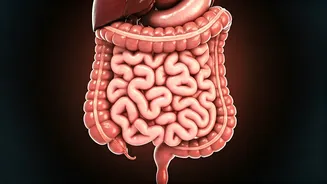
When you walk, you engage your core and abdominal muscles in a gentle, rhythmic way. [10] This movement, combined with gravity, helps guide food through the digestive tract. [10] It stimulates peristalsis, the series of wave-like muscle contractions that move food along. [5] By speeding up this process, walking can reduce the time food spends in your stomach, which may alleviate symptoms like bloating, gas, and indigestion. [1, 5, 7] In fact, some research suggests a 10-to-15-minute walk can be remarkably effective at reducing common gastrointestinal complaints like burping and bloating. [3]
Beyond Digestion: The Blood Sugar Benefit
Perhaps one of the most significant benefits of a post-dinner walk is its impact on blood sugar levels. After you eat, your body converts carbohydrates into glucose, which enters your bloodstream. [2] A walk activates your muscles, which then draw this glucose from the blood to use for energy. [2, 6] This helps prevent sharp spikes and subsequent crashes in blood sugar. This effect is so pronounced that even a two-to-five-minute walk can make a measurable difference. [3] This is particularly beneficial for individuals managing prediabetes or type 2 diabetes, but it's a healthy practice for everyone to maintain stable energy levels. [4, 7, 15]
The Perfect Stroll: Timing and Intensity
To get the most out of your post-dinner walk, timing and pace are key. Experts suggest starting your walk within about 10 to 30 minutes of finishing your meal. [1, 5, 12] This is when the benefits for both digestion and blood sugar management are most potent. [11] You don't need a marathon session; a walk lasting 10 to 20 minutes is widely considered the sweet spot. [4, 6, 14] The goal is a light to moderate pace. You should be able to carry on a conversation without feeling breathless. [13, 14] A high-intensity workout right after eating can divert blood away from your digestive system and may cause discomfort, so it's best to keep it gentle. [1, 14]
Other Health Perks
The advantages of a post-dinner walk don't stop with digestion and blood sugar. This simple habit contributes to your overall daily activity, which can support weight management by helping you burn extra calories. [1, 7] Regular walks are also excellent for cardiovascular health, helping to improve circulation and potentially lower blood pressure over time. [1, 7] Furthermore, a gentle walk can be a great way to de-stress after a long day, clear your head, and improve your mood, thanks to the release of endorphins. [3, 8] It can even contribute to better sleep quality, helping your body wind down naturally. [8]
Are There Any Downsides?
For most people, a gentle post-meal walk is perfectly safe and beneficial. However, some individuals might experience mild discomfort like cramps or indigestion if they walk too fast or too soon after a very heavy meal. [1] If this happens, try waiting 10 to 15 minutes before you start, and always keep the pace leisurely. [1, 5] The key is to listen to your body. [5] If you have any underlying health conditions, particularly related to your heart or digestion, it's always wise to consult with your doctor before starting a new exercise habit. [12]