






The Art of Simple, Soulful Living
First, what exactly is Japandi? It’s a design hybrid, a thoughtful mashup of Japanese minimalism and Scandinavian comfort. Think of it as the perfect middle ground. From Japan, it borrows the wabi-sabi philosophy—finding beauty in imperfection, simplicity,
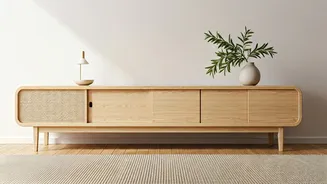
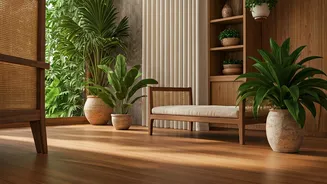
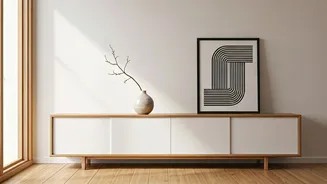
and natural materials. This means clean lines, functional furniture, and a deep respect for craftsmanship. From Scandinavia, it takes the concept of ‘hygge’ (pronounced hoo-gah), which is all about creating a cozy, warm, and inviting atmosphere. While pure minimalism can sometimes feel cold and stark, and Scandi design can lean heavily into rustic whites, Japandi merges the best of both. The result is a style that is minimal but warm, functional but soulful, and intentionally uncluttered without feeling empty. It’s a curated, calming aesthetic built on a neutral color palette, natural textures like wood, rattan, and linen, and a focus on pieces that are both beautiful and useful.
An Antidote to Urban Chaos
One of the biggest drivers of the Japandi craze in India is its role as a psychological balm. For millions of young professionals living in bustling, chaotic metropolises like Mumbai, Delhi, or Bengaluru, life outside the front door is an onslaught of noise, crowds, and constant stimulation. The home, therefore, transforms from a mere living space into a sanctuary—the one place where they can control their environment and find genuine peace. The Japandi aesthetic, with its emphasis on tranquility, order, and connection to nature, offers a direct and powerful antidote to urban stress. Stripping back the excess, eliminating clutter, and creating a visually quiet space becomes an act of self-care. It’s a conscious choice to build a personal haven that recharges the soul rather than a place that simply reflects accumulated possessions.
The Post-Pandemic Design Shift
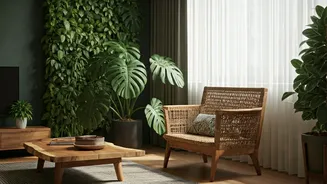
The COVID-19 pandemic radically and permanently altered our relationship with our homes. Suddenly, our living rooms became our offices, our bedrooms our gyms, and our kitchens our favorite restaurants. This shift forced a massive re-evaluation of domestic space. The need for a home that wasn't just beautiful but also highly functional, flexible, and, above all, pleasant to be in for 24 hours a day became paramount. Japandi’s core principles were perfectly suited for this new reality. Its focus on multi-functional furniture, clever storage solutions, and the creation of calm, focused zones resonated deeply with people adapting to a work-from-home lifestyle. The desire to bring the outdoors in, another Japandi hallmark, also grew as lockdowns limited access to nature, making houseplants and natural light more important than ever.
Modern Aesthetics, Indian Soul
For a generation of globalized Indians, Japandi also represents a modern aesthetic that breaks from the more traditional, ornate interior styles of their parents. Where older homes might feature dark, heavy furniture, rich colors, and intricate carvings, Japandi offers a lighter, more global look. However, this isn't a wholesale rejection of Indian heritage. Instead, what's emerging on social media is a fascinating fusion: ‘Indian-ized’ Japandi. Designers and homeowners are cleverly adapting the style, swapping out the typical light oak for locally sourced teak or sheesham wood, incorporating traditional Indian handicrafts like block-printed textiles or brass accents as feature pieces, and using a warmer, earthier palette inspired by the Indian landscape. This blend allows them to create a space that feels contemporary and clean while still being rooted in a distinct cultural identity.
Perfectly Curated for the ‘Gram
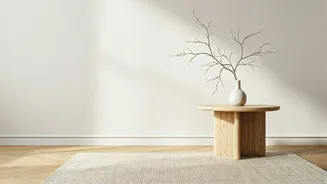
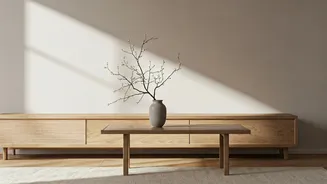
Let’s not forget the power of the algorithm. Japandi is incredibly photogenic. Its neutral background, beautiful play of light and shadow, and focus on a few well-chosen, aesthetically pleasing objects create visually stunning vignettes that are tailor-made for Instagram and Pinterest. Indian home decor influencers have been quick to embrace the style, showcasing their own Japandi-inspired makeovers and creating aspirational content that feels both beautiful and achievable. A single viral reel of a cluttered room transforming into a serene, organized space can launch a thousand similar projects. This creates a powerful feedback loop: influencers popularize the look, followers get inspired to try it, and the increased demand for Japandi-style furniture and decor further fuels the trend.