




A New Era for Indian Travel
Forget endless highways and hairpin bends. India's regional travel landscape is on the brink of a transformation, thanks to the introduction of commercial seaplane services. Part of the government's push to enhance regional connectivity under the UDAN
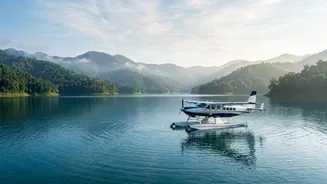
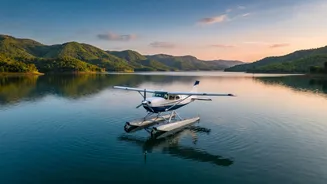
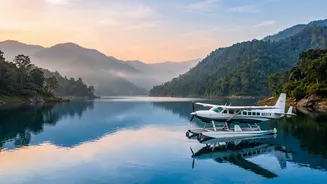
scheme, these amphibious aircraft can take off and land on water bodies, eliminating the need for traditional runways. This opens up a world of possibilities for accessing remote regions rich with lakes, rivers, and coastal fronts that were previously hours or even days away by road. Recent approvals and successful trial flights signal that this innovative mode of transport is finally taking wing.
From Hours to Minutes: The Uttarakhand Example
Nowhere is the impact more dramatic than in the Himalayan state of Uttarakhand. Successful test flights by operator SkyHop Aviation have been conducted on Tehri Lake, Asia’s largest man-made lake. For travellers, this is a game-changer. The drive from the state's capital, Dehradun, to the stunning Tehri reservoir can take over four hours on winding mountain roads. The proposed seaplane service will cut this journey down to a mere 25-minute scenic flight. Similar trials have been successfully completed at the Ganga Barrage in Rishikesh, paving the way for a circuit that connects major hubs directly to these adventure-tourism hotspots.
The Allure of the Journey
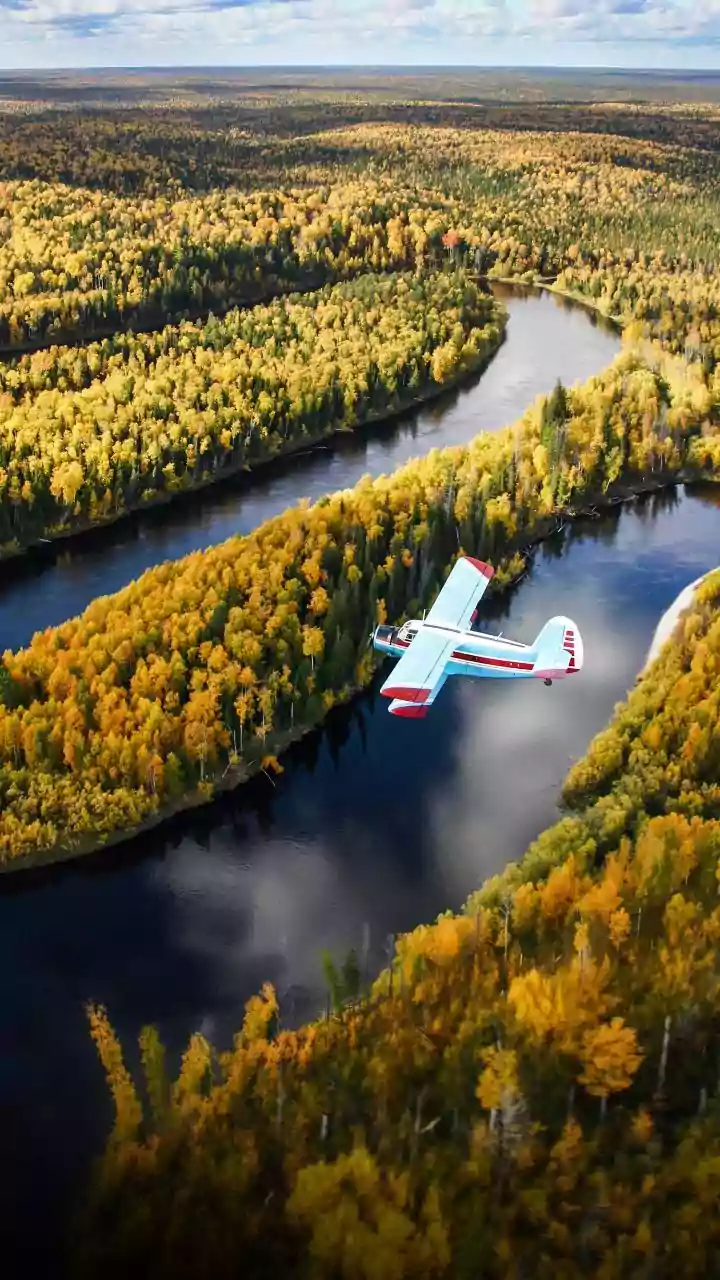
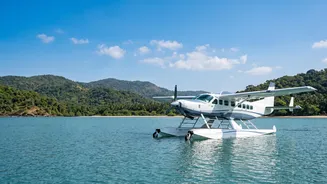
The appeal of seaplane travel extends beyond just saving time. The journey itself becomes a memorable part of the vacation. These 19-seater aircraft, like the De Havilland Canada DHC-6 Twin Otter, fly at lower altitudes than commercial jets, offering passengers breathtaking aerial views of the landscape below. The experience culminates in a thrilling yet smooth landing directly on the water, delivering you to the doorstep of your lakeside retreat. It’s an adventure that combines the romance of early aviation with modern convenience, turning a simple transfer into an unforgettable experience.
Beyond the Himalayas: A Nationwide Vision
While Uttarakhand has seen significant recent progress, the vision for seaplane travel is a national one. Under the government's regional connectivity scheme, dozens of routes have been identified across the country. In April 2026, SkyHop Aviation received its Air Operator Certificate, a major regulatory step toward launching commercial services. Initial focus areas include connecting the Lakshadweep islands to the mainland and to each other, a move that would drastically reduce reliance on long boat journeys. Similarly, states like Kerala have been awarded numerous routes connecting its airports to its famous backwaters, promising to revolutionize tourism in 'God's Own Country'.
What This Means for Travellers and Tourism
For travellers, this means that weekend trips to once-inaccessible resorts are now firmly on the table. Destinations like Tehri Lake, with its burgeoning scene of water sports, boating, and lakeside camping, will become significantly easier to reach. The development is expected to provide a major boost to local economies by attracting a new segment of tourists. As these corridors become operational, expect to see curated travel packages and new resorts emerging around these newly connected water aerodromes. This expansion not only enhances convenience but also opens up a more sustainable way to explore India's natural treasures, spreading tourism beyond the usual hotspots.