





The Usual Suspects
Every home cook knows the pain of discovering a forgotten bag of palak (spinach) turned to slime or a bunch of coriander that has lost its vibrant green. In the battle against food waste, these highly perishable items are the frontline. Leafy greens like
spinach, methi (fenugreek), and various salad leaves are notorious for their short shelf life. Other common culprits in Indian kitchens include fresh herbs like coriander and mint, mushrooms, berries, and soft vegetables like tomatoes and bell peppers. These items lose moisture and vitality quickly, often wilting or spoiling within just a few days of purchase. Understanding which of your groceries are on this fast track to the bin is the first step toward building a smarter, waste-free kitchen.
Adopt an 'Eat-Me-First' Strategy
The most effective way to combat produce spoilage is to plan your meals around the items that will go bad the fastest. Instead of deciding what to cook based on a whim, let your refrigerator’s contents guide you. Make it a rule to use up your most delicate produce within the first one to three days after your grocery run. This means meals featuring fresh leafy greens, mushrooms, and herbs should happen earlier in the week. Plan to cook palak paneer or a mushroom stir-fry on Monday or Tuesday, not Friday. This simple shift in mindset ensures that you are consuming your food at its peak freshness and getting the most nutritional value and flavour from your purchases.
A Simple Weekly Blueprint
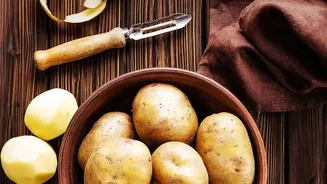
Structuring your week can make a world of difference. Think of your meal plan in two distinct phases. The first half of the week is dedicated to the perishables. This is the time for salads, saags, and dishes that rely on fresh herbs. The second half of the week is for the hardy survivors. Root vegetables like potatoes, carrots, and beets, along with onions, garlic, and cabbage, have a much longer shelf life and can be saved for later. A typical week might look like this: Days 1-3: Focus on meals with spinach, tomatoes, bell peppers, and fresh coriander. Days 4-7: Shift to cooking with potatoes, cauliflower, cabbage, and other long-lasting vegetables. This approach creates a natural rhythm in your kitchen and removes the daily guesswork of what to cook next.
Smart Storage Is Your Best Friend
How you store your produce is just as important as when you plan to eat it. Many items can have their lives extended with a few simple tricks. For leafy greens and herbs like coriander, wrap the unwashed stems in a damp paper towel or cloth and store them in the refrigerator. This helps them retain moisture and stay crisp. Mushrooms, on the other hand, should be kept in a paper bag, which allows them to breathe and prevents them from becoming slimy. Tomatoes should be kept on the counter until ripe, as refrigeration can make them mealy and dull their flavour. Berries should also be stored in the fridge but remain unwashed until just before you eat them to prevent mold.
The 'Use-It-Up' Rescue Mission
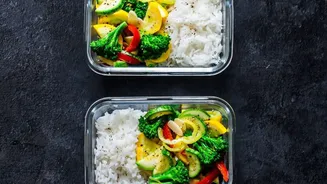
Even with the best-laid plans, you might find yourself with vegetables that are on the brink. This is when you need a few go-to rescue recipes. A quick stir-fry is a perfect way to use up a medley of vegetables like bell peppers, carrots, broccoli, and cabbage. Soups are another forgiving option; you can toss almost any vegetable into a pot with some broth and spices. For produce that is slightly soft, roasting can bring out its sweetness. Vegetables can also be chopped and added to omelettes, frittatas, or pasta salads. And for overripe fruit or wilting greens, a smoothie is the ultimate quick fix.