


Master the Art of Smart Freezing
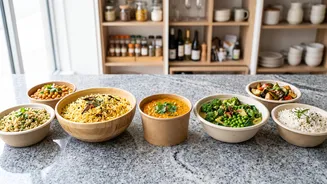
Freezing is your best friend for preserving the taste of the festival. Most Indian dishes freeze remarkably well, especially sauce-based curries, dals, and even biryani. The key is to do it correctly. First, cool food completely before freezing to prevent
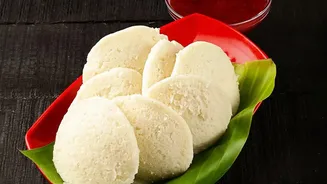
ice crystals from forming and ruining the texture. Use airtight containers or zip-lock bags, removing as much air as possible to avoid freezer burn. Label everything with the dish name and date. Most cooked dishes last well for 3-6 months. Dishes like chana masala, rajma, and meat curries are ideal candidates. Even idlis and certain koftas freeze beautifully. However, be cautious with cream or yogurt-based curries as they can sometimes split upon reheating; it's often better to freeze the base and add dairy later. For breads like parathas or naans, stack them with parchment paper in between so they don’t stick.
Tips for Safe Thawing and Reheating
How you reheat your frozen treasures is just as important as how you freeze them. Microwaving is fast, but it isn't always the best method. For crispy items like samosas or cutlets, an oven or air fryer is far superior, restoring their crunch instead of making them soggy. For dals, khichdi, and other moist dishes, steaming is a gentle way to bring them back to life without drying them out. Most gravies and sabzis are best reheated in a kadhai on a low flame. You can add a splash of water or milk to loosen the consistency. Always ensure the food is piping hot throughout before serving to ensure it's safe to eat. Avoid refreezing food once it has been thawed. It's best to freeze in portion sizes you are likely to consume in one go.
Give Leftovers a Creative New Life
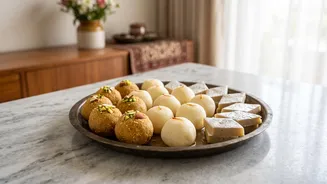
Repurposing leftovers is where the real culinary magic happens, turning yesterday's feast into an exciting new meal. Don't just reheat—reimagine. Leftover sabzi or bhurji can become a delicious stuffing for parathas or sandwiches. Plain rice can be transformed into flavourful masala rice by stir-frying it with leftover gravy or vegetables. Turn leftover biryani into crisp patties or tikkis. Old ladoos or other dry sweets can be crumbled and used as a base for a cheesecake or layered in a parfait with spiced cream. Leftover dal is particularly versatile; it can be used to make Dal Dhokli, a comforting Gujarati dish, or even kneaded into dough for flavourful rotis. Thinking creatively not only prevents boredom but also honours the effort that went into cooking the initial meal.
Share the Joy, Safely and Thoughtfully
The spirit of festivals is about sharing, and that can extend to your excess food. Sharing with neighbours, community helpers, or local security staff is a wonderful gesture. When sharing, hygiene is paramount. Use clean, secure containers and inform the recipient about the ingredients, especially potential allergens. If you have larger quantities of untouched food from a party, consider connecting with a local NGO. Organisations like Feeding India and the Robin Hood Army operate in many cities, collecting surplus food from events and distributing it to those in need. Many cities also have local food banks or community fridges. The Food Safety and Standards Authority of India (FSSAI) even has regulations and alliances to facilitate the safe donation of surplus food, ensuring it reaches the hungry safely.