
Create a Safe Haven
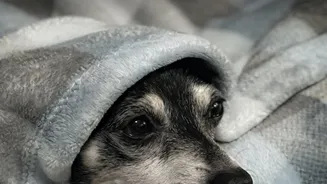
The first step in managing a shy pet's anxiety is to establish a secure space where they can retreat. This shouldn't be a place of punishment, but a comfortable den-like area. A crate with a soft blanket, a quiet back room with their bed and a favorite
toy, or even a cozy corner can work. Before guests are expected, train your pet to go to this spot using a command and reward them with treats and praise when they comply. The goal is for them to associate this space with safety and comfort, giving them a place to go when they feel overwhelmed. For cats, this might be a small room with fewer hiding places than a bedroom, ensuring they don't simply vanish under a bed. A white noise machine or calming music can also help muffle the sounds of arriving guests.
Read Their Body Language
Understanding your pet's silent signals is crucial. Many owners miss the subtle signs of stress that come before more obvious reactions like growling or hiding. For dogs, look for yawning when not tired, excessive lip licking, a tucked tail, or showing the whites of their eyes (known as 'whale eye'). Cats signal fear with flattened ears, a twitching tail, crouching low to the ground, or dilated pupils. Recognizing these early cues allows you to intervene and create more space for your pet before their anxiety escalates. Forcing interaction when they are showing these signs can increase their fear and potentially lead to defensive reactions.
Manage the Arrival
The moment visitors walk through the door is often the most stressful. You can reduce the initial shock by managing this interaction carefully. Ask your guests to call or text before they ring the doorbell, giving you time to put your pet in their safe space or on a leash. Keeping a dog on a short leash can help them feel more secure and gives you control, preventing jumping or bolting. Instruct your guests ahead of time to ignore your pet when they first arrive. Advise them to avoid direct eye contact, loud noises, and sudden movements, as these can be intimidating.
Empower Your Pet with Choice
The core of this approach is allowing your pet to decide when and how they interact. Never force your pet to greet a visitor. Let them approach guests on their own terms. If your pet chooses to stay in their safe space, respect that decision. If they venture out, let them sniff from a distance. The power to approach, investigate, and retreat gives a shy animal a sense of control that is essential for building confidence. You can help by having your guest sit down, making them appear smaller and less threatening. Letting the pet initiate contact, like rubbing against a leg or sniffing a hand, is a positive sign.
Use Positive Reinforcement
Turn a scary situation into a rewarding one. The key is to help your pet associate visitors with good things. High-value treats—like small pieces of chicken or a favorite special snack—can be a powerful tool. Have your visitor gently toss a treat in the pet's direction without making eye contact. This creates a positive connection without the pressure of direct interaction. Every time your pet shows calm behavior in the presence of a guest, reward them with a treat or quiet praise. This method, known as counter-conditioning, gradually changes your pet's emotional response from fear to anticipation.