







A Closer Look at the Gujarat Study
Researchers in Gujarat conducted a cross-sectional study involving 465 adults, aiming to understand the relationship between eating speed, body composition, and physical activity. Participants, aged between 18 and 65, had their body mass index (BMI),
body fat percentage, visceral fat, and resting metabolism measured. Their eating speed was determined through a questionnaire. The study's goal was to see if how quickly people eat is associated with key indicators of obesity and health.
The Link Between Speed and Composition
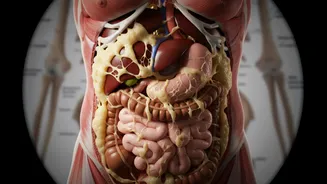
The findings were quite specific. The study revealed a significant association between eating speed and two key measures: BMI and visceral fat. Fast eaters were found to have notably higher levels of both compared to their slower and moderate-paced counterparts. Visceral fat is the deep abdominal fat that surrounds your organs, and higher levels are linked to increased health risks. Interestingly, the research did not find a significant link between eating speed and overall body fat percentage or resting metabolism. This suggests that while fast eating may not affect all aspects of body composition, it shows a clear association with higher BMI and more dangerous visceral fat.
Why Does Eating Slowly Make a Difference?
So, what's the science behind this connection? It's largely about the communication between your stomach and your brain. It takes approximately 20 minutes for your brain to receive and process satiety signals—the feeling of being full. When you eat too quickly, you can easily consume more food than your body actually needs before this signal kicks in. Slower eating gives your body time to release appetite-regulating hormones that tell you when you've had enough, which can help prevent overeating and subsequent weight gain. Fast eating can also lead to larger fluctuations in blood sugar, which may contribute to insulin resistance over time.
Beyond Body Fat: Other Health Considerations
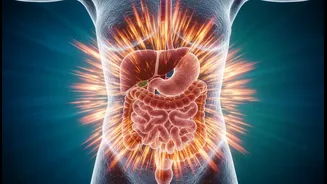
The implications of gobbling down your food extend beyond just weight. Rapid eating is associated with a range of other health issues. It can increase the risk of developing Type 2 diabetes and metabolic syndrome—a cluster of conditions including high blood pressure and high cholesterol. Many fast eaters also report digestive problems like bloating and indigestion, which can happen when food isn't chewed sufficiently, forcing the stomach to work harder. Furthermore, rushing through a meal often means you don't fully savour or enjoy the experience, turning what could be a pleasant break into a purely functional act.
Putting It Into Practice: Simple Tips to Slow Down
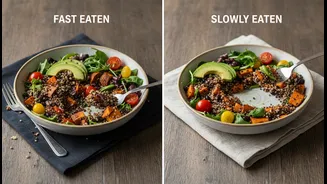
The good news is that modifying your eating speed is a practical, no-cost behavioural change. The researchers in the Gujarat study suggest it could be a feasible intervention to help reduce obesity. To start eating more mindfully, try putting your fork down between bites. Make a conscious effort to chew each mouthful more thoroughly; one study found that when men were asked to chew 40 times instead of 15, they consumed less food. Avoid eating while distracted by screens, as this often leads to mindless, rapid consumption. Drinking water during your meal can also help you pace yourself. By turning your attention to the act of eating, you not only support your digestive health but also give your brain the time it needs to register fullness, potentially improving your overall health in the long run.