




Why Gold is Getting More Expensive
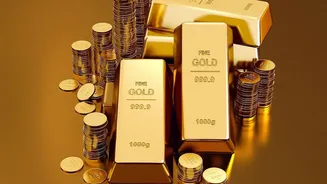
Several factors are pushing gold prices upward in India. Globally, economic uncertainty and a weaker U.S. dollar tend to make gold, a safe-haven asset, more attractive to investors. Domestically, the value of the Indian rupee against the dollar plays
a crucial role; a weaker rupee makes imported gold more expensive. Furthermore, government policies, including import duties and GST, add to the final cost. Finally, strong demand during festive and wedding seasons consistently puts upward pressure on local prices. Recent trends show that after a correction, prices have been recovering, driven by these combined forces.
Decoding the Jeweller's Bill
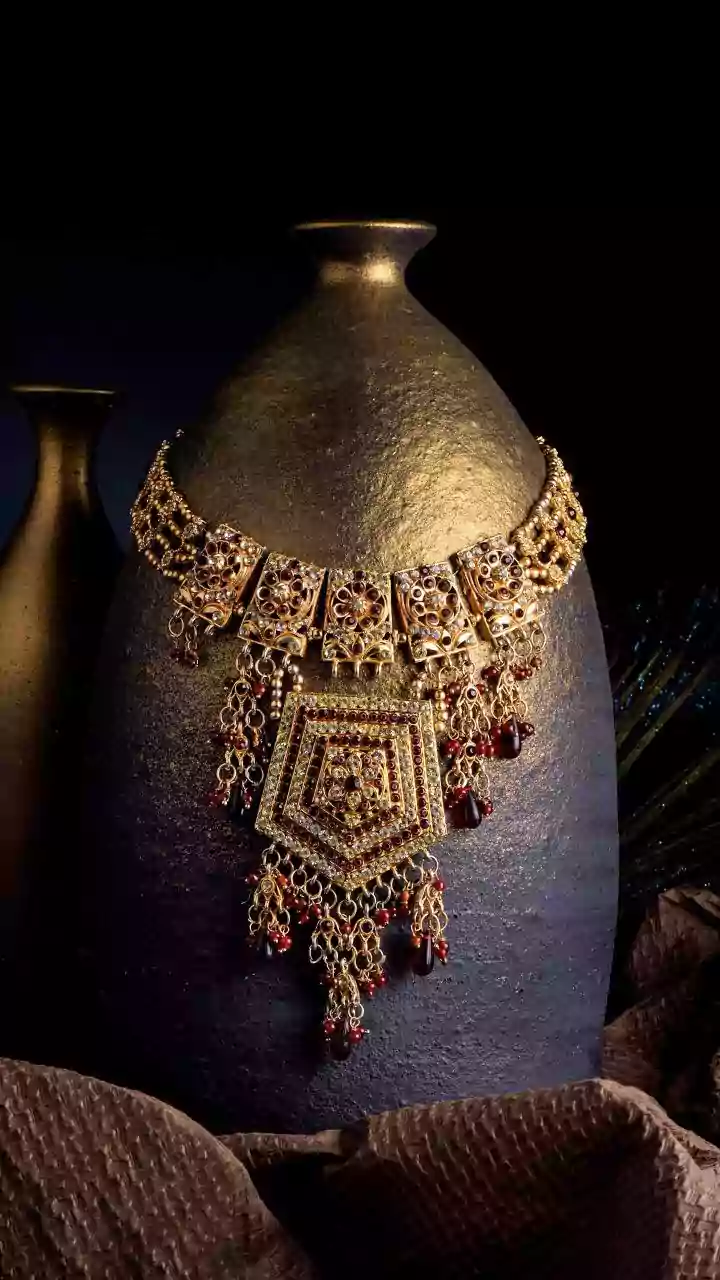
The price tag on a piece of jewellery is more than just the value of the gold. The final cost is a sum of several components. First is the base price of gold, which depends on its purity (24K, 22K, or 18K). On top of this, jewellers add 'making charges' to cover the cost of craftsmanship. These charges can be a fixed rate per gram or a percentage of the gold's value, typically ranging from 5% to over 25% for intricate designs. Lastly, a 3% Goods and Services Tax (GST) is applied to the total value of the gold and the making charges. Understanding this breakdown is the first step to knowing what you're paying for.
Your Non-Negotiable Purity Check: BIS Hallmark and HUID
To ensure you are getting the purity you pay for, always look for the Bureau of Indian Standards (BIS) Hallmark. This mark certifies the gold's purity. Since 2021, the hallmark includes a mandatory 6-digit alphanumeric Hallmark Unique Identification (HUID) code. This code is unique to each piece of jewellery and provides traceability, confirming the jeweller, the hallmarking centre, and the purity. You can instantly verify this code using the BIS CARE mobile app, giving you complete peace of mind about your purchase's authenticity. Never buy gold jewellery without a clear BIS hallmark and HUID.
The Art of Negotiating Making Charges
While the price of gold is non-negotiable, making charges often are. These charges are the jeweller's compensation for labour and design, and they vary widely. Machine-made jewellery or items with simpler designs usually have lower making charges, while complex, handcrafted pieces command higher rates. Jewellers may calculate this as a fixed amount per gram or as a percentage. Don't hesitate to ask for a discount on these charges, especially on larger purchases or during festive seasons when jewellers run promotional offers. Comparing making charges across different stores can also lead to significant savings.
Beyond Jewellery: Physical vs. Digital Gold
For those focused purely on investment, buying physical jewellery may not be the most efficient route due to making charges, which are not recovered on resale. Consider alternatives. Gold coins and bars have much lower making charges. Beyond that, you can invest in gold digitally. Options like Gold Exchange Traded Funds (ETFs) and Sovereign Gold Bonds (SGBs) are traded on stock exchanges and don't involve physical storage hassles or making charges. Digital gold platforms also allow you to buy 24K gold in small denominations, making it accessible for systematic investing. Each option has its own benefits regarding liquidity, regulation, and cost, so it's wise to choose based on your financial goals.
Common Mistakes First-Time Buyers Should Avoid
Navigating the gold market for the first time can be tricky. A primary mistake is ignoring the BIS hallmark and HUID, which is your only guarantee of purity. Another common error is focusing only on the design while overlooking the high making charges, which can inflate the price significantly. Always ask for a detailed bill that breaks down the gold rate, weight, making charges, and GST. Finally, don't forget to inquire about the jeweller's buy-back or exchange policy. Knowing the terms beforehand can save you from surprises if you decide to sell or upgrade your jewellery later.