



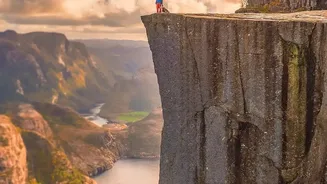
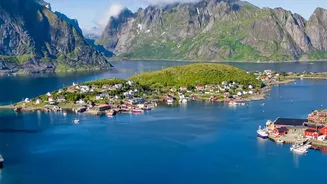
1. The Lofoten Islands: Picture-Perfect Peaks
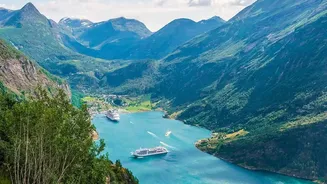
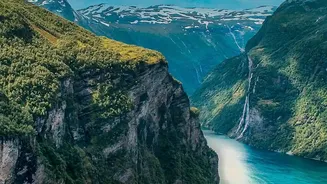
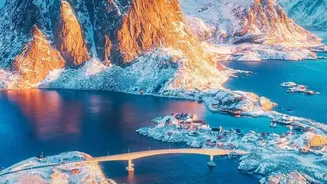
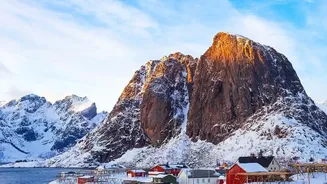
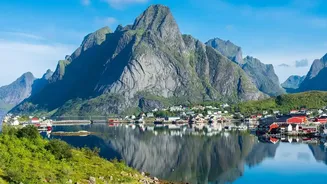
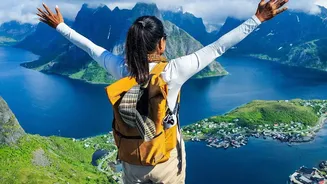
Arguably Norway's most famous archipelago, Lofoten is a chain of islands known for its dramatic scenery where mountains jut straight out of the sea. Located above the Arctic Circle, it’s a paradise for hikers, photographers, and anyone seeking postcard-perfect
views. The islands are connected by tunnels and bridges, making them accessible for a stunning road trip along the E10 route. Quaint fishing villages with their iconic red cabins, known as 'rorbuer', offer charming accommodation. In summer, you can experience the midnight sun, while winter brings the chance to witness the Northern Lights dancing across the sky.
2. Senja: Norway in Miniature
Often called 'Norway in Miniature', Senja is the country's second-largest island and offers a diverse taste of Norwegian landscapes. Its western coast features a National Scenic Route with plunging fjords, steep mountains, and idyllic fishing hamlets. The island is a hiker's dream, with famous trails like Hesten providing iconic views of the pointed Segla peak. Despite its beauty, Senja remains less crowded than Lofoten, offering a sense of wild, untouched nature for those willing to venture off the beaten path. You can spot wildlife like sea eagles and reindeer, or enjoy activities from kayaking to snowshoeing, depending on the season.
3. Sommarøy: The Summer Island
With a name that literally means 'Summer Island', Sommarøy lives up to its title. Located west of Tromsø, this small archipelago is famous for its shockingly white sandy beaches and turquoise waters that could be mistaken for the Caribbean—if not for the crisp Arctic air. For 69 days in summer, the midnight sun never sets, creating a timeless atmosphere where locals famously pushed to become a 'time-free zone'. It’s an ideal spot for kayaking around the smaller islets, hiking to viewpoints for panoramic ocean vistas, or simply relaxing on the beach under the endless sun.
4. Runde: The Bird Island
For wildlife enthusiasts, Runde is an unmissable destination. This small island on the west coast is home to one of Norway’s most famous bird cliffs. Between April and August, hundreds of thousands of seabirds come here to nest, including a massive colony of puffins. Visitors can hike up the island's grassy slopes in the evening to watch the charming puffins return to their burrows. The cliffs also host gannets, kittiwakes, and great skuas, while white-tailed eagles can often be seen soaring overhead. It’s a staggering display of nature in a compact and accessible setting.
5. Svalbard: A Deep Dive into the Arctic
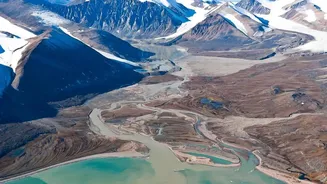
The final destination on our list is not just an island, but an entire archipelago deep in the Arctic Ocean: Svalbard. Lying halfway between mainland Norway and the North Pole, it is a realm of extreme beauty, governed by nature and home to more polar bears than people. This is a land of vast wilderness, dominated by glaciers, stark mountains, and a unique community in the main settlement of Longyearbyen. Exploring Svalbard requires respect for its powerful environment, with guided expeditions essential for safety.
Svalbard's Glaciers and Wilderness
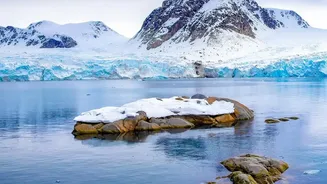
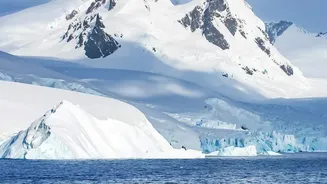
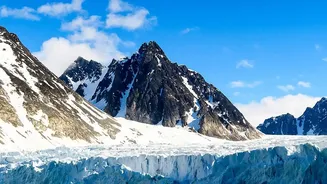
Nearly 60% of Svalbard is covered by glaciers, ranging from small valley glaciers to enormous ice caps like Austfonna, one of the largest in the world. These rivers of ice have shaped the dramatic landscape for thousands of years, carving deep fjords and jagged peaks. Many glaciers are 'tidewater glaciers', meaning they flow directly into the sea, where they calve icebergs with a thunderous crash. The ice itself is a natural archive, with layers containing information about climate history going back centuries. Some glaciers are even accessible for guided hikes and ice caving, offering a surreal journey into a world of blue, frozen light.
Wildlife in the High Arctic
Svalbard's wildlife is resilient and perfectly adapted to the harsh conditions. The 'king of the Arctic', the polar bear, roams the sea ice, making it crucial for visitors to travel with armed guides. On land, you can find the unique Svalbard reindeer and the nimble Arctic fox. The surrounding waters are rich with marine life. Nineteen species of marine mammals are found here, including walruses, which often haul out on beaches in large groups, and several species of seals and whales, such as belugas and humpbacks, that frequent the fjords in summer.