


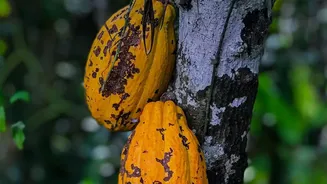

From Industrial Bar to Artisanal Craft
For decades, chocolate in India meant mass-produced bars from large corporations. The narrative, however, has changed dramatically over the last ten years with the rise of the bean-to-bar movement. Unlike industrial chocolate, where makers often use pre-made
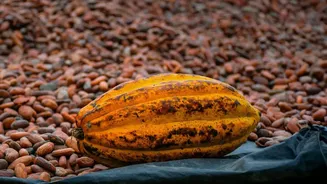
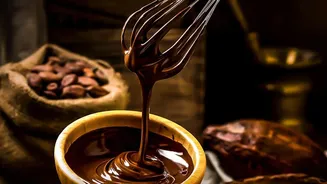
chocolate liquor, bean-to-bar artisans control the entire process. It starts with sourcing dried cacao beans directly from farms, followed by roasting, grinding, conching (a process of intense mixing to develop flavour), and tempering the chocolate themselves. This meticulous approach allows for greater control over the final product's flavour profile, celebrating the unique characteristics of the cacao bean. The result is a chocolate that is less about sugary sweetness and more about complex, nuanced notes that can range from fruity and floral to nutty and spicy, reflecting the bean's origin or 'terroir'.
The South Indian Cacao Connection
The heart of this movement beats in South India. The states of Kerala, Andhra Pradesh, Tamil Nadu, and Karnataka provide the ideal hot and humid climate for growing high-quality cacao. Regions like the Idukki district in Kerala, nestled in the Western Ghats, are becoming particularly famous for their fragrant, flavourful beans. Here, cacao is often grown as an intercrop alongside spices like black pepper and cardamom, and fruits like banana and coconut. This practice of agroforestry not only supports biodiversity but also subtly influences the flavour of the cacao beans, lending them unique aromatic notes. A new generation of chocolatiers is now working directly with these farmers and cooperatives, ensuring fair prices and championing sustainable agricultural practices. Brands like Soklet have taken this a step further, operating as 'tree-to-bar' makers, growing their own cacao on plantations in the Anamalai foothills.
Artisans Redefining Taste and Terroir
This movement is led by passionate entrepreneurs and innovators who are reimagining Indian chocolate. Early pioneers like Mason & Co, based in Auroville, focus on organic, vegan, single-origin bars that let the South Indian cacao shine. Others, like Kochi-based Paul and Mike, are known for incorporating fine-flavour cacao with unique local ingredients, creating bars with infusions of sitaphal and jamun. In Hyderabad, Manam Chocolate has created an immersive experience, working directly with hundreds of farmers to highlight single-farm cacao, telling the story of the people and places behind each bar. These brands, and others like Bon Fiction in Andhra Pradesh and Naviluna in Mysuru, are not just making chocolate; they are creating an identity for Indian cacao on the global stage, winning international awards and challenging the long-held dominance of Swiss and Belgian brands.
The New Language of Premium Gifting
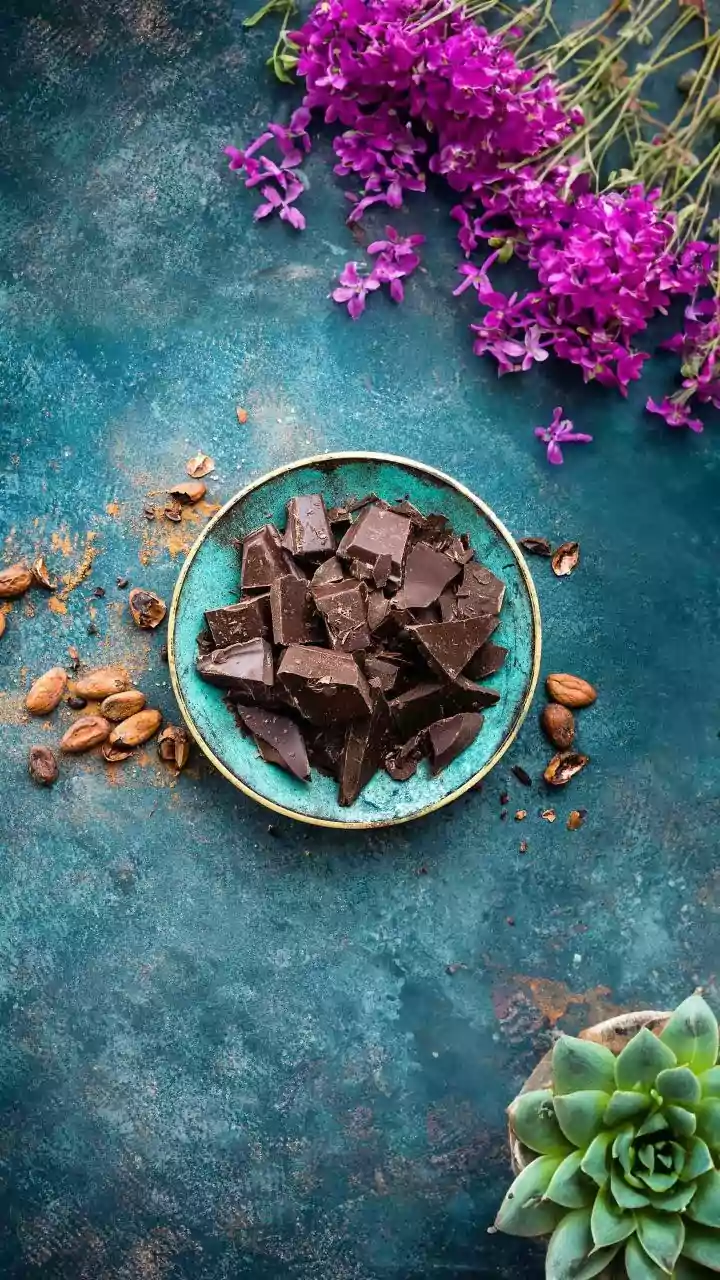
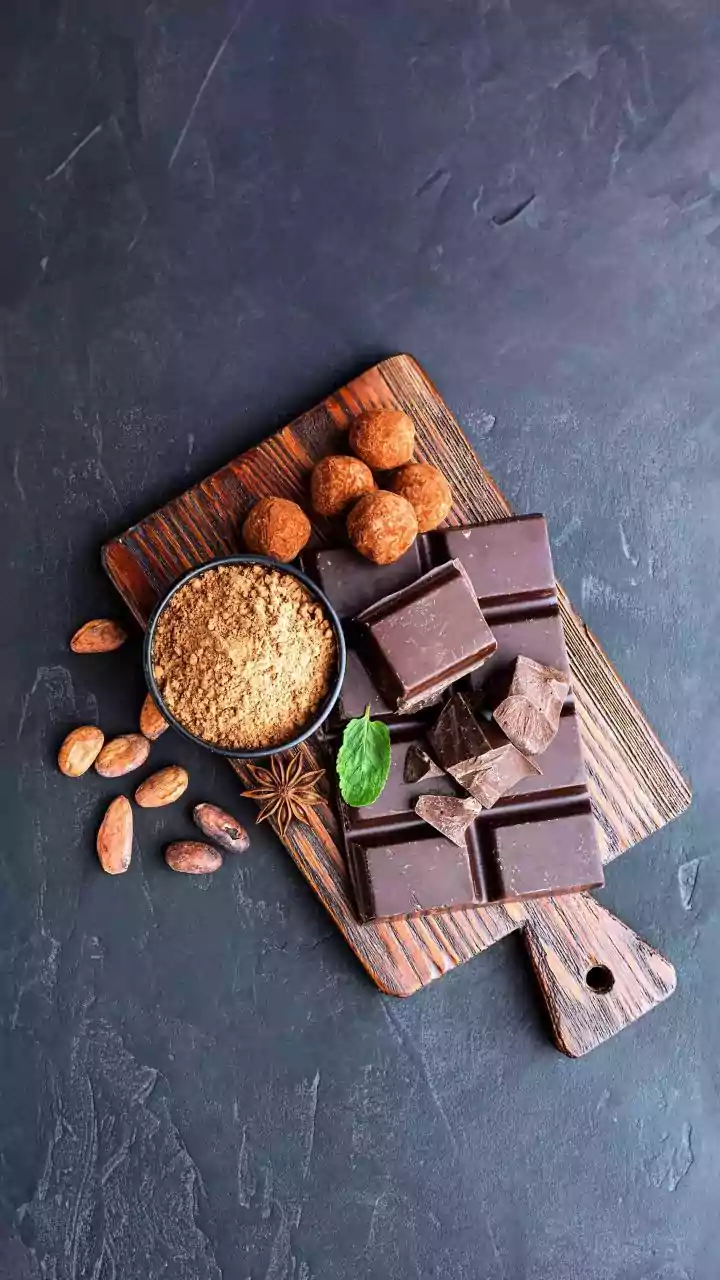
This shift towards artisanal quality has found a perfect home in India's booming premium gifting market. Gifting a bar of Indian craft chocolate is no longer just about giving a sweet treat; it's about sharing a story of origin, craft, and sustainability. Consumers are increasingly drawn to products that are ethically sourced and locally made. These chocolates, often presented in beautifully designed, eco-friendly packaging, feel personal and thoughtful. They offer a sensory journey, with unique flavour profiles inspired by Indian cuisine—from filter coffee and masala chai to mango with a hint of chilli. Instead of being a small part of a larger gift hamper, these distinctive chocolates are now anchoring the gift itself, establishing a new parallel category of premium, homegrown luxury.