


The New Movie Trailer
Forget the two-and-a-half-minute trailer you used to wait for in the theatre. Today, a film's first and most crucial marketing battle is won or lost in 15-second bursts on apps like TikTok and Instagram Reels. Studios and fans alike now slice movies into
their most potent, meme-able moments. A specific line of dialogue, a viral sound, or a dramatic character introduction becomes a trend that millions of users can co-opt. This has proven incredibly effective. Research shows that ad campaigns on platforms like TikTok can significantly boost ticket sales and viewership, especially among younger audiences who might otherwise be hard to reach. Instead of selling a film's plot, this new marketing sells a vibe, an aesthetic, or a single powerful emotion, encouraging users to discover films organically through their feeds.
Attention Spans or Evolving Tastes?
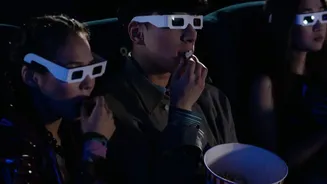
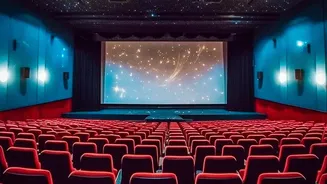
The common narrative is that our attention spans have collapsed, making two-hour movies a tough sell for a generation raised on rapid-fire content. While it's true that surveys show younger generations prefer shorter movie lengths, the reality is more nuanced. The idea that we now have the attention span of a goldfish is a debunked myth. Instead of a lack of focus, it's a change in engagement. Audiences, particularly Gen Z, are still flocking to cinemas for long films, proving they are willing to commit their time for the right experience. However, they expect content to earn their attention quickly. Short videos have trained viewers to value an immediate hook. This doesn't mean long-form storytelling is dead; it means the competition for our undivided attention is fiercer than ever. The cinema offers a rare, distraction-free environment that many young people crave as an escape from the constant noise of their digital lives.
Everyone's a Critic
Short-form video has democratised film criticism. The #FilmTok community has become a powerful force, where creators with millions of followers review new releases, unearth hidden gems, and create elaborate video essays on everything from cinematography to character arcs. These creators often build more authentic, personal connections with their followers than traditional critics or even actors. Studios are taking notice, collaborating with these influencers for premieres and promotions. This user-generated content creates a dynamic conversation around a film, extending its life and cultural relevance. Fan-made edits can re-contextualize scenes, celebrate performances, and generate a level of organic buzz that a studio's marketing budget can't always buy. This interactive fandom turns passive viewing into active participation.
Is Cinema Itself Changing?
With marketing and audience habits shifting so dramatically, the inevitable question is whether the films themselves will change. There's a growing discussion about whether filmmakers are now creating movies with 'TikTok-able' moments in mind. This could mean writing more quotable one-liners, designing more visually striking (and easily clippable) scenes, or structuring narratives around high-impact moments that are perfect for sharing. While this can make films more accessible and marketable, it also raises concerns. Critics worry that a focus on creating viral snippets could come at the expense of patient storytelling and nuanced character development. Reducing a film to its most thrilling climaxes in short clips can lead to spoilers and discourage people from watching the entire work. The art of cinema is being pulled in two directions: the immersive, long-form theatrical experience and the fragmented, bite-sized world of social media.