





Why Monsoon Magnifies the Risk
The connection between the rainy season and foodborne illness is environmental. Heavy rains can overwhelm drainage and sewage systems, leading to waterlogging and the contamination of municipal water supplies with harmful microbes. This contaminated water can find
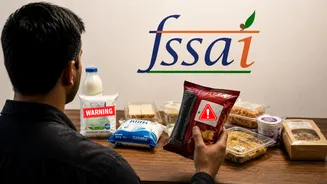
its way onto fresh produce at multiple points, from irrigation on the farm to washing by vendors at the market. The high humidity and ambient temperatures typical of the Indian monsoon create the perfect breeding ground for bacteria like E. coli, Salmonella, and Listeria, which can multiply rapidly on leafy greens and cut vegetables. The Food Safety and Standards Authority of India (FSSAI) specifically warns that the risk of gastrointestinal infections rises significantly during this season.
The Journey of Contamination
Vegetables, especially leafy greens like spinach, lettuce, and cabbage, are highly susceptible to contamination. If farms use contaminated surface water for irrigation, pathogens can get onto the produce before it's even harvested. Furthermore, research shows that some bacteria can be absorbed into the plant's tissues, making them impossible to remove by simple washing. Once at the market, produce might be sprayed with non-potable water to keep it looking fresh. At home, if the tap water itself is compromised, washing your vegetables can inadvertently spread pathogens rather than remove them. Cross-contamination is another major concern; using the same cutting board or knife for raw meat and then salad ingredients can easily transfer harmful bacteria.
Key Culprits and Their Symptoms
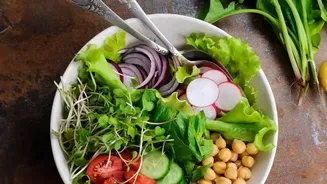
The primary microbial threats lurking in improperly washed raw salads are bacteria like Salmonella, E. coli, and Listeria, along with viruses such as Norovirus and parasites. These pathogens are leading causes of foodborne illnesses, often called gastroenteritis or food poisoning. Symptoms typically include stomach cramps, diarrhoea, vomiting, and fever. While most healthy adults recover within a few days, these infections can be severe, particularly for children, the elderly, and individuals with weakened immune systems. Given the heightened risk, experts often advise against consuming raw salads and sprouts when eating out during the monsoon, as you cannot verify the water quality or hygiene practices used.
A Safer Salad Preparation Guide
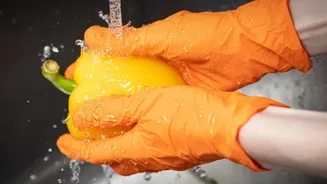
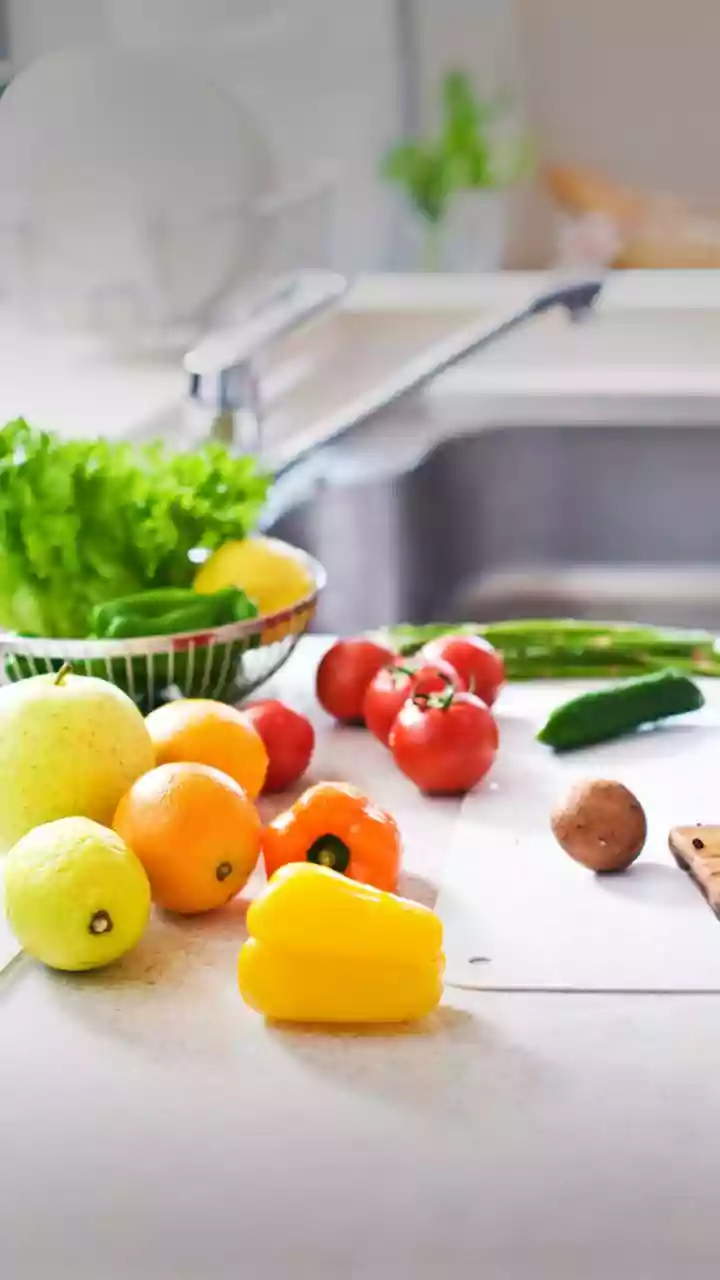
Enjoying a salad at home during the monsoon is possible with a few careful steps. Start by washing your hands thoroughly before handling any food. First, rinse vegetables under clean, running potable water to remove surface dirt. For leafy greens, cauliflower, and broccoli, a deeper clean is recommended. Soak them in a bowl of water with a tablespoon of salt or a capful of white vinegar for about 10-15 minutes. This helps dislodge hidden grit, germs, and even small worms. After soaking, rinse them again thoroughly with safe drinking water. For vegetables with thicker skins like cucumbers, it is best to peel them after washing. Finally, pat everything dry with a clean cloth or paper towel, as moisture encourages bacterial growth.
Smart Choices Beyond Washing
Beyond cleaning, mindful storage and preparation are crucial. Store washed vegetables in clean, dry containers in the refrigerator and try to buy fresh produce in smaller batches to use within a few days. Always use separate cutting boards and utensils for raw vegetables and raw meats to prevent cross-contamination. If you have any doubts about the freshness of your ingredients or the safety of your water, it's wiser to opt for cooked preparations. Steaming or blanching vegetables for even 60 seconds can effectively kill most common pathogens. Consider cooked salads, soups, or stir-fries as safer, yet still nutritious, alternatives during the peak rainy months.