


The E-Bike Boom and Its Battery Problem
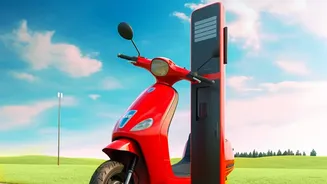
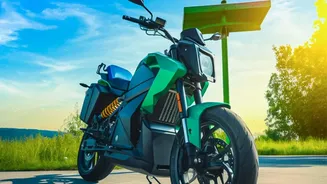
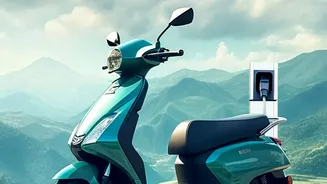
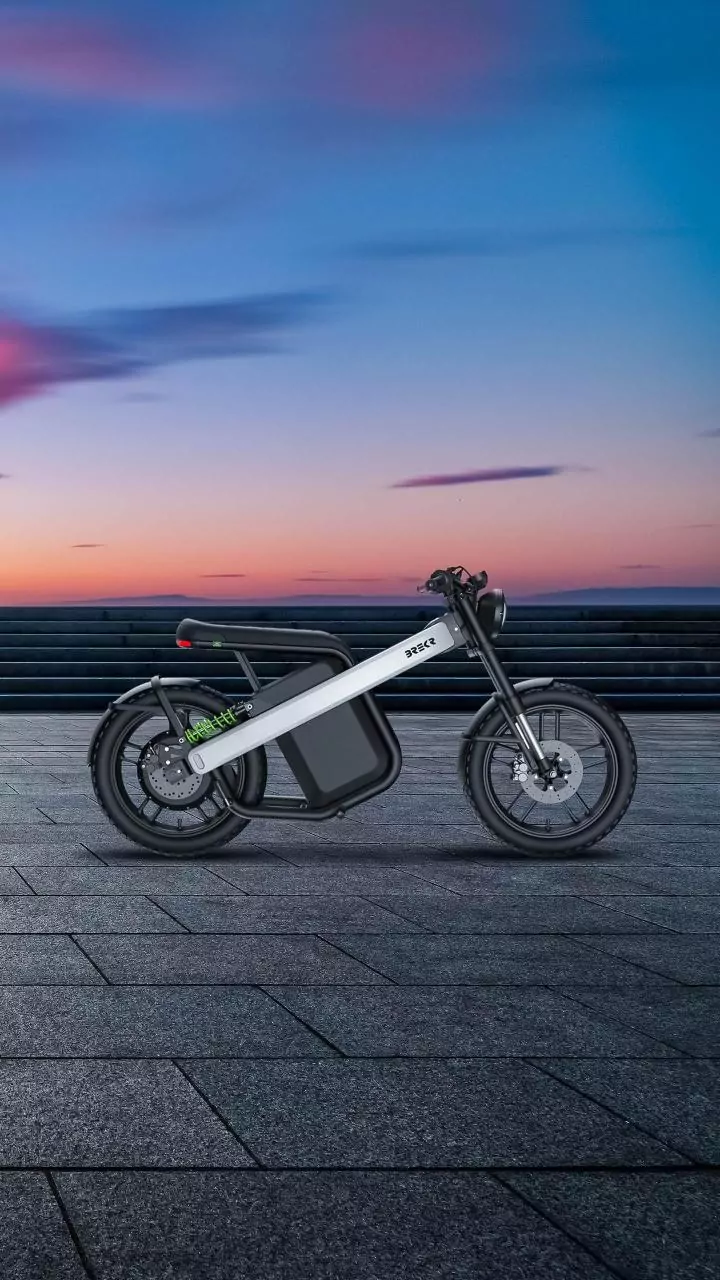
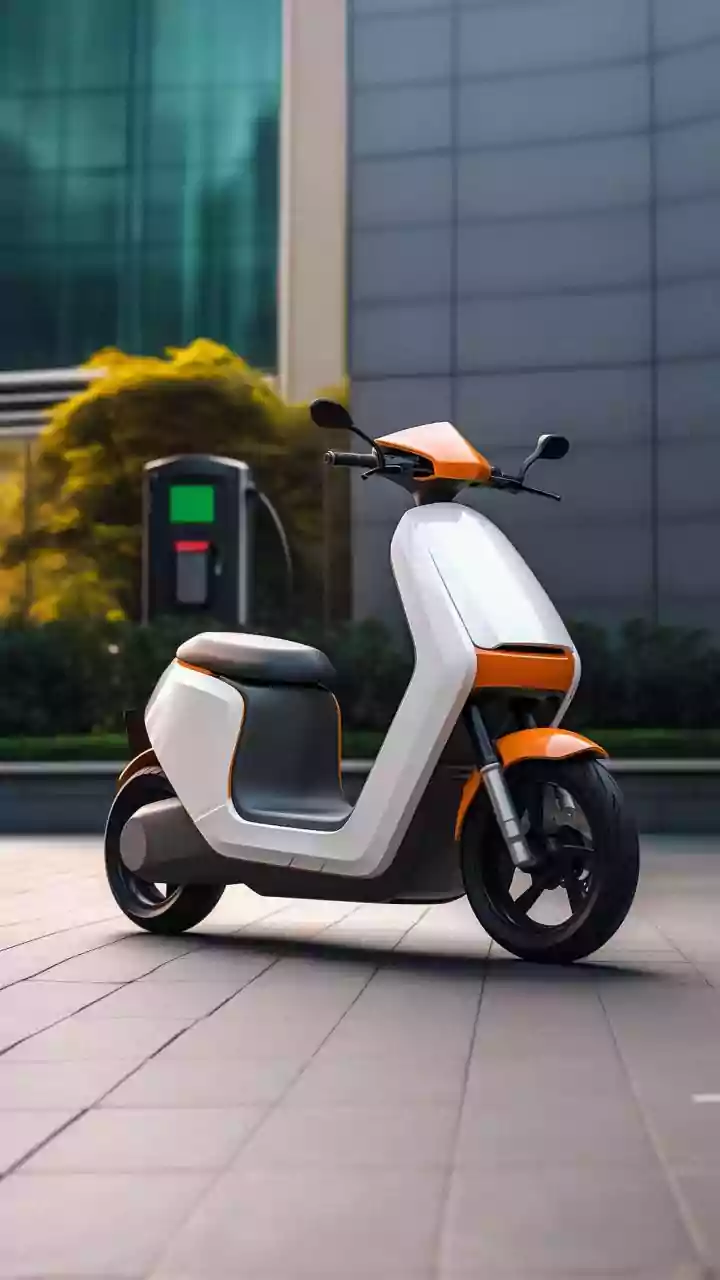
India’s love affair with two-wheelers is going electric. As cities grapple with pollution and fuel costs, a growing number of commuters are turning to electric bikes and scooters. This green revolution, however, has a complicated heart: the lithium-ion
battery. While powerful and rechargeable, these batteries depend on materials like lithium, graphite, and cobalt, which are often expensive, sourced from volatile supply chains, and carry a significant environmental footprint from mining. As the demand for e-bikes soars, so does the pressure to find a more sustainable, affordable, and locally sourced power solution. The battery is often the single most expensive component of an EV, and price volatility in raw materials can quickly erase cost savings for manufacturers and consumers alike.
A Sustainable Solution from the Fields
The answer may not lie in a mine, but in our fields and forests. Researchers and innovative companies are now turning agricultural and forestry byproducts into key components for a new generation of batteries. One of the most promising materials is lignin, the complex polymer that gives trees and plants their rigidity. Millions of tonnes of lignin are produced annually as a waste product of the paper and pulp industry, where it is often simply burned for energy. Now, companies like the Nordic-based Stora Enso are transforming this 'waste' lignin into a high-performance, carbon-based anode material called Lignode. This bio-based powder can replace the synthetic graphite traditionally used in battery anodes.
How Farm Waste Becomes a Battery
The process involves heating biomass—be it lignin from wood pulp, rice husks, or crop stubble—in a controlled environment through a process called pyrolysis. This transforms the organic material into a form of 'hard carbon', a porous and disordered material perfectly suited for hosting ions in a battery. This hard carbon serves as the anode, one of the two electrodes that a battery needs to store and release energy. This innovation is particularly exciting for sodium-ion batteries, a promising alternative to lithium-ion. Sodium is far more abundant and cheaper than lithium, but it requires a different kind of anode, as its larger ions don't fit well into graphite. Biomass-derived hard carbon provides an ideal, low-cost solution. In India, IIT Roorkee spin-off Indi Energy is already developing anodes from burnt crop stubble.
Greener, Cheaper, and Locally Sourced
The benefits of this plant-based approach are threefold. Environmentally, it replaces mined, fossil-fuel-based graphite with a renewable resource, creating value from waste and reducing landfill burden. Economically, it leverages abundant and cheap raw materials, from forestry byproducts in Europe to agricultural waste in India. This could significantly lower battery manufacturing costs, making e-bikes more accessible. Strategically, it builds a more resilient and local supply chain. With the vast majority of battery materials currently sourced from outside Europe and other regions, developing a local source of anode material from domestic biomass offers greater energy independence. For farmers, it could even create a new revenue stream from agricultural residues that are otherwise difficult to dispose of.
The Road to a Greener Ride
This technology is moving rapidly from the lab to the factory. Stora Enso is already operating a pilot plant in Finland to produce its Lignode material and has partnered with battery developer Altris to commercialise sodium-ion batteries for the European market. Performance is also promising. These hard carbon anodes enable faster charging and discharging compared to traditional graphite. They also perform better in low temperatures, a known weakness of some lithium-ion chemistries. While challenges remain in matching the energy density of the highest-performing lithium-ion cells, these biomass-based batteries are ideal for applications like e-bikes, two-wheelers, and stationary energy storage, where cost, safety, and sustainability are paramount.