



1. Underestimating Health and Hygiene Risks
The biggest mistake is ignoring the health risks that multiply during the monsoon. The humid environment is a breeding ground for bacteria and viruses. Contaminated water and food can lead to serious water-borne diseases. Mosquito populations also surge,
increasing the risk of illnesses like dengue and malaria. Travellers often make the error of eating from street food stalls where hygiene might be compromised, a particularly risky choice during this season. It's crucial to drink only boiled or bottled water, avoid raw food, and choose freshly cooked meals from clean establishments. Also, use a strong insect repellent, especially during early mornings and evenings, and consider wearing long-sleeved clothing to prevent bites.
2. Packing the Wrong Clothes and Footwear
Packing denim jeans and cotton t-shirts is a classic monsoon blunder. These materials absorb moisture and take ages to dry in the high humidity, leading to discomfort and musty smells. The smarter choice is light, synthetic, quick-dry fabrics. Another common error is choosing the wrong footwear. Fashionable heels or smooth-soled shoes are a recipe for disaster on slippery, muddy streets. Sturdy, waterproof sandals or floaters with a good grip are essential to navigate wet terrain safely. And don't forget a separate waterproof bag to keep wet clothes and shoes from ruining the dry items in your luggage.
3. Ignoring Potential Travel Delays
A rigid, tightly packed schedule is unworkable during the monsoon. Heavy rains can cause sudden and significant travel disruptions, from flight delays and cancellations to waterlogged railway tracks and road closures. Landslides are a common hazard in hilly areas, often blocking key highways for hours or even days. Assuming your transport will run on time is a mistake that can leave you stranded. The wise approach is to build buffer days into your itinerary, keep your plans flexible, and always have a backup plan. Before heading out, check weather forecasts and local transport updates.
4. Failing to Protect Electronics
High humidity and sudden downpours are a deadly combination for electronics. Many travellers forget that moisture can seep into bags and cause permanent damage to cameras, laptops, and smartphones. Relying on a bag that is merely “water-resistant” is not enough. A critical mistake is not having dedicated waterproof protection. Use dry bags or double-layer protection with individual waterproof pouches for all your valuable gadgets. Adding a few silica gel packets to your electronics bag can also help absorb excess moisture and combat the pervasive humidity.
5. Choosing Unsuitable Destinations
While many parts of India are stunning during the monsoon, some become risky and inaccessible. A common error is planning trips to regions prone to extreme weather events without checking conditions. For example, some high-altitude Himalayan areas like Kedarnath or parts of Himachal Pradesh can experience severe landslides and flash floods. Similarly, certain coastal areas might have rough seas, making beach activities unsafe. It’s a mistake to assume all destinations are equal. Research which regions flourish in the monsoon, such as parts of the Western Ghats or Rajasthan, and which ones are best avoided.
6. Driving Without Extreme Caution
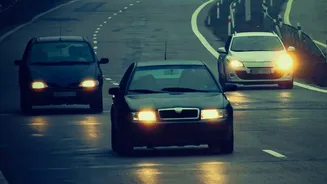
Driving on Indian roads during the monsoon requires a completely different level of alertness. A frequent and dangerous mistake is underestimating how treacherous road conditions can become. Heavy rain reduces visibility, while waterlogged streets hide deep potholes. Braking distances increase significantly on wet surfaces, and painted road markings become extremely slippery. Many drivers also make the error of driving too fast for the conditions. It’s essential to reduce your speed, maintain a greater distance from the vehicle ahead, and avoid driving through standing water, which can damage your car's engine.
7. Forgetting Essential Monsoon Gear
Simply showing up with your usual travel kit is a setup for failure. Forgetting key monsoon-specific items can turn a trip miserable. While an umbrella seems obvious, it can be unreliable in strong winds. A lightweight, foldable raincoat or poncho is often a more practical primary defence against downpours. Another oversight is not carrying a small, quick-drying microfibre towel for unexpected soakings. Also, given the possibility of power cuts, a fully charged power bank is a non-negotiable essential to keep your devices running. Finally, a basic first-aid kit with antiseptic creams and medication for common ailments is a must-have.