



More Than Just a 'Broom'
The conversation around dietary fibre is changing. For a long time, it was simply seen as the 'broom' for our digestive system, important for preventing constipation but not much else. That view is now considered outdated. The new perspective, sometimes
called 'fibremeaxing', positions fibre as a crucial player in holistic health. It's no longer just about adding bulk; it's about actively feeding our body's internal ecosystem, regulating blood sugar, and even influencing our mood and immunity. This shift is moving fibre from a dietary afterthought to a primary focus for those seeking better metabolic health.
The Gut Health Connection
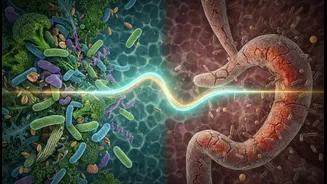
The real star of the fibre revolution is the gut microbiome—the trillions of bacteria living in our digestive tract. New research shows that certain types of fibre, known as prebiotics, act as food for these beneficial microbes. When these good bacteria ferment fibre, they produce compounds like short-chain fatty acids (SCFAs), which have powerful, system-wide benefits. They strengthen the gut lining, reduce inflammation, improve insulin sensitivity, and support the gut-brain axis, potentially affecting everything from our energy levels to mental clarity. This has transformed our understanding of diet, showing that what we eat feeds not just us, but the vast community of microbes that help keep us healthy.
Soluble vs. Insoluble: Know Your Fibre
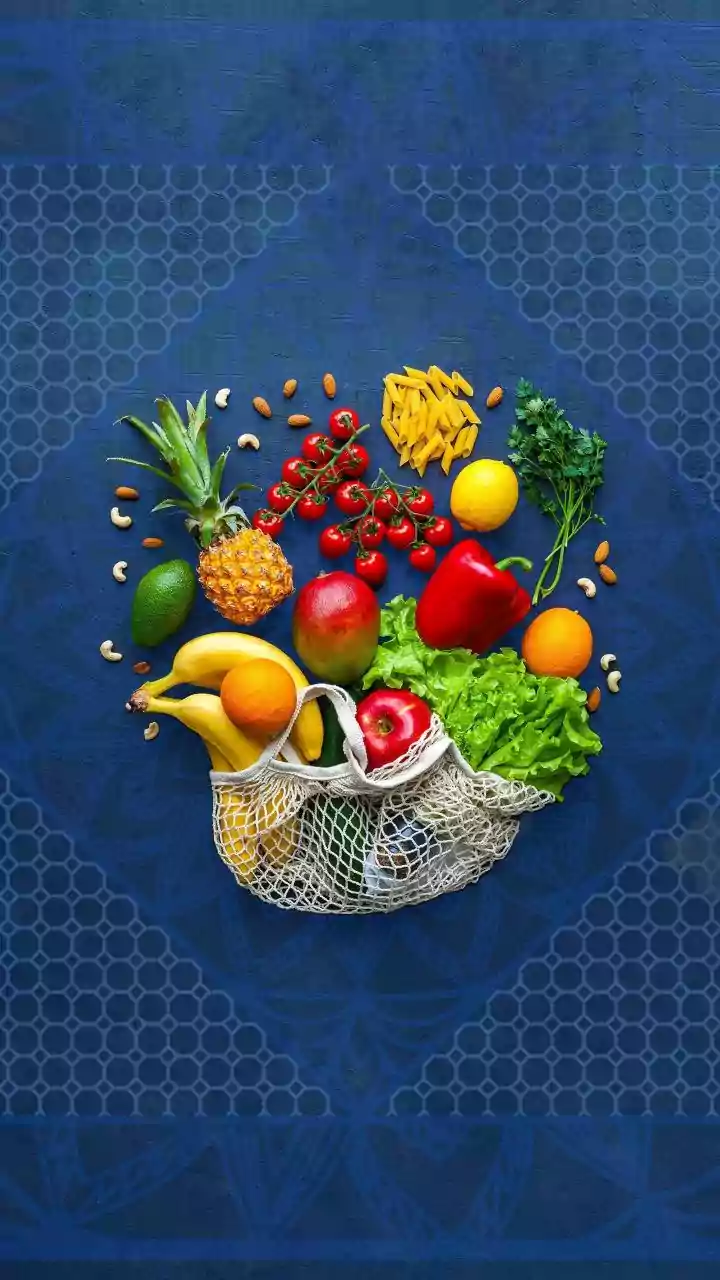
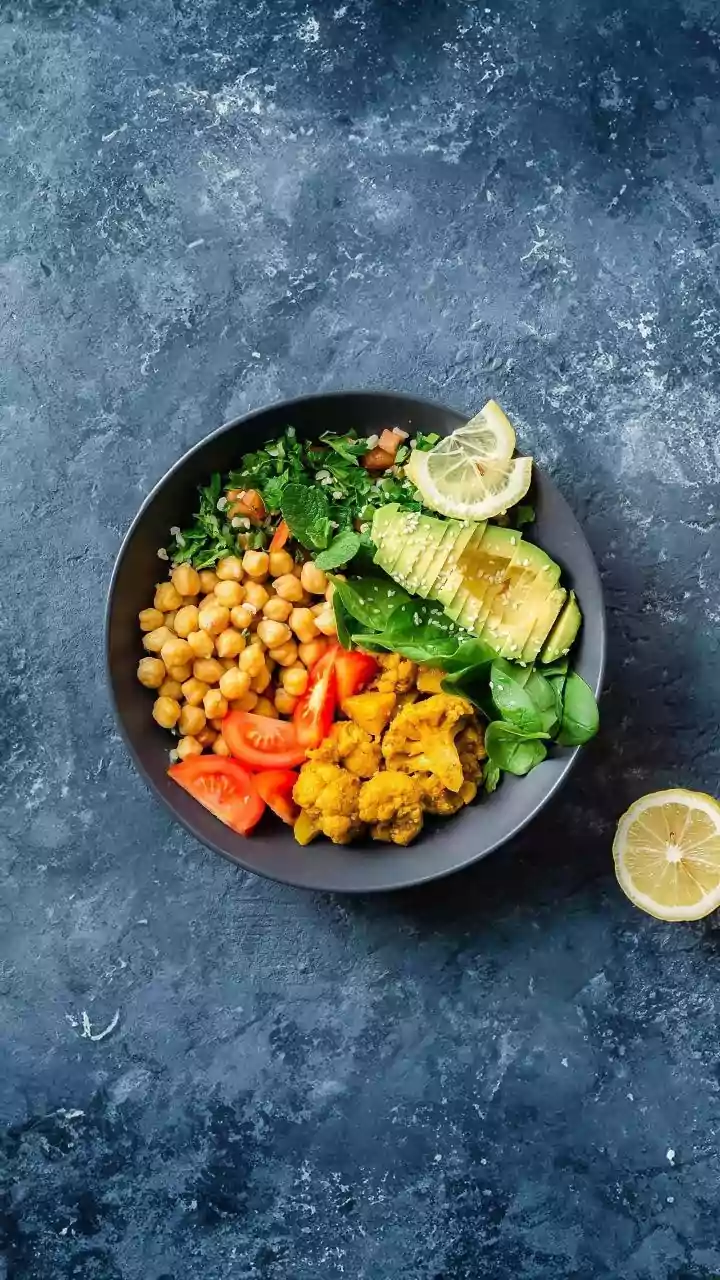
Not all fibre is created equal. The two main categories are soluble and insoluble, and we need both. Soluble fibre dissolves in water to form a gel-like substance. Found in oats, barley, apples, beans, and psyllium husk (isabgol), it's excellent for slowing digestion, which helps control blood sugar spikes and lower LDL ('bad') cholesterol. Insoluble fibre, found in whole grains, nuts, and vegetables like carrots and cauliflower, does not dissolve. It adds bulk to stool, promoting regular bowel movements and preventing constipation. A healthy diet includes a mix of both types from various plant-based sources.
The Indian Diet: A Fibre-Rich Heritage
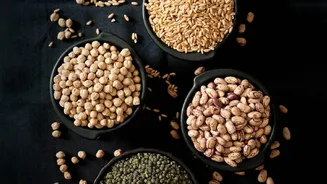
Interestingly, traditional Indian cuisine is naturally rich in fibre. Staples like dals (lentils), whole grains like millets (jowar, bajra, ragi), beans (rajma, chana), and a wide variety of vegetables form the foundation of many regional diets. Dishes like sambar, khichdi with vegetables, and rotis made from whole wheat or millet flour are excellent sources. However, modern urban diets have seen a shift towards refined grains like white rice and maida, and an increase in processed foods, which has created a 'fibre gap'. The Indian Council of Medical Research (ICMR) recommends about 25-40 grams of fibre daily, but many urban Indians consume less than half that amount.
New Goals and How to Meet Them
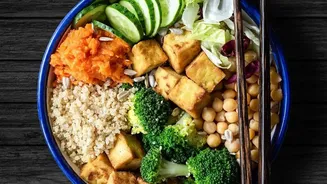
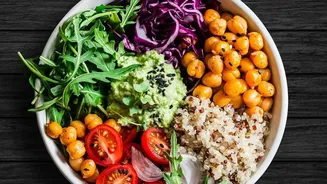
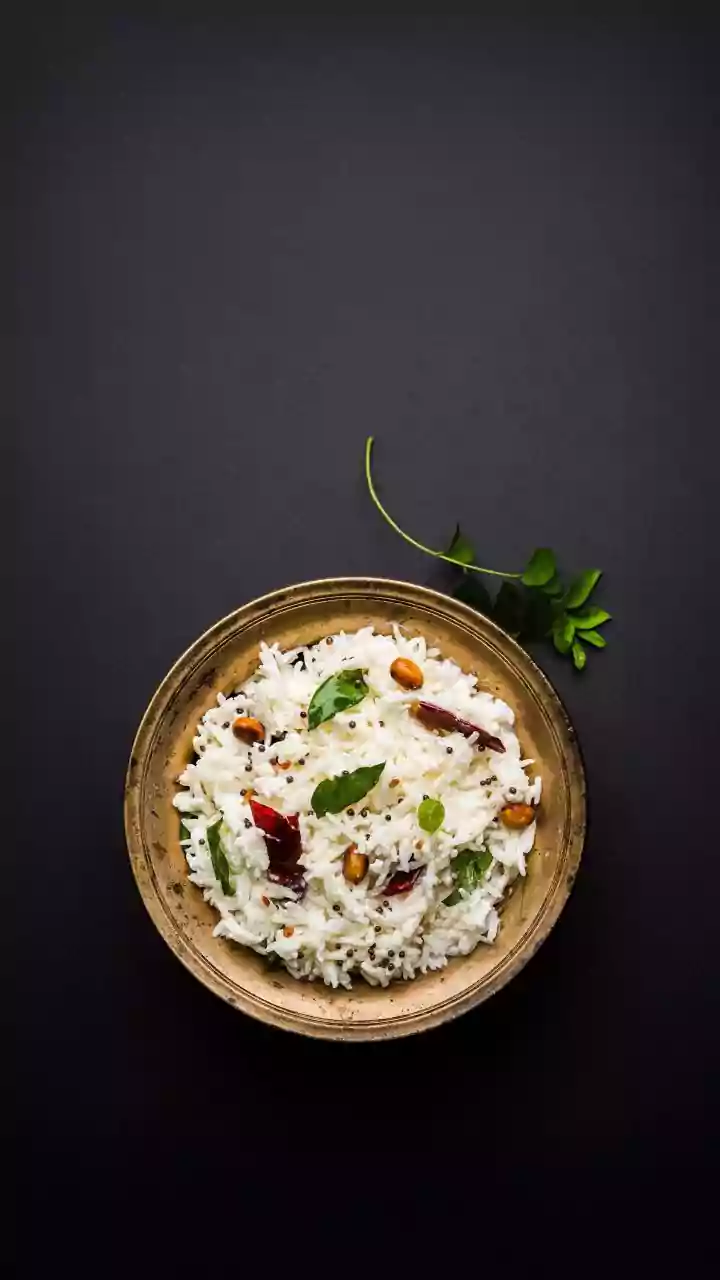
The 'fibre revolution' is about consciously closing this gap. This doesn't mean a complete dietary overhaul. Small, consistent changes can make a huge difference. Start by swapping refined grains for whole alternatives—brown rice instead of white, or multigrain atta for rotis. Make it a goal to include at least one vegetable dish with every meal and eat fruits whole instead of juicing them. Incorporate fibre powerhouses like flaxseeds (alsi), chia seeds, and guava into your snacks and meals. Even breakfast is getting a fibre-forward makeover, with fortified options and a renewed interest in traditional millet-based preparations. The growing market for dietary fibre supplements and fortified foods shows a clear trend toward prioritising this essential nutrient.