








The New Era of Thirst Quenchers
Walk through any modern supermarket, and you'll see that the beverage section is no longer just for refreshment. It's a wellness hub. Bottles of kombucha, turmeric lattes, and waters infused with ashwagandha and other herbs are now commonplace. These
are known as functional beverages—drinks designed to do more than just hydrate. They promise to boost gut health, reduce stress, improve focus, or support immunity. The functional beverage market in India is growing rapidly, far outpacing the overall beverage market as consumers increasingly seek drinks that solve a problem. This shift reflects a larger trend where preventive wellness is a top priority, and consumers are looking for convenient ways to support their health goals daily.
Why We Suddenly Care About Labels
The demand for ingredient transparency is not just a passing trend; it reflects a fundamental shift in consumer behaviour in India. Spurred by greater health awareness, especially after the pandemic, and the widespread availability of information online, shoppers are more skeptical of heavily processed foods and their complex ingredient lists. A recent survey highlighted that nearly 62% of Indian consumers consider clear information on ingredients and sourcing the most crucial factor when choosing a brand. This move towards 'clean labels'—products with simple, understandable ingredients and minimal artificial additives—is a powerful consumer-driven movement. People want to see ingredients they recognise, not a list of chemical-sounding names they can't pronounce.
Decoding the 'Healthy' Halo
While the push for transparency is positive, it has also created a new challenge: navigating marketing buzzwords. Terms like 'natural' are often used but are not clearly defined by regulators, which can cause confusion. A product can be 'natural' but still contain high levels of sugar. Similarly, a claim like 'no added sugar' does not mean the drink is unsweetened; it could contain naturally occurring sugars or artificial sweeteners. Reading the nutritional information panel is crucial. In India, the Food Safety and Standards Authority of India (FSSAI) has guidelines for what constitutes a 'low sugar' or 'high protein' claim, but the onus is still on the consumer to look beyond the flashy promises on the front of the bottle.
What Good Transparency Looks Like
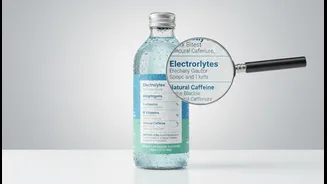
So, what should you look for? Truly transparent brands go beyond vague claims. They provide short, easy-to-understand ingredient lists. They are clear about not just what is in the bottle, but where the ingredients come from. Some brands use QR codes on packaging that link to detailed information about their sourcing and production processes. This level of openness builds trust. According to one study, 94% of consumers are more likely to be loyal to a brand that offers complete transparency. Instead of just saying a drink is 'good for you', transparent brands explain why—detailing the function of each ingredient and ensuring the dosage is effective.
The Role of Regulation
In India, the FSSAI sets the rules for food and beverage labelling, including mandatory declarations of nutritional information, ingredients, and allergens. The regulations are in place to protect consumers from misleading information and ensure a level of standardisation. For instance, the FSSAI recently issued notices to several companies for misbranding their products as 'energy drinks', a category for which no official standard exists. However, gaps can still exist, and the line between marketing and misrepresentation can be blurry. This is why consumer awareness and the ability to critically read a label remain your most powerful tools.