




Why Your Gut Needs Extra Care During Monsoon
The magic of the monsoon—the cool air, the smell of wet earth—is undeniable. However, this season also brings high humidity and an increased risk of water and food contamination. According to Ayurveda, the body's digestive fire, or 'Agni', is naturally
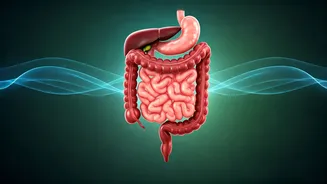
weaker during the rainy season. [6, 21] This makes you more susceptible to issues like bloating, indigestion, and stomach infections. [21] The damp environment is a perfect breeding ground for bacteria and fungi, which can easily contaminate fresh produce, especially raw foods. [19, 23] This combination of a weaker digestive system and a higher risk of pathogens means that what you eat becomes more critical than ever for maintaining good health. [12]
The One Small Change: Swap Raw for Cooked
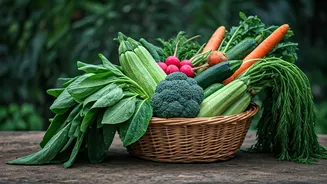
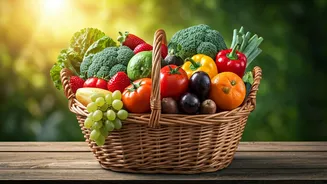
If you want to make a single, impactful change for a healthier monsoon, it is this: prioritize warm, freshly cooked meals and strictly limit or avoid raw foods. [2, 6] This means putting aside raw salads, juices from vendors, and pre-cut fruits for the next few months. [3, 7, 11] While leafy greens like spinach and cabbage are nutritional powerhouses, during the monsoon they are best avoided in their raw form as they can harbour dirt, moisture, and germs that are difficult to wash away. [15, 19, 22] Even seemingly healthy raw vegetables can carry bacteria that lead to infections. [15, 19] The simple act of cooking your food is a powerful defense mechanism.
The Protective Power of Cooking
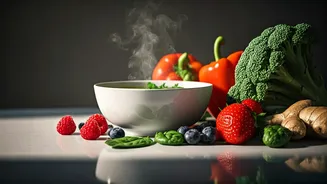
Cooking food does two essential things during the monsoon. Firstly, the heat kills most harmful bacteria, viruses, and parasites that may be present on the food, significantly reducing your risk of contracting water-borne diseases and food poisoning. [15] Secondly, cooking makes food easier to digest. [2] The process of heating breaks down complex fibres and nutrients, meaning your already weakened digestive system doesn't have to work as hard. [10] This is why traditional monsoon diets heavily feature light, warm, and easy-to-digest meals like khichdi, dal, and steamed vegetables. [6, 13] These dishes nourish the body without overburdening the gut.
Making the Switch Delicious and Simple
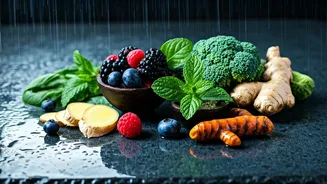
Embracing cooked food doesn't mean your meals have to be boring. Start your day with a warm breakfast like vegetable poha or upma. [11] For lunch and dinner, focus on well-cooked sabzis made from seasonal gourds like lauki (bottle gourd) and turai (ridge gourd), which are lighter on the stomach. [7, 8] Soups and broths are excellent choices; they are hydrating, nourishing, and gentle on your digestive system. [5, 8] You can boost your immunity and digestion further by adding spices like ginger, turmeric, and black pepper to your cooking. [6, 17] Instead of a cold, raw salad, try a steamed vegetable chaat for a warm and safe alternative.
Beyond the 'One Change': Supporting Habits
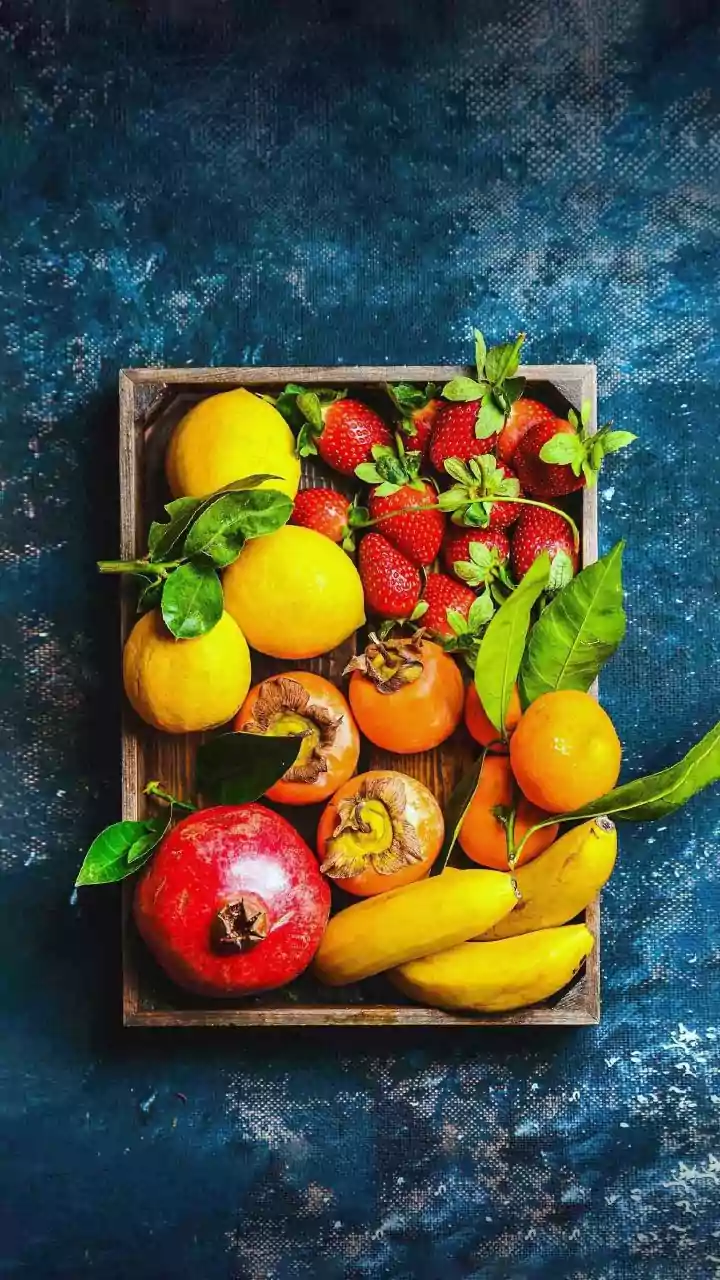
While switching to cooked food is your primary line of defense, a few other habits can bolster your health. Always drink boiled or filtered water, as water is a major source of infection during this season. [10, 11] Avoid street food, especially fried snacks and chutneys, which are often prepared in unhygienic conditions with contaminated water. [3, 16] Be mindful of dairy products, as they can spoil quickly in humid weather. [14] Opt for seasonal fruits like pomegranates, pears, and jamun, and be sure to wash them thoroughly and consume them fresh. [18] These complementary habits work together with your main dietary change to create a comprehensive shield against monsoon illnesses.