






A New Trail in an Avian Paradise
The Andaman and Nicobar administration has launched an initiative to promote the region as a premier birdwatching destination, capitalizing on its incredible biodiversity. The new guided “Rainforest Birding Trail” in Kalatang, South Andaman, which officially
launched on August 1, 2026, is a cornerstone of this strategy. The trail takes enthusiasts through dense tropical rainforests, offering a structured way to explore the wilderness. This move aims to attract a different kind of tourist—one who is patient, observant, and willing to travel for the unique reward of spotting a rare, endemic bird. The hope is to create alternative income streams for local communities through guided tours and eco-friendly homestays, especially during the shoulder seasons.
The Endemic Jewels on Offer
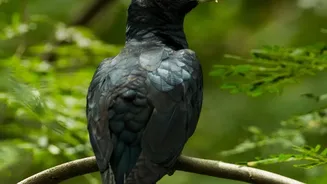
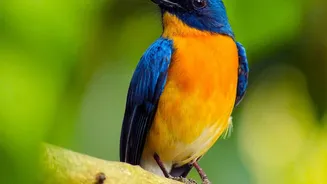
The Andaman and Nicobar Islands are home to over 300 bird species, with dozens found nowhere else on Earth. This isolation has made the islands a hotspot of endemism. Birders flock here for a chance to see species like the Andaman Woodpecker, the Andaman Serpent Eagle, the Andaman Crake, and the state bird, the Andaman Wood Pigeon. Many of these birds, like the “Vulnerable” Andaman Teal and the “Near Threatened” Andaman Wood Pigeon, have restricted habitats and face increasing pressure from development and habitat loss. The allure of seeing these unique species is powerful, driving a surge in visits from both domestic and international birdwatchers and photographers since the pandemic.
The Power and Problem of the Checklist
For many birders, the 'sighting list' or 'checklist' is a core part of the hobby. It's a personal record of every species seen, a source of immense satisfaction and a driver for travel. Platforms like eBird encourage submitting complete checklists, where the primary purpose is to document every species identifiable by sight or sound. This approach can provide valuable data for conservation science. However, critics argue that an overemphasis on ticking off a list can lead to what’s known as “twitching”—a frantic race to see a rare bird, get a photo, and move on. Officials have noted that many birdwatchers visit the Andamans specifically to increase their species count in a single day, highlighting the prevalence of this goal-oriented approach.
From Ticking to Truly Seeing
The scrutiny prompted by the new trail centres on the ethics of this approach. The conservation-first perspective argues that the welfare of the bird and its habitat should always be the top priority. Unethical practices, sometimes driven by the desire to get the perfect shot or sighting, include using recorded bird calls to lure birds out, which can disrupt their breeding and feeding patterns, or getting too close to nests. This has led to a growing movement advocating for “mindful birding” or “slow birding.” This philosophy encourages a deeper, more patient form of observation, focusing on bird behaviour and the surrounding environment rather than just identification and listing. The goal is to connect with nature on a deeper level, reducing stress and fostering a genuine appreciation that transcends a simple checklist.
Finding a Sustainable Balance
The new South Andaman trail exists at the intersection of this debate. It leverages the appeal of the checklist to boost tourism but also faces the challenge of managing the potential negative impacts. The key to a sustainable future lies in finding a balance. This involves promoting responsible tourism practices and strict ethical guidelines for birders and photographers. Educating visitors, training local guides to prioritize bird welfare over guaranteed sightings, and ensuring that revenue from tourism directly supports conservation are crucial steps. If managed well, the trail could become a model for how to channel the passion of checklist-driven birders into a force for good, ensuring the long-term protection of the very species they travel so far to see.