






What Is Variant PJ.2.1?
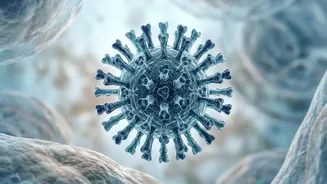
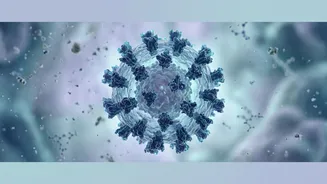
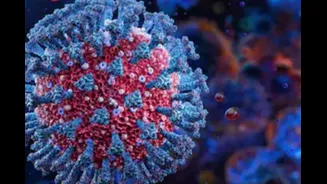
PJ.2.1 is a new lineage of the SARS-CoV-2 virus, the cause of COVID-19. It is a descendant of the Omicron family, specifically stemming from the JN.1 lineage. Scientists have described it as a 'saltation variant', which means it appeared with a large
number of genetic changes at once, rather than evolving slowly over time. Most of these changes, over 25 of them, are located on the virus's spike protein. The spike protein is critical as it's the part of the virus that latches onto human cells to begin an infection, which is why these mutations have caught the attention of researchers.
Where Has It Been Detected?
The variant was first identified in a sample from Ontario, Canada, on May 2, 2026. Since then, it has been detected in several other countries, indicating global spread. Cases have been confirmed in the United States, United Kingdom, France, Spain, Israel, Singapore, Australia, and New Zealand. In the US, it has been found in multiple states, while wastewater tracking suggests it may be the fastest-growing variant there. In Canada, particularly Ontario, surveillance data showed PJ.2.1 accounted for over 25% of sequenced cases in a recent four-week period, marking a significant increase. So far, there is no public confirmation that the PJ.2.1 variant has been detected in India, but genomic surveillance by INSACOG is ongoing.
What Do the Mutations Mean?
The primary concern with any new variant is whether its mutations make it more transmissible, more severe, or better at evading our immune system. Early lab studies, some of which are not yet peer-reviewed, suggest PJ.2.1's mutations may allow it to bind more tightly to the ACE2 receptor on human cells. In theory, a stronger grip could help the virus enter cells more efficiently, potentially giving it a growth advantage. However, these lab findings don't automatically prove it will spread faster in the real world. On a more reassuring note, the same early research indicates that PJ.2.1 does not show a major ability to escape antibodies from previous vaccination.
Is It More Dangerous?
Currently, there is no evidence to suggest that PJ.2.1 causes more severe illness, a higher rate of hospitalisation, or more deaths than other circulating variants. The World Health Organization (WHO) is monitoring the variant but has not classified it as a 'Variant of Interest' or 'Variant of Concern'. The symptoms associated with PJ.2.1 appear to be consistent with other COVID-19 strains: fever, cough, sore throat, fatigue, body aches, and a runny nose are common. Some reports mention a severe sore throat and prolonged fatigue as potential characteristics, but a unique symptom profile has not been confirmed. The WHO has reminded the public that symptoms of COVID-19 can easily be confused with the flu or a common cold, making testing important for a definitive diagnosis.
What Should We Do?
The emergence of PJ.2.1 is a reminder that the coronavirus continues to evolve, and public health vigilance remains important. Health officials are not recommending any new or different precautions at this time. The advice remains consistent: stay up-to-date with recommended vaccinations, as they are still expected to provide strong protection against severe disease. Standard hygiene practices, such as hand washing, and staying home when sick are also still crucial measures to prevent the spread of all respiratory viruses. For now, the scientific community is in a phase of monitoring and research. While PJ.2.1's spread and mutations warrant careful study, it is not currently seen as a cause for public alarm.