






The Sun Giveth and Taketh Away
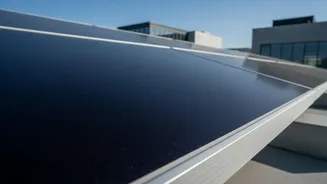
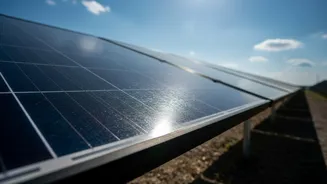
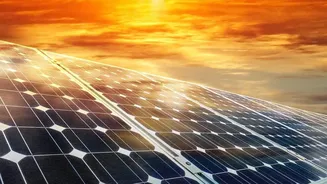
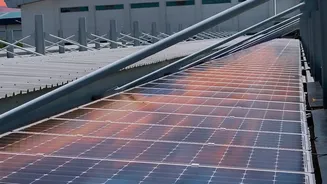
Solar panels are built for a life in the sun, but that constant exposure comes at a cost. Just as ultraviolet (UV) radiation can damage human skin, it also degrades the sensitive materials inside a solar panel. Over years of relentless bombardment from
high-energy photons, the photovoltaic cells that convert sunlight into electricity begin to break down. This radiation-induced degradation slowly but surely reduces a panel's efficiency and shortens its operational lifespan. The very source of their power is also a source of their decline. This creates a fundamental challenge for the solar industry: how do you protect a device that must, by its very nature, be exposed to the elements? The answer, it turns in, might come from one of nature’s most effective defense mechanisms.
Nature’s Ultimate Sunscreen
Melanin is a pigment found throughout the natural world. It is the compound that colors our skin, hair, and eyes, and its primary job is protection. When UV light hits, melanin is exceptionally good at absorbing that harmful, high-energy radiation and converting it into harmless heat. This process prevents the radiation from creating destructive free radicals that can damage cells. Organisms have relied on this elegant defense for aeons. Now, scientists are looking to co-opt this natural technology for our own energy systems. Research has shown that a thin layer of melanin can act as a powerful shield, absorbing damaging wavelengths before they can reach and degrade sensitive electronics or photovoltaic materials.
From Squid Ink to a Scientific Solution
While melanin is ubiquitous, one of the most abundant and accessible sources is found in the ink of cephalopods like squid and cuttlefish. For the fishing industry, the vast quantities of ink produced during processing are often treated as a waste product. This makes it an incredibly sustainable and low-cost raw material for scientists. Researchers have developed processes to extract and purify the melanin—a type known as eumelanin—from this ink. In parallel, some labs are creating synthetic versions of melanin that are structurally almost identical to the natural pigment, allowing them to study its properties in a controlled way. Whether bio-derived or bio-inspired, the goal is the same: to harness melanin’s protective qualities in a form that can be applied to new technologies.
How Melanin 'Saves' a Solar Panel
The concept is straightforward yet powerful. By applying a thin, melanin-based coating to the surface of a solar panel, a protective barrier is formed. This layer acts as a gatekeeper for light. It is transparent enough to allow the visible light necessary for power generation to pass through to the silicon cells below, but it is highly absorbent of the high-energy UV radiation that causes long-term damage. The melanin essentially catches these harmful photons and dissipates their energy as heat, preventing them from ever reaching and harming the delicate semiconductor layers. This shielding effect helps maintain the panel’s energy conversion efficiency over a longer period and extends its useful life, directly addressing the problem of radiation-induced degradation.
The Road from Lab to Rooftop
This technology is still moving from the laboratory toward commercial viability. Studies have successfully demonstrated that melanin-based films can protect photovoltaic materials and even enhance performance in certain types of experimental solar cells. Beyond just protection, researchers are exploring melanin’s other unique properties. Its ability to manage heat could prevent panels from overheating, which also hurts efficiency. Other projects are investigating its use in supercapacitors that can both generate and store energy. While promising, significant hurdles like industrial-scale production, standardization, and long-term durability testing remain before you see squid-ink-powered panels on your roof. However, the research opens a fascinating new pathway for creating more resilient and sustainable renewable energy.