





As Varanasi prepares for Dev Deepawali, the spectacular festival of lights on November 24, 2026, the local administration is gearing up to manage the massive influx of pilgrims and tourists. Here is what you need to know about the expected rules.
The Festival of a Million Lights
Dev Deepawali,
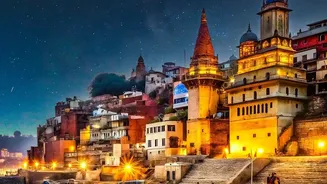
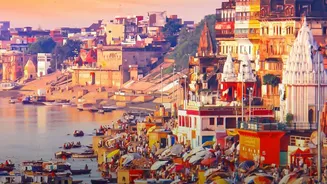
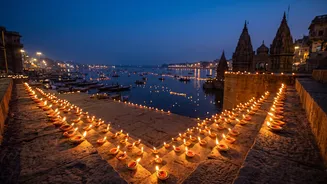
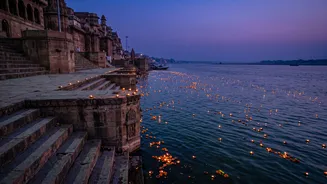
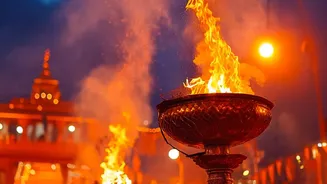
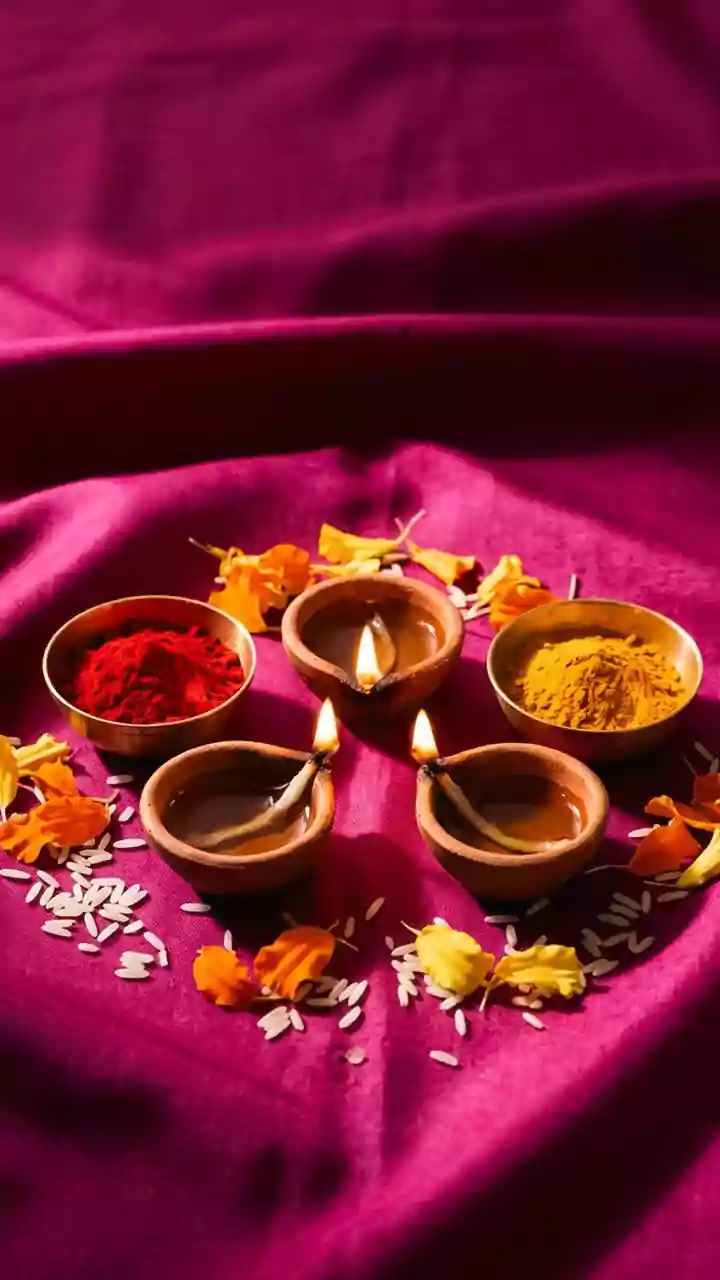
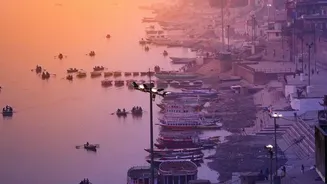
often called the 'Diwali of the Gods', is celebrated on Kartik Purnima, which falls approximately 15 days after Diwali. This year, the grand event will take place on the evening of Tuesday, November 24. The festival sees all 84 ghats along the Ganga riverfront illuminated with more than a million earthen lamps, creating a breathtaking visual spectacle that draws lakhs of people from across India and the world. It is a celebration of Lord Shiva's victory over the demon Tripurasura. The sheer scale of the gathering necessitates comprehensive rules to ensure the safety and smooth flow of both pedestrians and river traffic.
Navigating the Ghats: Land Traffic Restrictions
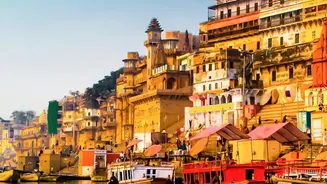
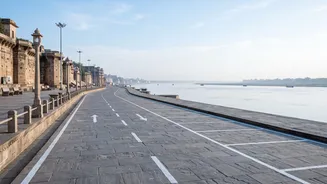
Based on arrangements from previous years, visitors should anticipate significant traffic restrictions on the day of the festival. Vehicle movement towards the main ghats, particularly around busy access points like Godowlia Chowk, Maidagin, and Dashashwamedh, is typically halted from noon onwards. This means private cars, taxis, and auto-rickshaws will be stopped at designated barricades, from where everyone must proceed on foot. Be prepared to walk a distance of one to three kilometres to reach the riverfront. It is highly advisable to reach the ghat area well before sunset, ideally by 3:00 PM or 4:00 PM, as the crowds swell rapidly and police may close entry points to ghats that become full.
Safety on the Water: Mandates for Boat Operations
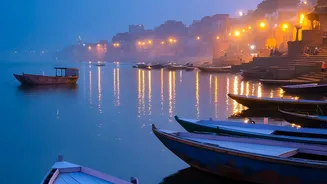
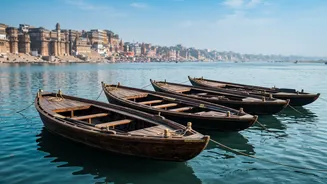
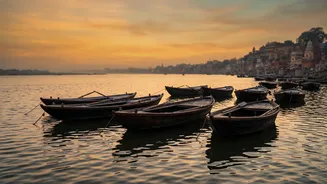
A boat ride offers the most panoramic view of the illuminated ghats, but it is also the most regulated activity of the evening. The administration enforces strict safety protocols for all boat operators. The single most important rule is the mandatory use of life jackets for every passenger. Do not board any vessel that does not provide one. Boats are often booked out weeks or even months in advance, so last-minute arrangements are nearly impossible and often lead to dealing with unlicensed operators at inflated prices. Book your ride only through a reliable, authorised operator and confirm your boarding ghat, reporting time, and the duration of the ride. Expect river traffic to be heavy, and follow all instructions from your boatman and river police.
A Guide for Devotees and Tourists
To ensure a safe and memorable experience, planning is critical. Arrive at the ghats in the early afternoon to find a good viewing spot. If traveling in a group, establish a fixed meeting point in case you get separated, as mobile networks are often congested. Travel light, carrying only essentials like water, a power bank, and any necessary medication. Wear comfortable, sturdy footwear suitable for walking long distances on crowded, uneven steps. Given the massive crowds, it's crucial to keep your valuables secure and be aware of your surroundings at all times. Drones are typically banned across the city during the festival, so leave them at your hotel.
Respectful Observation and Conduct
While Dev Deepawali has become a major tourist event, it remains a deeply religious occasion. The diyas lighting the steps are offerings, not just decorations. Be mindful of pilgrims performing rituals, bathing, or praying. Always ask for permission before taking photographs of people, and avoid using a flash during the aarti ceremony. The cremation ghats, such as Manikarnika, continue to function during the festival; it is important to maintain a respectful distance and refrain from photography in these areas. Following the guidance from local police and event volunteers will not only ensure your safety but also show respect for the sanctity of the festival.