




The Monsoon's Digital Lifeline
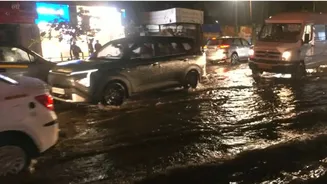
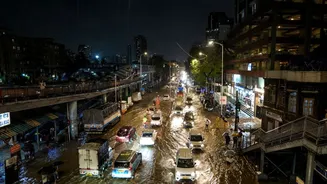
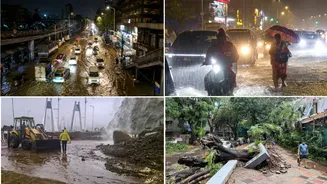
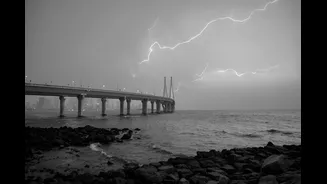
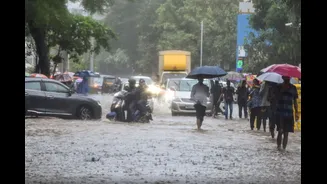
When heavy overnight showers lash the city, turning major arteries into canals and shutting down crucial links like the Andheri subway, official information can struggle to keep pace. This is where Mumbai's residents have stepped in, transforming their
Twitter feeds into a dynamic, crowdsourced command centre. What was once a platform for social chatter has become an essential utility for navigating the city's monsoon chaos. Commuters armed with smartphones are providing a second-by-second account of the situation on the ground, effectively creating a real-time map of what to avoid and where to go.
Crowdsourcing the Commute
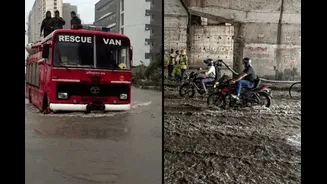
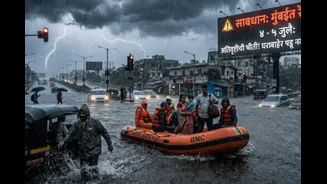
The power of this citizen-led reporting lies in its granularity. Users are not just stating that it's raining; they are posting photos and videos of waterlogging at specific locations like Vile Parle, Bandra, and Kings Circle. This allows fellow Mumbaikars to see the depth of the water at the Andheri subway or the extent of traffic jams on the Western Express Highway before they even leave their homes. Updates on the status of local trains, BEST bus diversions, and alternative routes are shared instantly, often faster than official announcements can be broadcast. It's a testament to the community's resilience, using a shared platform to collectively overcome a shared challenge.
Hashtags to Navigate the Storm
For those looking to tap into this stream of information, hashtags are the key. Following terms like #MumbaiRains, #MumbaiTraffic, and #MumbaiWeather unlocks a live feed of updates from across the metropolis. Specific location-based hashtags, such as #AndheriSubway, also become vital during intense spells of rain. These digital breadcrumbs help filter the noise, leading users to relevant, timely advice from others who are experiencing the downpour firsthand. This informal network has become an indispensable tool for daily commuters planning their route to work, parents checking if school routes are clear, and residents simply trying to stay safe and dry.
Official Voices Amid the Noise
While citizen reporting has taken the lead, official bodies are also leveraging the platform's reach. The Mumbai Police and the Brihanmumbai Municipal Corporation (BMC) use their Twitter handles to issue formal advisories, such as the closure of subways and warnings about gusty winds. The India Meteorological Department (IMD) regularly posts weather alerts, including yellow and orange warnings for the city and surrounding areas. This creates a crucial synergy: official accounts provide verified, authoritative information, which is then amplified and supplemented by the on-the-ground experiences shared by the public. This combination of official guidance and crowdsourced reality gives Mumbaikars a more complete picture of the evolving situation.
More Than Just Traffic
The use of Twitter during the Mumbai monsoon extends beyond just traffic updates. It has become a platform for community support. During severe waterlogging events, users have been known to offer shelter to those stranded, share information about food and water availability, and coordinate help for those in distress. It’s a powerful reminder that in a city known for its relentless pace, a crisis can bring out an incredible sense of solidarity. The digital connections forged online translate into real-world assistance, showcasing how technology can foster a sense of community and mutual aid when it is needed most.