





For millions in India, reaching for a sealed bottle of water is a daily act of trust. But with food safety authorities stepping up scrutiny, what do you really know about the water you're drinking? Here's what to look for.
The Search for Safe Water
In a country where tap water
quality can be inconsistent, packaged drinking water has become an essential item for many households, travellers, and commuters. For a significant portion of the population, a sealed bottle represents an assurance of safety and purity. Data has shown that for many urban and rural households, bottled water is a principal source of drinking water. This reliance is built on the belief that the water has been treated and tested, and is free from the contaminants that can plague public water supplies. However, recent regulatory actions have put this trust under the microscope, reminding consumers that not all bottles are created equal and that vigilance is key.
FSSAI Steps Up Enforcement
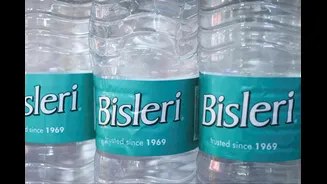
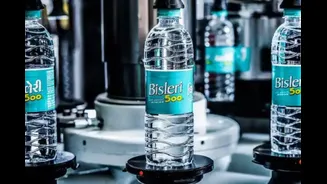
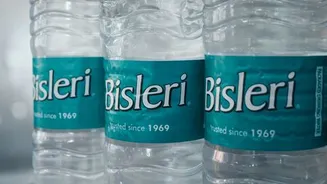
The Food Safety and Standards Authority of India (FSSAI) is the country's primary food regulator, and packaged water falls squarely under its purview. Recently, the FSSAI has intensified its enforcement, collecting samples from major packaged drinking water brands across the nation for laboratory testing. This drive was highlighted by a recent action against a batch from a major brand, Bisleri, which was declared unsafe after tests. The initial test found excess levels of bromate, a potential carcinogen that can form during water disinfection processes. A second test on appeal detected other contaminants known as polycyclic aromatic hydrocarbons (PAHs), which also carry health risks. Following this, FSSAI announced it was widening its checks to include other brands, signalling a broader effort to ensure compliance across the industry.
Understanding the Standards
In India, the packaged water you buy falls into two main categories, each with its own Bureau of Indian Standards (BIS) specification. 'Packaged Drinking Water' (IS 14543) can come from any potable source and is treated via processes like reverse osmosis before being bottled. 'Natural Mineral Water' (IS 13428) must come from a protected underground source and retains its natural mineral composition. Since October 2024, mandatory BIS certification was replaced by a direct FSSAI-led system. From January 2026, FSSAI implemented a stricter testing scheme, classifying packaged water as a 'high-risk' food product requiring more frequent inspections and audits. This means manufacturers are now directly accountable to FSSAI for meeting these standards, which test for everything from heavy metals and pesticides to microbiological contaminants.
Your Checklist Before You Drink
While you can't test for chemical contaminants yourself, you can look for several signs of a legitimate and safe product. First, check the bottle's seal to ensure it's intact and hasn't been tampered with. Look for the FSSAI logo and the 14-digit license number, which can be verified on the regulator's online portal. The label must also clearly display the manufacturer's name and address, batch number, manufacturing date, and a 'best before' date. Be wary of bottles with smudged printing, loose caps, or those being sold at an unusually low price, as these can be signs of counterfeit or locally refilled products.
Distinguishing Between Water Types
Many brands use the term 'mineral water' loosely. To know what you are actually buying, check the label for the BIS standard number. If it says IS 14543, it is treated packaged drinking water. If it says IS 13428, it is natural mineral water. This distinction matters because the source and processing are fundamentally different. Also, avoid bottles that have been stored in direct sunlight, as heat and light can degrade the plastic and potentially affect the water quality inside. A legitimate brand name is a good starting point, but as recent events show, it is not an absolute guarantee of safety for every single batch.