


The Idli and Dosa Reinvention
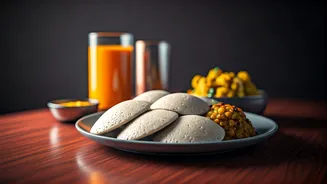
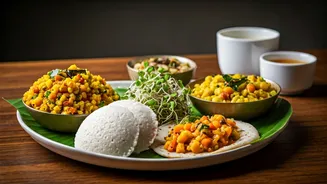
The soft, pillowy idli and its crispy counterpart, the dosa, are staples across India. Traditionally made from a fermented batter of rice and urad dal, their modern avatar sees a significant change in the grain department. Health-conscious home cooks
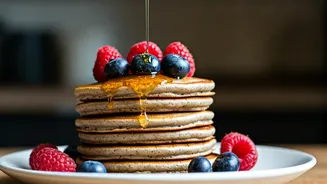
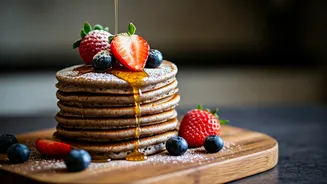
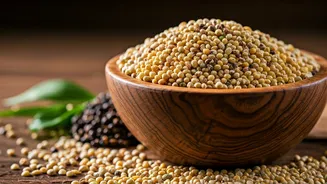
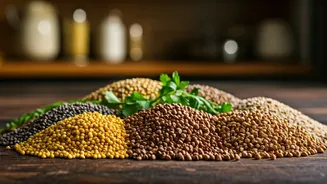
and chefs are swapping out polished white rice for a variety of millets, such as foxtail, kodo, and barnyard millet. [2, 7, 9] This simple switch dramatically increases the fibre content, adds essential minerals, and lowers the overall glycemic index, making it a better option for sustained energy release. [9] The preparation method remains comfortingly familiar — soaking, grinding, and fermenting — ensuring that the final product retains its beloved texture and tangy flavour, but with a richer, earthier taste and a superior nutritional profile. [12] Some are even experimenting with oats-based batters for a heart-healthy alternative. [17]
Upma's Upgrade to a Superfood
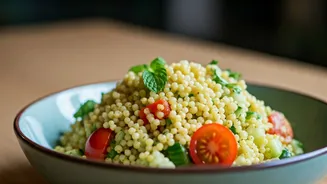
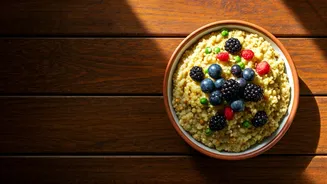
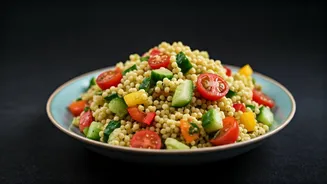
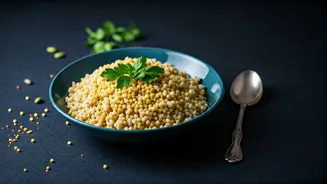
Upma, the quick and savoury semolina porridge, has long been a go-to for busy mornings. Its healthy reinvention moves away from suji (semolina) and embraces whole grains. The most popular substitute is quinoa, the celebrated superfood. [22] Quinoa upma is not only gluten-free but also a complete protein, containing all nine essential amino acids. [24, 25] It's packed with fibre and nutrients, making the breakfast dish more satiating and nutritionally dense. [18, 21] The preparation is just as quick, involving sautéing vegetables and spices before adding the quinoa and cooking it until fluffy. [21] Besides quinoa, other healthy grains like dalia (broken wheat) and various millets are also taking the place of semolina, often loaded with a vibrant mix of seasonal vegetables for added vitamins and texture. [16, 17]
Poha's Nutrient-Packed Makeover
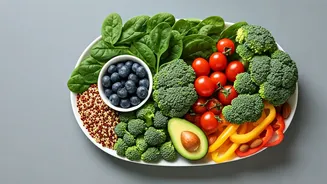
Poha, the humble dish of flattened rice, is perhaps the easiest and quickest Indian breakfast. The healthy twist for poha is less about replacing the core ingredient and more about enhancing its nutritional value. The modern approach focuses on loading the dish with a colourful assortment of vegetables like peas, carrots, and bell peppers. [17] To boost the protein content, many now add paneer, peanuts, or a generous helping of sprouts. [16] The emphasis is also on using minimal oil for tempering. Some adventurous cooks are even creating versions using oats instead of flattened rice, which offers a different texture but a similar comforting and savoury experience. [3, 4, 6] A final squeeze of lemon juice not only adds a zesty flavour but also helps in the absorption of iron from the poha. [17]
The Protein-Powered Paratha and Cheela
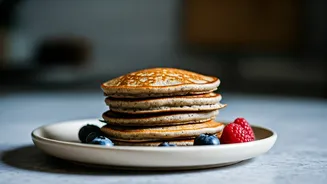
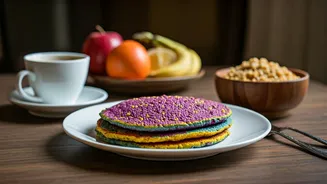
No North Indian breakfast is complete without parathas. While the classic aloo paratha is a treat, the healthier trend is to move beyond potatoes. The first step is swapping refined wheat flour for multigrain atta or millet flours. The stuffing is also getting a makeover, with nutritious options like crumbled paneer, lentils (dal), and a mix of finely chopped vegetables becoming popular choices for a protein-rich start to the day. [14, 16] Similarly, the besan (gram flour) or moong dal cheela, often called a vegetarian omelette, is being elevated. Already a great source of protein, these savoury pancakes are now often stuffed with grated vegetables or paneer bhurji, turning a simple breakfast into a complete, balanced meal. [15, 17]