


The Two Sides of Monsoon Travel
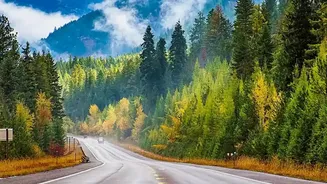
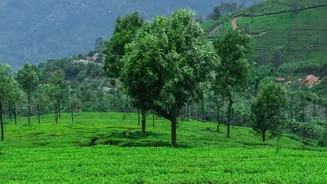
The allure of monsoon travel is undeniable. Popular destinations become less crowded, nature is in full bloom, and the rain-washed landscapes of places like Munnar, Wayanad, and the Himalayan foothills are breathtaking. However, this season also brings
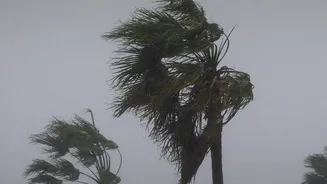
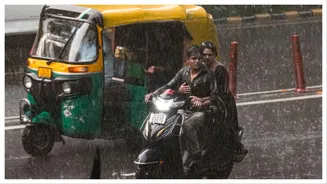
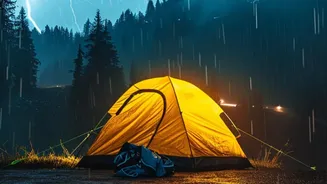
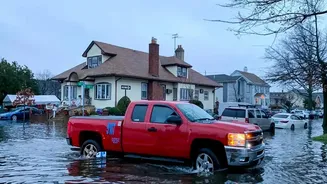
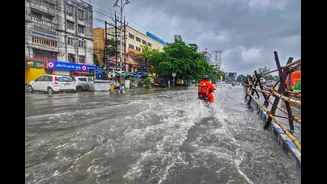
significant hazards. Heavy rainfall can trigger landslides in hilly regions, cause flash floods, lead to road closures, and disrupt travel plans with little warning. Areas with saturated ground are particularly vulnerable, meaning even a moderate downpour can lead to dangerous conditions. Recent monsoon seasons have seen widespread disruptions across multiple states, from Assam to Himachal Pradesh and Kerala, highlighting the need for caution. The key isn’t to avoid monsoon travel altogether, but to approach it with awareness and preparation.
How to Read Official Weather Warnings
The India Meteorological Department (IMD) uses a simple colour-coded system to issue weather warnings, which helps the public and authorities quickly understand the severity of the situation. Understanding these codes is the first step in responsible travel planning. Green (No Warning): This means all is well and no adverse weather is expected. No action is needed. Yellow (Be Aware): A yellow alert indicates the possibility of bad weather. It serves as a watch, suggesting you stay updated as conditions could change and cause disruptions. Orange (Be Prepared): An orange alert is a warning for extremely bad weather that has a high likelihood of disrupting transport, power supply, and daily life. You should be prepared for significant impacts. Red (Take Action): This is the highest level of alert, indicating that extremely severe weather is expected. A red alert signifies a significant threat to life and property, and authorities will likely advise immediate action, which could include evacuation or staying indoors.
Where to Find Reliable Information
Relying on generic weather apps is not enough during the monsoon. For the most accurate and timely information, it's essential to use official sources. The IMD is the primary authority for weather forecasts in India. You can access their updates through the official website (mausam.imd.gov.in), which provides district-wise warnings. Many state disaster management authorities, like the Kerala State Disaster Management Authority (KSDMA), also provide specific local advisories. Following local news reports and official social media handles for your destination can also provide crucial real-time information about road closures or emerging risks. Before and during your trip, make it a habit to check these sources daily.
Smart Planning for a Safer Trip
A well-planned itinerary is your best defence against monsoon troubles. First, build buffer days into your schedule. Delays are common, and having extra time prevents the need to take risks, like driving at night in heavy rain. When choosing destinations, consider avoiding extremely remote areas or regions with a known history of severe landslides during peak monsoon. For accommodation, book trusted hotels in safe locations, not on steep, unstable hillsides. It's also wise to have travel insurance that covers trip cancellations or disruptions due to extreme weather. Finally, keep your plans flexible. If an orange or red alert is issued for your area, be prepared to change your sightseeing plans and heed the advice of local authorities.
Essential Monsoon Packing List
Packing correctly can make a world of difference. Your luggage should prioritise staying dry and comfortable. Key essentials include a reliable raincoat or poncho, as an umbrella can be useless against strong winds. Opt for quick-drying synthetic clothing instead of heavy fabrics like denim that take a long time to dry. Sturdy, anti-slip waterproof footwear is non-negotiable for navigating slippery paths. Other must-haves include a waterproof backpack cover, pouches for your electronics, a power bank for potential outages, and a basic first-aid kit with mosquito repellent. These simple items will help you handle the unpredictable weather without compromising your comfort or safety.