








A Perfect Storm of Rising Costs
The pressure on Indian restaurants is coming from all directions. On one side is the relentless climb in food prices. Key ingredients that form the backbone of Indian cuisine—from everyday essentials like onions and tomatoes to spices, dairy, and cooking
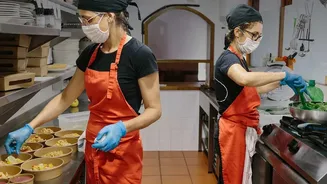
oils—have become significantly more expensive. This isn't a simple blip; it's a sustained trend driven by erratic weather, supply chain disruptions, and broader economic inflation. On the other side, operational costs have also surged. Commercial LPG prices have been volatile, directly impacting kitchen expenses. Add to that rising rents in prime urban locations, increased labour costs, and new expenses like the merchant discount rate (MDR) on certain UPI payments, and you have a recipe for squeezed margins. This combination of higher input and running costs creates a daily challenge for restaurateurs trying to balance their books.
The Art of Menu Engineering
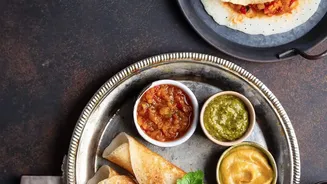
Instead of simply hiking all prices, many restaurants are turning to a practice called 'menu engineering'. This is the science of strategically designing a menu to guide customers towards more profitable items without compromising their experience. A typical Indian restaurant menu might have dozens of items, but data often shows that a small fraction—the 'Stars'—generate most of the profit. Menu engineering involves identifying these high-margin, high-popularity dishes and giving them prime real estate on the menu, often within the 'Golden Triangle' where a diner's eyes land first. Other tactics include rewriting dish descriptions to be more appealing, creating profitable combo meals, and strategically adjusting portion sizes on low-margin but popular dishes—a technique sometimes called 'shrinkflation'—to avoid a direct price hike. For delivery platforms like Zomato, some restaurants are simplifying their menus to focus only on their most profitable and popular items, which also improves kitchen efficiency during peak hours.
Sourcing Smarter and Going Local
To combat the volatility of ingredient prices, restaurant owners are rethinking their supply chains. Many are trying to bypass intermediaries and source ingredients directly from farmers or local producers. This not only provides more cost stability but can also ensure fresher, higher-quality produce. Aligning menus with seasonal availability is another key strategy. Using ingredients when they are in season means they are not only cheaper and more abundant but also at their peak flavour. This approach reduces reliance on expensive, out-of-season produce that needs to be transported over long distances. While some had previously relied on imported ingredients, the focus is shifting to controlling costs by championing local and seasonal options, turning a financial necessity into a culinary philosophy that celebrates regional bounty.
Technology as a Cost-Cutter
Technology is no longer just a convenience; it's a critical tool for survival. QR code menus, which became widespread during the pandemic, are now a permanent cost-saving feature for many establishments, eliminating printing costs and allowing for instant price updates. Digital ordering systems streamline the process from table to kitchen, reducing the need for a large front-of-house staff and minimizing order errors. Behind the scenes, inventory management software helps chefs and managers track ingredient usage with precision, reducing food waste—a major drain on profits. By investing in technology, restaurants can improve operational efficiency, which helps to offset other rising costs and protect their slender profit margins. These tools are increasingly seen not as an expense, but as essential infrastructure for running a modern, profitable food business.
The Delicate Customer Conversation
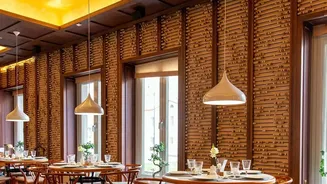
Ultimately, restaurants walk a tightrope. They must manage costs to remain viable, but they cannot afford to alienate their customers, especially in a price-sensitive market. While some owners are transparent about the need for price increases, others are absorbing some of the costs to maintain footfall, particularly ahead of busy festive seasons. Many restaurateurs believe that customers are paying for an overall experience, which includes investments in hygiene, service, and ambiance, not just the food itself. However, there's a limit to how much cost can be passed on before customers push back. The challenge is to find a sustainable balance, communicating value while making the necessary adjustments to keep the lights on and the kitchen running for the long term.